

Introduction
Building a stylish wardrobe is about more than buying fashionable clothes. It involves choosing garments that reflect your personality, suit your lifestyle, and help you feel confident in different situations. Whether you are preparing for work, attending a family gathering, going out with friends, or enjoying a relaxed weekend, having the right clothing makes getting dressed easier.
Many women own plenty of clothes but still struggle to decide what to wear. This often happens when individual items do not coordinate with one another or when a wardrobe contains too many pieces designed for only one occasion. A thoughtfully planned wardrobe solves this problem by focusing on versatile clothing, suitable colors, comfortable fits, and practical accessories.
The good news is that you do not need an expensive wardrobe to look stylish. With careful planning, you can create multiple outfits using a relatively small collection of well-chosen garments.
In this guide, you will learn how to build a stylish wardrobe for every occasion, select essential clothing pieces, coordinate outfits, and make smarter fashion decisions without overspending.
1. Understand Your Lifestyle and Fashion Needs
Before purchasing new clothing, consider how you spend most of your time. Your wardrobe should support your everyday activities rather than simply reflect what is popular in fashion magazines or on social media.
For example, a woman who works in an office may need tailored trousers, professional shirts, blazers, and comfortable formal shoes. Someone who works from home may prefer casual tops, relaxed trousers, and versatile layers. Women who regularly attend social gatherings may benefit from having a few elegant dresses or coordinated outfits.
Make a list of the occasions for which you usually dress. These might include:
- Everyday activities and shopping.
- Work, business meetings, or professional events.
- Family gatherings and celebrations.
- Weddings and formal occasions.
- Travel and outdoor activities.
- Casual dinners and social outings.
Think about the clothing you already own and identify what is missing. This prevents unnecessary purchases and helps you prioritize the items that will be most useful.
A wardrobe designed around your lifestyle is more practical than one filled with clothes you rarely wear.
2. Start With Essential Wardrobe Pieces
A stylish wardrobe begins with versatile essentials. These garments provide a foundation for different outfits and can be combined with trendier or more distinctive pieces when needed.
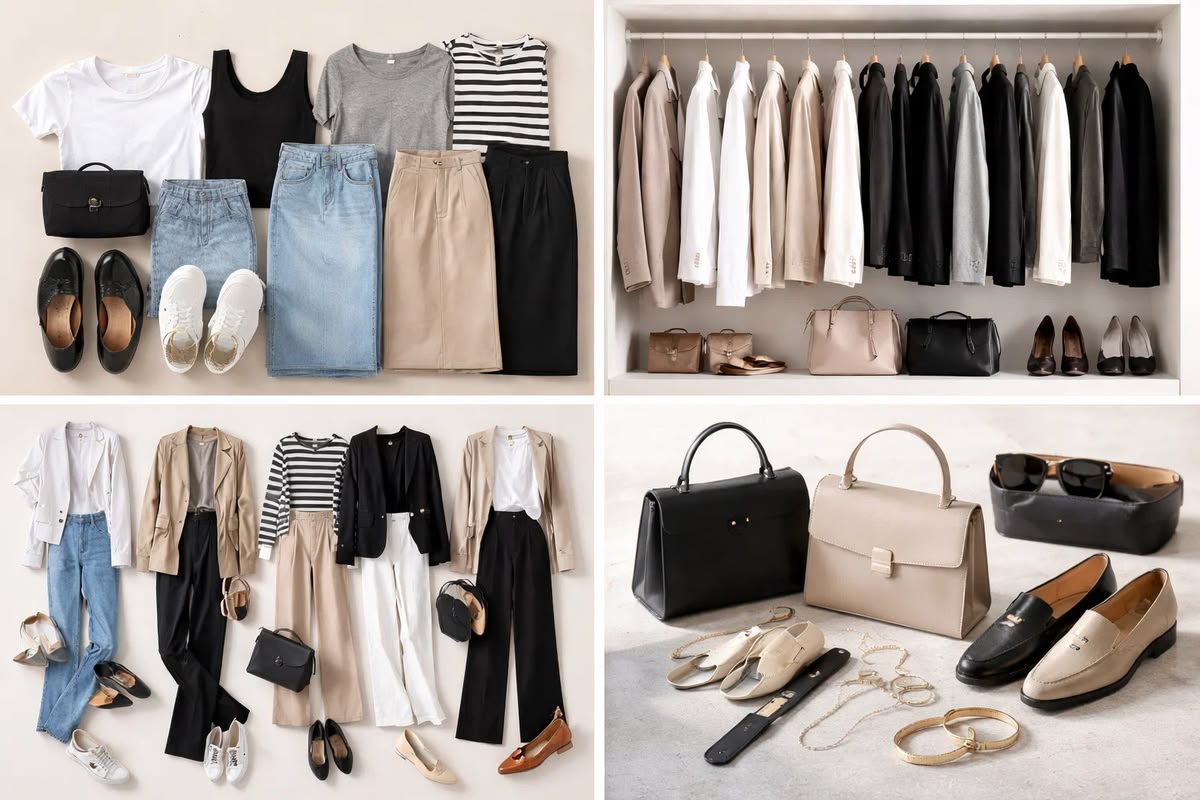
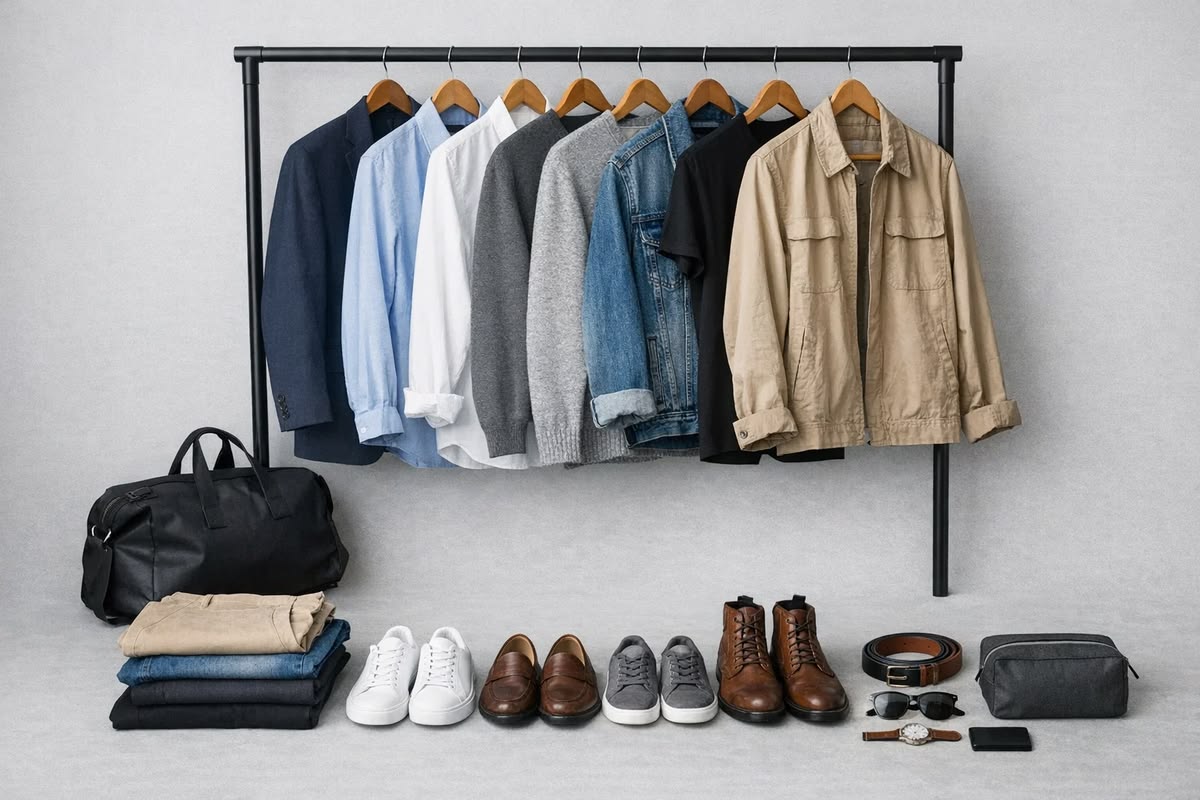
Consider including the following items, depending on your lifestyle and climate:
Basic tops: Plain T-shirts, neutral blouses, and simple shirts are easy to combine with jeans, skirts, and tailored trousers.
Well-fitting jeans: A comfortable pair of straight-leg or other preferred-fit jeans can work for casual outings and some smart-casual occasions.
Tailored trousers: Black, navy, gray, or beige trousers can be suitable for professional settings and more polished everyday outfits.
A versatile jacket: A blazer, cardigan, or lightweight jacket can add structure and make simple clothing look more refined.
A suitable dress: A simple dress can be styled differently depending on the occasion, footwear, and accessories.
Comfortable footwear: Sneakers, flats, loafers, or other practical shoes help cover everyday needs, while formal shoes may be useful for special occasions.
A practical bag: Choose a handbag, backpack, or crossbody bag that suits your daily routine.
You do not need to buy everything immediately. Begin with the items that fill the biggest gaps in your wardrobe and gradually add pieces that complement them.
3. Choose a Coordinated Color Palette
Color coordination is one of the easiest ways to make a wardrobe more versatile. When your clothing colors work well together, you can create more outfits without purchasing additional garments.
Start by choosing a few colors you enjoy wearing. Neutral shades such as black, white, navy, gray, cream, and beige are useful because they often coordinate easily.
You can then introduce accent colors such as olive green, burgundy, blue, pink, or other shades that suit your personal preferences.
For example, a white blouse may work with blue jeans, black trousers, or a beige skirt. A navy blazer may complement several tops and bottoms in your wardrobe.
You do not need to limit yourself to neutral colors. If you love bright clothing, use a consistent approach to combining shades so that your outfits remain coordinated.
Patterns can also add variety. Stripes, subtle checks, and floral prints can work well when their colors complement the rest of your outfit.
When shopping, consider whether a new garment matches at least two or three items you already own. This simple habit helps prevent purchases that are difficult to style.
4. Create Outfits for Casual Occasions
Casual clothing should be comfortable, practical, and appropriate for your daily activities. However, casual does not have to mean careless or uncoordinated.
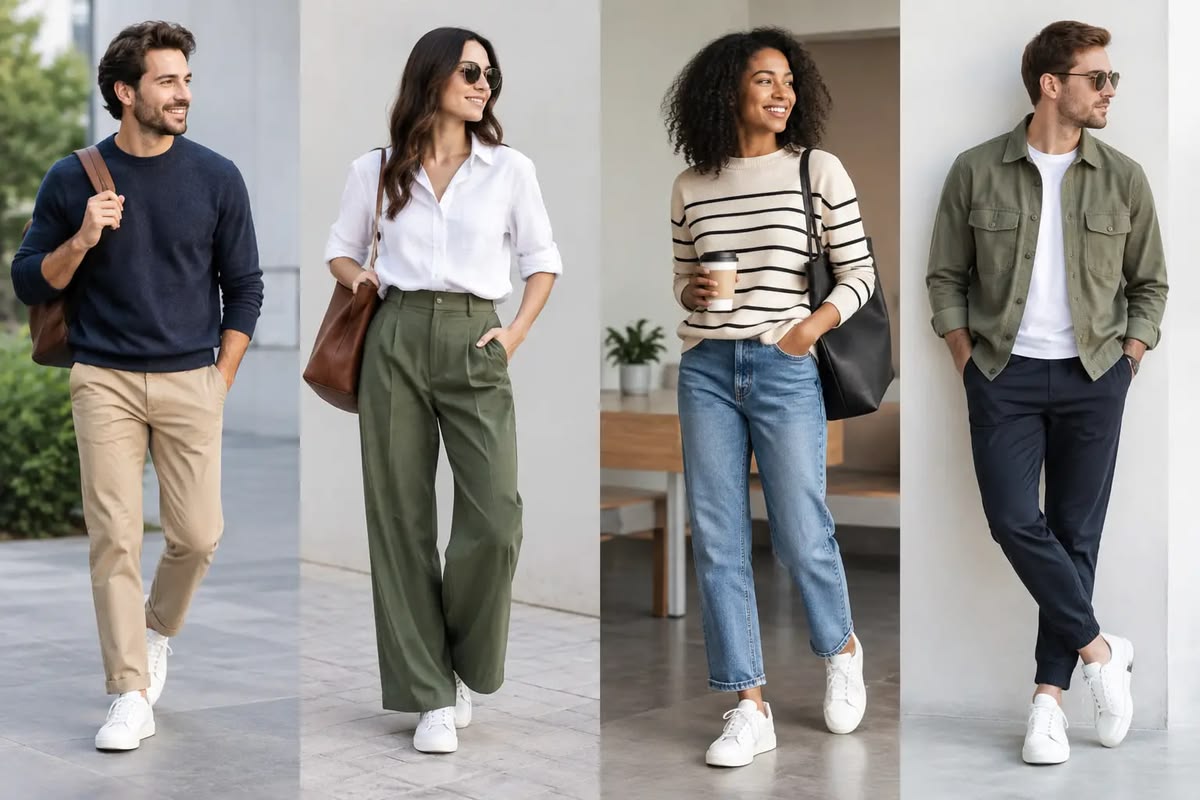
For everyday outings, a simple combination of jeans, a well-fitting T-shirt, and clean sneakers can create a polished appearance. You can make the outfit more distinctive with a belt, a watch, or a practical handbag.
Another option is pairing relaxed trousers with a simple blouse and comfortable flats. During cooler weather, add a cardigan or lightweight jacket.
For weekend activities, choose clothing that allows you to move comfortably. Breathable fabrics and appropriate footwear are especially useful when walking or spending long periods outside.
To make casual outfits more stylish, pay attention to fit and cleanliness. Clothes that fit comfortably and are well maintained can look attractive without being expensive.
You can also prepare a few reliable outfit combinations in advance. This reduces the time spent deciding what to wear when you have a busy morning.
5. Build a Professional and Workwear Wardrobe
Professional clothing should reflect the expectations of your workplace while allowing you to feel comfortable throughout the day.
Depending on your work environment, suitable options may include tailored trousers, blouses, button-down shirts, modest dresses, skirts, blazers, and smart-casual footwear.
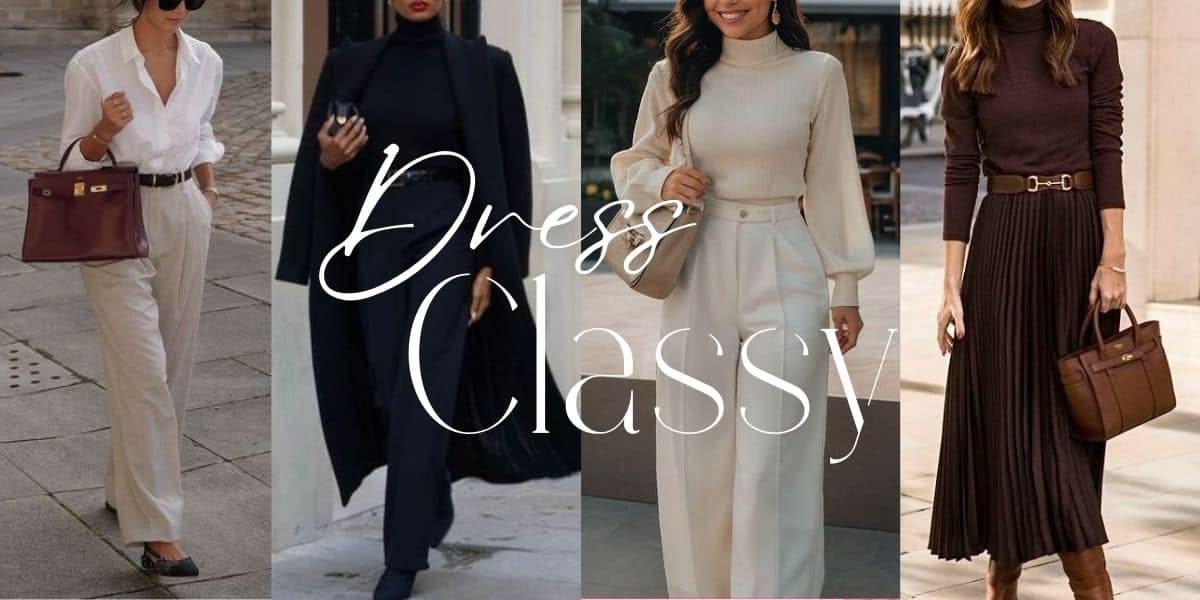
For a simple office outfit, pair tailored trousers with a neutral blouse and a structured jacket. A dress with understated accessories may also work well in many professional settings.
If your workplace has a relaxed dress code, dark jeans, a polished top, and clean shoes may be appropriate. Always consider your employer’s expectations and the nature of your work.
Comfort is important when selecting workwear. Choose fabrics that suit the weather and allow you to sit, stand, and move comfortably.
It is also useful to create several combinations using the same core garments. For example, one blazer can be worn with different trousers, skirts, or dresses.
A small collection of coordinated workwear can make daily dressing easier and help you maintain a consistent professional appearance.
6. Prepare for Formal Events and Special Occasions
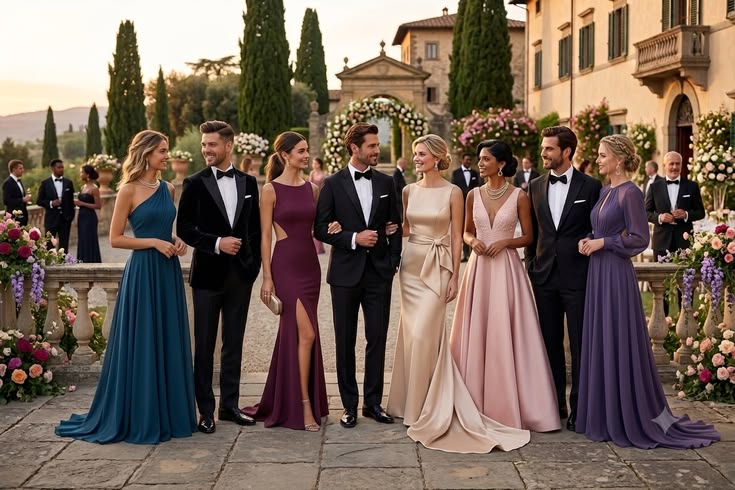
Formal occasions often require a more refined approach to clothing. Weddings, evening events, formal dinners, and celebrations may have specific dress expectations.
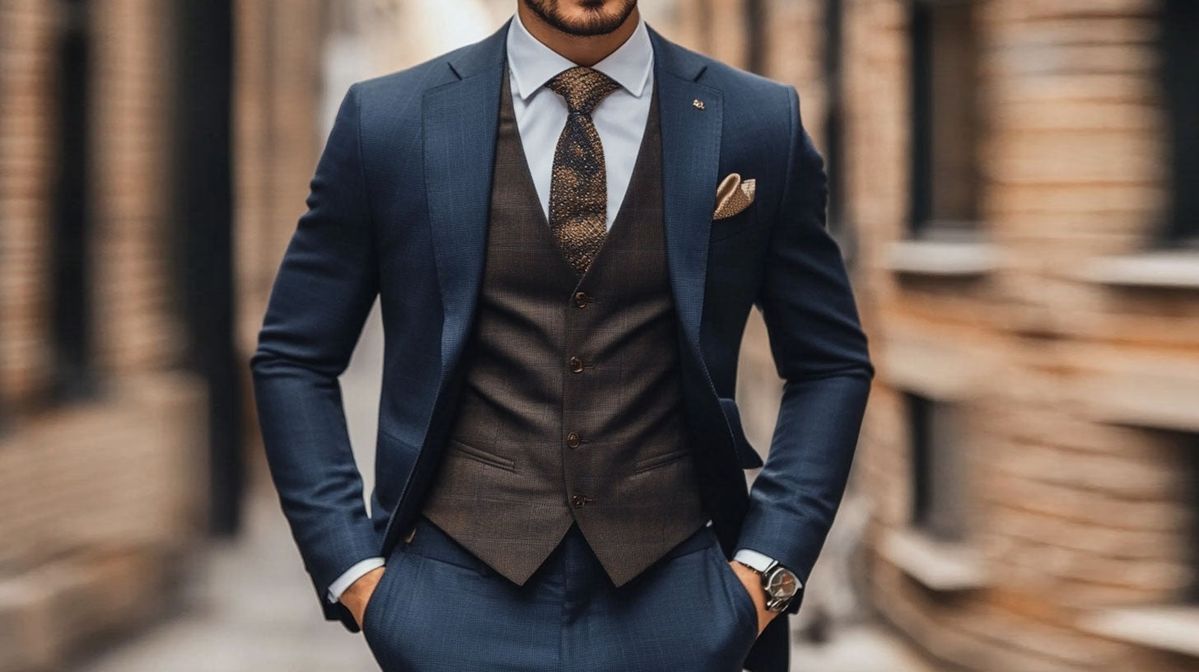
Depending on the event, you might choose an elegant dress, a coordinated suit, a formal skirt and blouse, or a traditional outfit appropriate to the occasion.
Before selecting your clothing, consider the event’s dress code, location, weather, and expected level of formality.
For example, an evening celebration may call for richer fabrics and more decorative accessories, while a daytime event may be better suited to lighter colors and simpler designs.
Accessories can help complete a formal outfit. Elegant footwear, a suitable handbag, and carefully selected jewelry can make a significant difference.
However, avoid purchasing an expensive outfit for every event. Consider whether you can restyle a dress you already own with different accessories or combine existing garments into a new look.
If an occasion requires a specific outfit that you will rarely wear, renting or borrowing clothing may be practical alternatives.
Planning ahead helps you feel prepared without unnecessary spending.
7. Dress Elegantly for Family Gatherings and Social Events
Family gatherings and social occasions often call for clothing that balances comfort with a polished appearance.
A simple dress, a coordinated blouse and trousers, or a well-styled traditional outfit can be appropriate depending on the setting.
Choose clothing that allows you to participate comfortably in the event. If you expect to spend several hours sitting, walking, or helping with activities, consider the garment’s fit and fabric.
You can create a more refined appearance with small details, such as neatly styled hair, clean shoes, a coordinated bag, or understated jewelry.
For occasions with specific cultural or religious expectations, choose clothing that respects the setting and aligns with your personal preferences.
The goal is not to wear the most expensive outfit in the room. It is to select clothing that suits the occasion and makes you feel comfortable and confident.
Having one or two versatile outfits ready for common social events can also reduce last-minute stress.
8. Select the Right Shoes and Accessories
Shoes and accessories influence how an outfit looks and feels. They can make the same clothing appear casual, professional, or formal depending on the combination.
A practical wardrobe may include comfortable everyday sneakers, flats or loafers, and one suitable pair of formal shoes. Your exact choices should depend on your lifestyle and the occasions you regularly attend.
For accessories, consider a versatile handbag, a belt, a watch, and a small selection of jewelry or scarves.
You do not need to use every accessory with every outfit. Often, one or two carefully selected pieces are enough to create a coordinated appearance.
For example, a plain blouse and trousers can look professional with a structured bag and simple jewelry. The same outfit may feel more relaxed when paired with sneakers and a casual bag.
Choose accessories that complement your clothing colors and suit your everyday needs.
Comfort should remain a priority, especially for footwear. Shoes that look attractive but cause discomfort may not be practical for long events or busy days.
9. Use Layering to Create More Outfit Options
Layering allows you to combine garments in different ways while adapting to changes in weather.
Useful layering pieces include cardigans, lightweight jackets, blazers, overshirts, scarves, and coats.
A simple shirt and jeans combination can look different when worn with a blazer rather than a cardigan. Similarly, a dress can be styled with a jacket or an additional layer when temperatures drop.
When layering, consider the proportions and weight of each garment. Lightweight items generally work well beneath heavier outerwear, while compatible lengths help the outfit look balanced.
Color coordination also matters. You can keep the outfit simple with neutral layers or introduce one accent color for additional interest.
Layering is particularly useful when travelling or moving between indoor and outdoor environments.
It also helps you get more use from clothing you already own, making your wardrobe more adaptable without requiring frequent shopping.
10. Shop With a Budget and a Plan
Building a stylish wardrobe does not require spending a large amount of money. A clear shopping plan helps you prioritize useful clothing and avoid impulse purchases.
Begin by reviewing your existing wardrobe. Identify items that need replacing, garments that no longer fit comfortably, and pieces that would help you create more outfit combinations.
Create a shopping list based on these needs and set a realistic budget.
Before buying something, ask yourself:
- Does this item suit my lifestyle?
- Can I combine it with clothes I already own?
- Is it comfortable and appropriate for the intended occasion?
- Will I wear it regularly?
- Is the price reasonable for its expected use?
Consider secondhand shopping, sales, clothing exchanges, or repairing existing garments when appropriate.
Remember that a lower price does not always mean better value, and a higher price does not guarantee quality. Examine fit, construction, fabric, and care requirements before making a purchase.
Shopping gradually allows you to build a wardrobe that meets your needs without creating unnecessary financial pressure.
11. Maintain and Organize Your Wardrobe
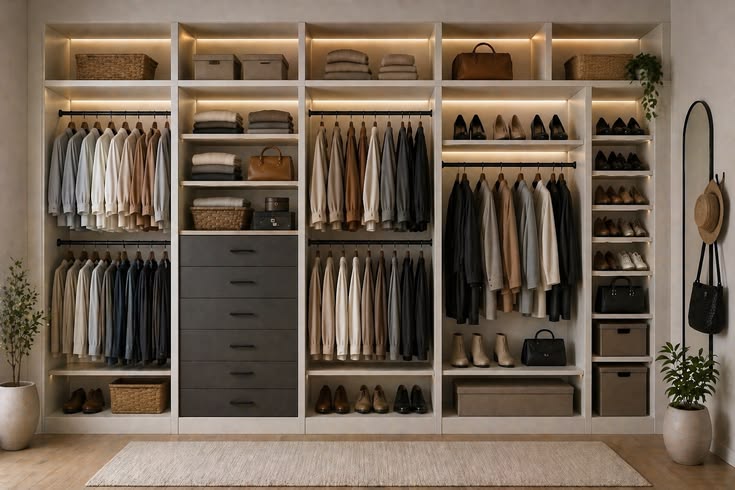
A well-organized wardrobe makes it easier to see what you own and identify useful outfit combinations.
Arrange clothing in a way that suits your routine. You might group items by type, such as shirts, trousers, dresses, and outerwear, or organize them by occasion.
Keep frequently worn garments easy to reach. Store seasonal clothing appropriately and avoid overcrowding your wardrobe, which can make items difficult to find and may contribute to wrinkles.
Regularly inspect your clothes for missing buttons, loose stitching, stains, and other minor problems. Repairing small issues can help extend the life of useful garments.
Follow care instructions when washing and drying clothing. Different fabrics may require different treatment to maintain their appearance.
You can also prepare outfits for the week ahead. This is particularly helpful if you have a busy schedule or need to follow a specific work dress code.
An organized wardrobe saves time and helps you make better use of the clothing you already own.
12. Develop Your Own Signature Style
A stylish wardrobe should reflect your personality rather than simply copy the latest fashion trends.
Some women prefer classic and understated clothing, while others enjoy colorful outfits, distinctive accessories, or contemporary silhouettes. You can combine different influences to create a style that feels authentic.
Pay attention to the outfits you enjoy wearing most. Identify the colors, shapes, fabrics, and accessories that make you feel confident.
You can then use these preferences to guide future shopping decisions.
Experimenting with fashion is perfectly fine, but you do not need to adopt every trend. Try new ideas gradually and keep the pieces that suit your lifestyle.
Your personal style may change over time as your needs and preferences evolve. A flexible wardrobe makes it easier to adapt without replacing everything you own.
Confidence, comfort, and thoughtful coordination are more important than following a rigid set of fashion rules.
Conclusion
Building a stylish wardrobe for every occasion becomes much easier when you focus on versatility, comfort, and thoughtful planning.
Start by understanding your lifestyle and selecting essential garments that can be combined in multiple ways. Create a coordinated color palette, prepare outfits for casual and professional settings, and keep suitable options for formal events and social gatherings.
Shoes, accessories, and layering can help you transform basic clothing into different looks without purchasing an entirely new wardrobe.
Most importantly, shop according to your needs and budget. Choose garments that fit comfortably, complement your existing clothing, and reflect your personal style.
A stylish wardrobe is not defined by how many clothes you own or how much money you spend. It is defined by how effectively your clothing supports your lifestyle and helps you feel confident in every situation.
With a little organization and careful decision-making, you can create a practical, elegant wardrobe that works for everyday activities, professional responsibilities, and special occasions alike.


Leave a Reply