
Introduction
Choosing the right clothes is an important part of developing a personal style that feels comfortable, confident, and attractive. While fashion trends change frequently, understanding how clothing fits your body can help you create outfits that work for your proportions and lifestyle.
Every man has a different body shape, height, and set of personal preferences. Some men have broad shoulders, while others have narrower frames. Some prefer fitted clothing, while others feel more comfortable in relaxed silhouettes. There is no single body type that determines whether someone can dress stylishly.
The key is learning how different cuts, fabrics, colors, and clothing combinations affect the overall appearance of an outfit. With a few practical guidelines, you can find garments that fit comfortably and reflect your personal taste.
You do not need an expensive wardrobe or a particular physique to look well dressed. Understanding fit, balancing proportions, and choosing appropriate clothing for different occasions can make a significant difference.
In this guide, we will explore how men can choose clothes for different body types, select suitable styles, avoid common fit problems, and build a versatile wardrobe that supports their individual preferences.
1. Understand Your Body Shape
Before choosing clothes, take some time to understand your general proportions.
Men’s bodies vary considerably, and common descriptions of body shapes can provide a starting point for exploring different styles. However, these categories are not strict rules, and many people do not fit neatly into a single group.
Some commonly discussed male body shapes include:
- Rectangle: The shoulders, waist, and hips have relatively similar widths.
- Triangle: The waist or hips appear wider than the shoulders.
- Inverted triangle: The shoulders and chest appear broader than the waist.
- Oval: The midsection appears fuller in relation to other areas.
- Trapezoid: The shoulders are somewhat broader than the waist, creating a moderately tapered silhouette.
These labels are simply descriptive tools. They do not determine your attractiveness or limit the clothes you can wear.
To understand your proportions, look at how your shirts, jackets, and trousers fit when you stand naturally. Notice whether garments feel tight in certain areas, appear excessively loose, or require frequent adjustment.
Your height and preferred silhouette also matter. Two men with similar shoulder measurements may prefer completely different clothing styles.
Instead of focusing too much on labels, identify the cuts and proportions that make you feel comfortable and confident.
2. Prioritize the Right Fit
Fit is one of the most important factors in men’s fashion. Clothes that fit comfortably can create a polished appearance regardless of their price.
A well-fitting garment should allow you to move naturally without pulling, sagging, or restricting your activities.
When choosing shirts, check the shoulder seams, chest area, sleeves, and overall length. The seams should generally align with your natural shoulders, unless the garment is intentionally designed with a dropped shoulder.
For trousers, pay attention to the waistband, seat, thigh area, and length. They should sit comfortably without excessive tightness or fabric gathering.
Jackets require particular attention because their shoulders and overall structure strongly influence how they look. Make sure the jacket allows comfortable movement and does not pull awkwardly when buttoned.
Remember that a good fit does not always mean slim-fitting clothing. Straight, regular, relaxed, and oversized styles can all work well when chosen intentionally.
If an item is comfortable and almost fits correctly, simple tailoring may help improve its appearance. However, consider alteration costs before investing in a garment that requires extensive changes.
The most important rule is to choose clothing that works with your body rather than forcing yourself into a particular size or trend.
3. Clothing Tips for Men With a Rectangle Body Shape
Men with a rectangle body shape generally have shoulders, waists, and hips that appear relatively similar in width.
If this describes your proportions, you may enjoy experimenting with layers, different garment structures, and combinations that add visual variety.
Structured jackets, overshirts, and appropriately fitted blazers can introduce definition to an outfit. You can also experiment with textured knitwear, patterned shirts, or contrasting layers.
For example, a plain T-shirt paired with straight-leg jeans and a casual jacket can create a balanced everyday look.
A button-up shirt worn with chinos and a blazer may be suitable for smart-casual occasions.
You can also use color strategically. A contrasting jacket over a simple shirt creates visual separation between different parts of the outfit.
However, you do not need to make your shoulders appear wider or your waist appear narrower. These are optional styling approaches rather than requirements.
Choose cuts that suit your preferences and avoid garments that are excessively tight simply to create a particular silhouette.
If you prefer minimalist clothing, plain T-shirts, straight trousers, and simple jackets can look excellent without additional styling techniques.
4. Clothing Tips for Men With an Inverted Triangle Body Shape
Men with an inverted triangle shape generally have shoulders and chests that appear broader than their waists.
If you have this build, the main consideration is ensuring that clothing fits comfortably across the upper body without becoming excessively loose elsewhere.
When choosing shirts, check the shoulders, chest, and sleeves. A garment that fits your shoulders but pulls across the chest may require a different cut or size.
Straight-leg trousers, regular-fit chinos, and relaxed denim can create a comfortable balance with a broader upper body.
You may also enjoy simple T-shirts, casual button-up shirts, and lightweight jackets that fit properly without adding unnecessary bulk.
For example, a well-fitting polo shirt paired with straight-leg chinos can create a practical everyday outfit.
Avoid assuming that you must wear extremely tight trousers to emphasize your proportions. Comfortable clothing that creates a balanced overall silhouette is usually more versatile.
Layering can also work well, but consider the thickness of the garments. Heavy shoulder padding or very bulky upper layers may feel unnecessary if you already prefer a broader silhouette.
Ultimately, choose clothing that accommodates your shoulders comfortably and allows you to move freely.
5. Clothing Tips for Men With a Triangle Body Shape
Men with a triangle body shape generally have a waist or hip area that appears wider than their shoulders.
If this describes your proportions, you may find it helpful to focus on comfortable trousers and shirts that fit well through the waist, shoulders, and chest.
Structured jackets and blazers can provide definition to the upper body when that is the look you prefer. Shirts with an appropriate shoulder fit can also help create a coordinated silhouette.
For everyday clothing, consider a well-fitting shirt with straight-leg jeans or chinos.
For professional settings, a properly fitted blazer and suitable trousers can create a polished appearance.
Avoid wearing trousers that are so tight that they restrict movement. Similarly, extremely oversized shirts may create excess fabric rather than the appearance you want.
The best fit depends on your individual proportions, so try different cuts instead of relying only on standard size labels.
Color coordination can also influence the appearance of an outfit. You might choose a slightly lighter top with darker trousers, or wear similar shades for a more continuous look.
Neither approach is universally better. Select the combination you enjoy wearing.
6. Clothing Tips for Men With an Oval Body Shape
Men with an oval body shape generally carry more fullness around the midsection.
Comfort, fabric choice, and appropriate garment construction are particularly useful considerations when choosing clothing.
Look for shirts that sit comfortably around the waist without pulling or creating excessive tension around buttons.
Straight-leg trousers can provide a comfortable fit through the legs. Choose a waistband that stays in place without digging into your body.
Structured jackets can be useful when you want a more polished appearance, provided they fit comfortably across the shoulders and close appropriately.
For everyday wear, a simple shirt paired with well-fitting trousers can create a neat outfit. Layering with an open overshirt or suitable jacket may add variety when the weather permits.
Some men prefer darker colors or uninterrupted color combinations, while others enjoy brighter shades and patterns. Both can work well.
Avoid buying clothing that is too small in the hope that it will create a slimmer appearance. Tight garments often feel uncomfortable and may pull in ways that make the fit less polished.
Equally, excessively large clothing may introduce unnecessary bulk.
The goal is to find clothing that fits your actual measurements and supports comfortable movement.
7. Clothing Tips for Men With a Trapezoid Body Shape
Men with a trapezoid body shape generally have shoulders that are moderately broader than their waists.
This proportion can work with a wide range of clothing styles, including casual, smart-casual, and formal outfits.
The main priority remains fit. Choose shirts that sit properly across the shoulders, trousers that fit comfortably at the waist, and jackets that allow natural movement.
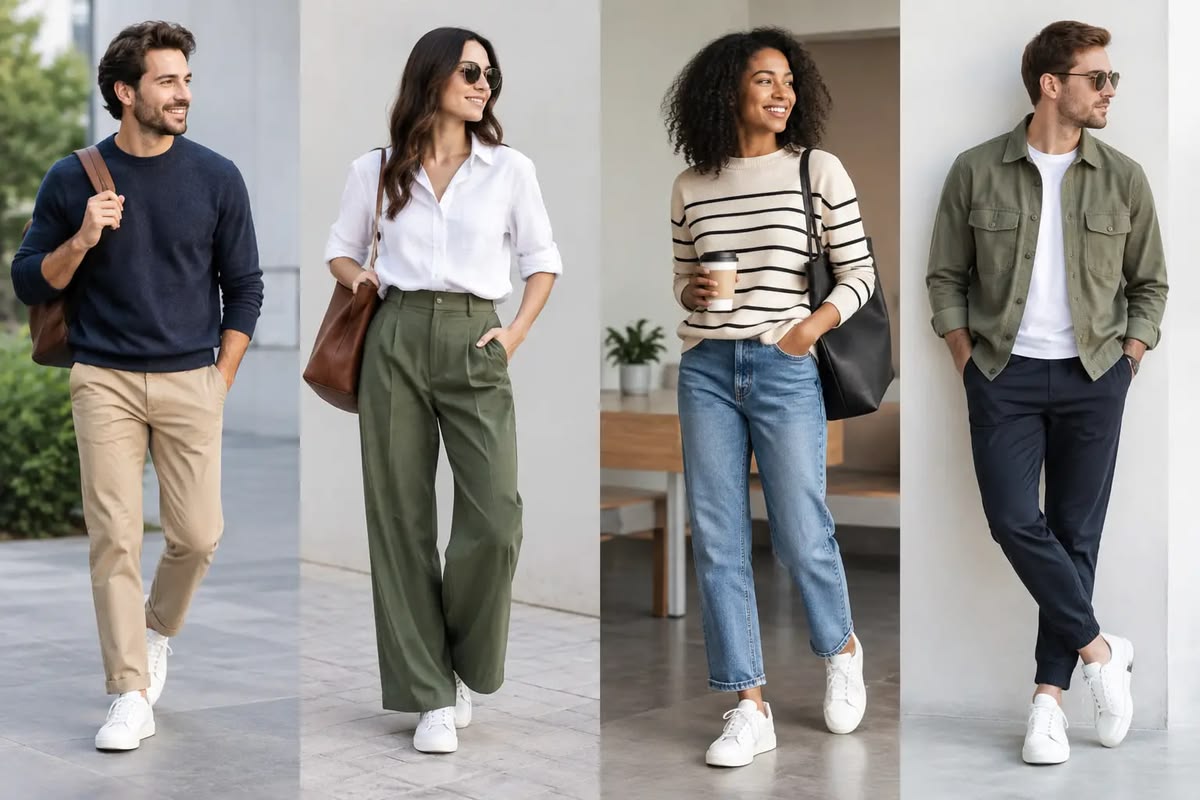
For casual outfits, try a plain T-shirt with straight-leg jeans and sneakers.
For a smart-casual combination, consider a button-up shirt with chinos and loafers.
For professional settings, a properly fitted suit or blazer with coordinating trousers can create a refined appearance.
You can experiment with different silhouettes according to your preferences. Slim, straight, and relaxed cuts may all work, provided the garments are proportioned appropriately.
Do not assume that one body shape requires a particular fashion style. Your personal taste, climate, daily activities, and comfort preferences should influence your choices.
A versatile wardrobe built around compatible colors and practical essentials can make dressing easier regardless of your proportions.
8. Choose T-Shirts That Complement Your Build
T-shirts are among the most frequently worn items in a man’s wardrobe, making it important to select cuts that fit comfortably.
Start by checking the shoulders and chest. The shirt should not pull excessively across the body, and the sleeves should feel comfortable around your upper arms.
The length should also suit your proportions. A T-shirt that is too long may make the outfit look unbalanced, while one that is too short may ride up when you move.
Different cuts create different appearances.
Regular-fit T-shirts provide a versatile option for many body types.
Slim-fit T-shirts offer a closer silhouette, provided they are not restrictive.
Relaxed-fit T-shirts allow more room and can create a casual, contemporary appearance.
Oversized T-shirts can work well when their proportions are intentional and coordinate with the rest of the outfit.
Neutral colors such as white, black, gray, and navy are useful starting points because they pair with many trousers and jackets.
You can also choose stripes, graphics, or brighter colors if they reflect your personal style.
Try different cuts before deciding which style you prefer. The most flattering option is one that fits comfortably and makes you feel confident.
9. Find Trousers That Fit Your Proportions
Trousers influence the overall balance of an outfit and should be selected with both comfort and appearance in mind.
When shopping, pay attention to the waist, rise, thigh width, leg shape, and length.
The rise refers to the distance between the crotch seam and the waistband. Different rises can change how trousers sit on your body and feel during movement.
Straight-leg trousers provide a versatile option because they offer a relatively consistent width through the legs.
Slim-fit trousers create a closer silhouette, while relaxed-fit trousers provide additional room.
Tapered trousers gradually narrow toward the ankle and may work well for men who prefer a more defined leg shape.
No single cut is appropriate for every man. Your height, proportions, footwear, and preferences should guide your decision.
Jeans and chinos are useful everyday choices, while tailored trousers may be necessary for formal or professional occasions.
Avoid choosing trousers solely because a particular fit is fashionable. Make sure they feel comfortable when sitting, walking, and standing.
If the waistband fits well but the length is unsuitable, an alteration may help.
Well-fitting trousers can improve the appearance of an outfit without requiring expensive brands or complicated styling.
10. Use Colors and Patterns Thoughtfully
Colors and patterns can influence how an outfit looks, but they should not be treated as strict rules for particular body types.
Neutral colors such as navy, gray, black, white, and beige are versatile and easy to combine.
If you enjoy a coordinated appearance, you can build outfits around two or three complementary colors.
For example, a navy shirt with beige chinos provides a clear contrast. A gray sweater with black trousers creates a simple, understated combination.
Patterns can also add personality. Stripes, checks, and subtle prints may work well with plain trousers or jackets.
When combining patterns, consider their size and visual intensity. A bold patterned shirt may work best with simpler trousers, while a subtle striped shirt can be paired with other understated pieces.
Some men prefer monochromatic outfits, in which different shades of the same color create a continuous appearance. Others prefer contrasting combinations.
Both approaches can work across different body shapes.
Choose colors you enjoy wearing and that suit the occasions for which you need the clothing.
Your personal style matters more than following rigid rules about which colors or patterns men with a particular body type should wear.
11. Choose the Right Jacket and Blazer
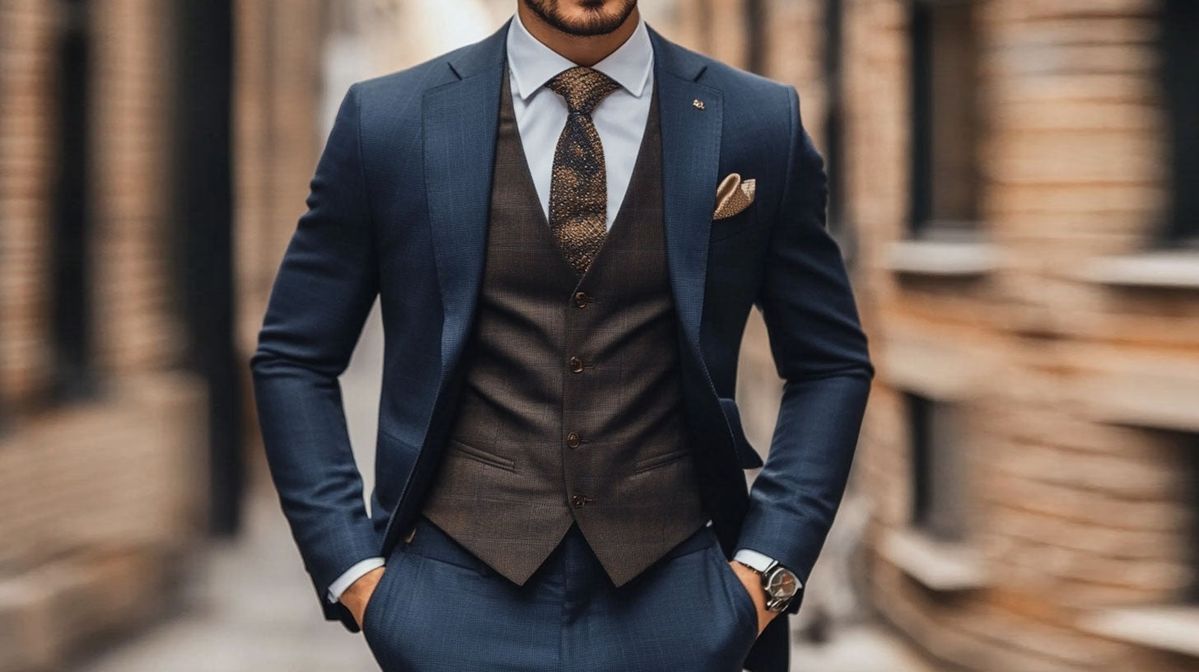
Jackets and blazers can make a significant difference to an outfit because their structure influences the overall silhouette.
When choosing a jacket, start with the shoulders. The seams should generally align with your natural shoulders unless the design intentionally uses a different construction.
Check that the jacket closes comfortably and does not pull excessively across the chest or waist.
The sleeve length and overall body length should also suit your proportions and the garment’s intended style.
A casual denim jacket or bomber can work well with jeans and T-shirts. A structured blazer may be more appropriate for smart-casual occasions or professional settings.
If you prefer relaxed clothing, an overshirt or unstructured jacket may provide a comfortable alternative to a formal blazer.
Consider the thickness of the garment and how you plan to layer it. A jacket should leave enough room for the clothing underneath without becoming unnecessarily bulky.
Choose colors that work with your existing wardrobe. Navy, gray, olive, and neutral shades can be particularly versatile.
A suitable jacket can help you create numerous outfits while providing practical protection against changing weather.
12. Dress According to Your Height
Height is another factor that may influence clothing proportions.
Men of different heights can wear a wide variety of styles, but certain fit adjustments may help clothing look more balanced.
If you are shorter, you may prefer garments that fit appropriately in length and avoid excessive fabric gathering. Trousers that are too long or shirts that extend far below the hips may create proportions you do not enjoy.
If you are taller, pay attention to sleeve length, shirt length, and trouser measurements. Some standard sizes may not provide sufficient length, depending on the brand.
Men of average height may also need alterations because sizing varies across manufacturers.
Vertical stripes, monochromatic outfits, and other styling techniques can change the visual impression of an outfit, but they are optional rather than necessary.
There is no requirement to make yourself look taller or shorter.
The most important consideration is that your clothing fits comfortably and creates the appearance you prefer.
Whenever possible, check garment measurements rather than relying entirely on labels such as small, medium, or large.
13. Avoid Common Clothing Mistakes
A few common mistakes can make it harder to find clothing that suits your body.
Choosing the wrong size: A garment that pulls, sags, or restricts movement may not create the appearance you want.
Following trends blindly: Popular cuts may not suit your preferences, comfort needs, or daily activities.
Ignoring trouser length: Excessively long or short trousers can affect the overall balance of an outfit.
Buying clothing without trying different fits: Two garments in the same labeled size can fit very differently.
Wearing uncomfortable fabrics: A stylish garment is less useful if it irritates your skin or feels unpleasant throughout the day.
Focusing too much on body labels: Body-shape categories are general descriptions, not strict rules about what you can wear.
Ignoring alterations: Sometimes a small adjustment can make an otherwise suitable garment much more useful.
Avoiding these mistakes helps you make more thoughtful purchases and build a wardrobe that works for your actual needs.
14. Build a Versatile Wardrobe for Your Body Type
Once you understand which fits and styles you prefer, you can build a wardrobe around those choices.
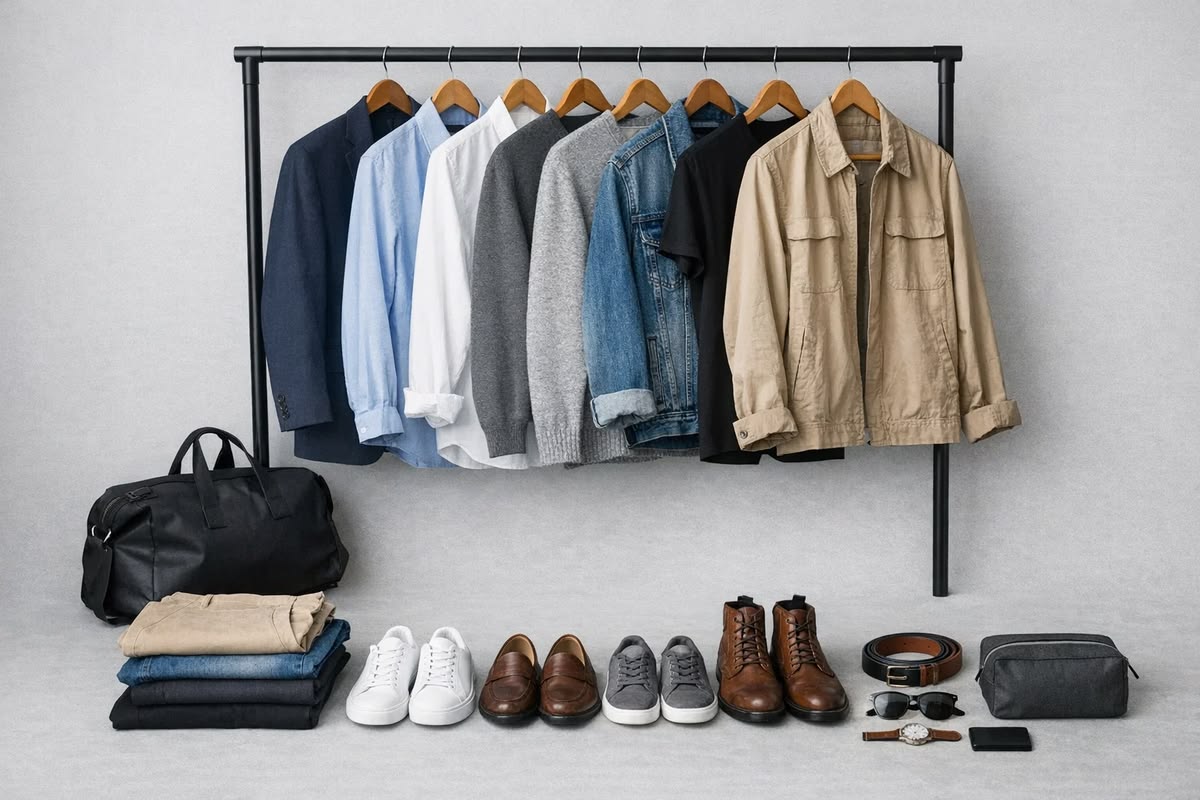
Start with versatile basics such as plain T-shirts, well-fitting jeans, chinos, casual shirts, and suitable footwear.
Add jackets, sweaters, and formal clothing according to your lifestyle.
For example, if you frequently attend professional meetings, invest in suitable shirts, trousers, and a blazer. If your routine is mainly casual, prioritize comfortable everyday garments.
Before purchasing a new item, consider whether it works with at least three garments you already own.
This simple approach helps prevent unnecessary spending and makes it easier to create coordinated outfits.
You can also photograph outfits that you like to remember useful combinations.
Review your wardrobe periodically and identify items that no longer fit comfortably or suit your lifestyle.
Do not feel that you must replace everything at once. Build your collection gradually and prioritize items that fill genuine gaps.
A versatile wardrobe should reflect your body, preferences, budget, and daily activities rather than follow a fixed list of requirements.
Conclusion
Choosing the right clothes for your body type begins with understanding your proportions, prioritizing comfortable fit, and experimenting with different silhouettes.
Although body-shape categories can provide general guidance, they should never limit your fashion choices. Men with different builds can wear casual, smart-casual, and formal clothing successfully when the garments fit well and suit the occasion.
Focus on shirts that fit properly, trousers that allow comfortable movement, and jackets that complement your preferred silhouette. Use colors and patterns according to your personal taste, and choose fabrics that suit your climate and lifestyle.
Most importantly, avoid purchasing clothes simply because they are fashionable or recommended for a particular body type. Try different cuts, pay attention to comfort, and build a wardrobe that reflects who you are.
You do not need expensive brands to look stylish. Thoughtful clothing choices, proper maintenance, and confidence can help you create outfits that look polished and feel comfortable every day.
The best style is one that allows you to express your personality while feeling confident in the clothes you wear.

Leave a Reply