

Introduction
Personal style is an important part of how a man presents himself to the world. The clothes you wear can influence your confidence, help you make a positive first impression, and allow you to express your personality. However, dressing well does not require an expensive wardrobe, designer brands, or following every fashion trend.
The secret to looking stylish is understanding a few basic principles: choosing clothes that fit properly, coordinating colors, investing in versatile essentials, and paying attention to small details. Even simple clothing can create an impressive appearance when the pieces work well together.
Whether you prefer casual outfits, professional clothing, or a combination of both, developing your personal style can make getting dressed easier and more enjoyable.
In this guide, we will explore essential style tips every man should know, from building a practical wardrobe to selecting the right shoes, accessories, and colors. These tips will help you look polished, feel comfortable, and develop a style that suits your lifestyle and budget.
1. Choose Clothes That Fit Properly
One of the most important rules of men’s fashion is choosing clothes that fit well. Even expensive clothing may look unattractive when it is too tight, too loose, or unsuitable for your proportions.
A good fit allows you to move comfortably while creating a balanced appearance.
When choosing shirts, check that the shoulder seams sit close to your natural shoulders. The shirt should not pull excessively across your chest, and the sleeves should be an appropriate length.
For trousers, look for a comfortable waistband and a length that works with your footwear. Extremely long trousers can gather around the ankles, while trousers that are too short may not suit every occasion.
The ideal fit depends partly on personal preference. Some men prefer slim silhouettes, while others enjoy straight or relaxed clothing. You do not have to wear tight clothing to look stylish.
Pay attention to proportion. If you wear relaxed trousers, a more structured top may create balance. If you choose an oversized shirt, consider how its length and shape work with the rest of your outfit.
If a garment fits well except for a minor detail, a tailor may be able to make a simple adjustment.
Remember that comfort is essential. Clothes should support your daily activities rather than restrict movement.
2. Build a Wardrobe Around Essential Pieces
A stylish wardrobe begins with versatile clothing that can be combined in different ways.
Instead of buying many items that work with only one outfit, focus on essentials that suit your lifestyle and complement each other.
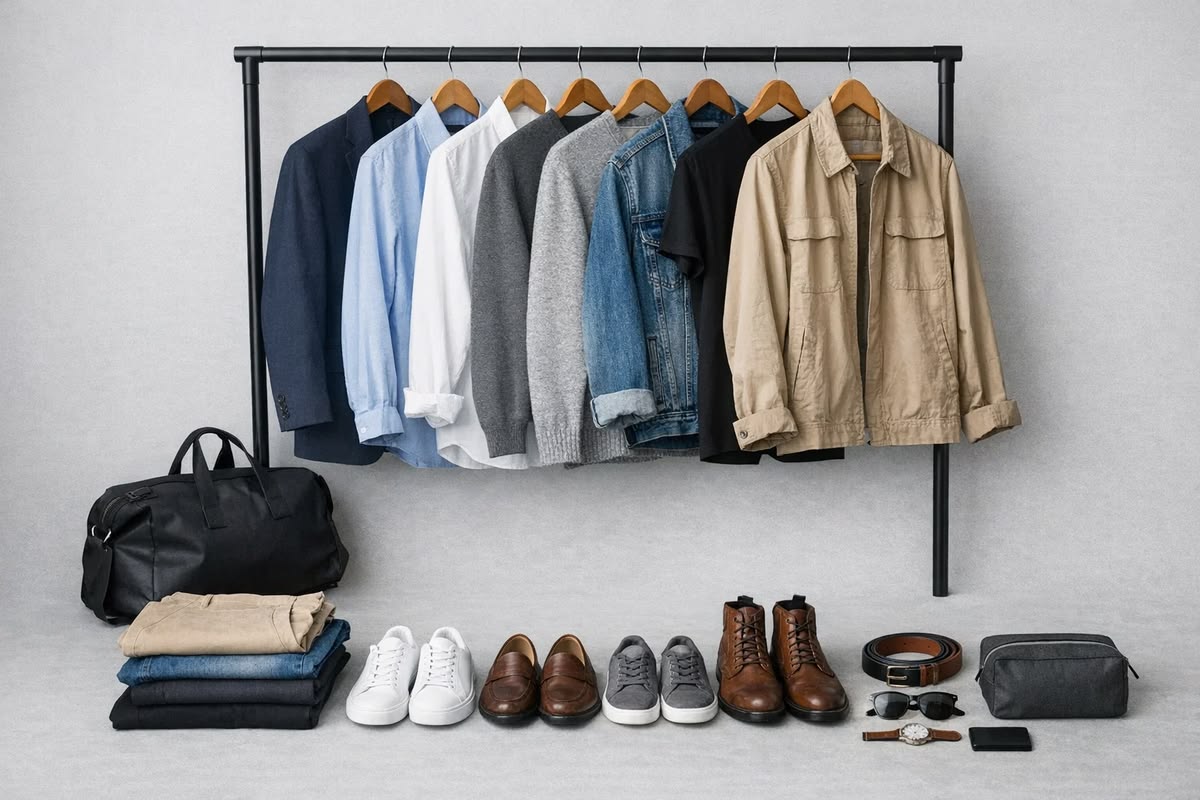
Useful wardrobe basics include:
- Plain T-shirts in neutral colors.
- A well-fitting white or light-colored shirt.
- Dark or medium-wash jeans.
- Neutral trousers or chinos.
- A versatile sweater or cardigan.
- A suitable jacket or blazer.
- Comfortable everyday sneakers.
- Formal shoes for professional or special occasions.
- A practical belt and everyday watch.
You do not need to purchase everything at once. Start by reviewing the clothes you already own and identifying genuine gaps.
For example, if you have several shirts but no trousers that coordinate with them, buying versatile trousers may be more useful than purchasing another shirt.
Think about your routine before shopping. Someone who works in a formal office may need more dress shirts and tailored trousers, while someone who works remotely may benefit more from comfortable casual clothing.
The goal is to create a wardrobe that makes it easy to dress appropriately without unnecessary spending.
3. Learn to Coordinate Colors
Color coordination can make a significant difference to your overall appearance.
Neutral colors such as black, white, navy, gray, beige, and brown are useful because they can be combined in many ways. These shades provide a reliable foundation for everyday outfits.
For example, navy trousers can work with a white shirt, gray sweater, or light-blue polo shirt. Dark jeans may look good with neutral T-shirts, casual shirts, and different styles of jackets.
You can also introduce brighter colors according to your preferences. Burgundy, olive green, forest green, and muted blue can add personality without making an outfit difficult to coordinate.
A simple approach is to begin with two or three main colors and introduce additional shades gradually.
Consider contrast as well. A light shirt paired with dark trousers creates a clear visual distinction, while similar shades may produce a more understated appearance.
Patterns should also be balanced. If you wear a patterned shirt, plain trousers can help keep the outfit coordinated.
There are no universal color rules that everyone must follow. The best combinations depend on personal taste, the occasion, and the overall appearance you want to achieve.
Before purchasing a new garment, ask whether it works with several items already in your wardrobe. This helps you create more outfits with fewer purchases.
4. Invest in Quality Where It Matters
Looking stylish does not mean buying expensive clothing. However, durability and construction are worth considering when purchasing items you use frequently.
Some garments receive more wear than others. Everyday shoes, jeans, jackets, and frequently worn trousers may deserve more attention because they need to withstand regular use.
When examining clothing, check the stitching, seams, buttons, zippers, and fabric. The garment should feel comfortable and be suitable for its intended purpose.
Price alone does not guarantee quality. An expensive item may not last longer than an affordable alternative, so evaluate the actual construction and material whenever possible.
It is also important to consider maintenance. A garment that requires specialized cleaning may be less practical if you intend to wear it regularly.
You do not need to buy premium versions of every wardrobe item. Affordable basics can work perfectly well, especially when they fit properly and are cared for correctly.
A sensible strategy is to purchase versatile, frequently used items carefully while keeping spending on occasional or trend-focused clothing under control.
5. Keep Your Shoes Clean and Appropriate
Footwear is an important part of a well-coordinated outfit. The right shoes can make your clothing look more intentional, while poorly maintained footwear may detract from an otherwise polished appearance.
Every man can benefit from having a few practical footwear options.
Everyday sneakers: Suitable for casual outfits, walking, and many relaxed social occasions.
Loafers: Useful for smart-casual outfits and some professional settings.
Formal shoes: Appropriate for many business meetings, ceremonies, and formal occasions.
Casual boots: Useful for cooler weather and outfits that benefit from a more substantial shoe.
Your footwear choices should reflect your climate, lifestyle, comfort needs, and dress code.
Clean shoes regularly and follow the manufacturer’s care instructions. Leather footwear may require suitable conditioning, while fabric sneakers may need a different cleaning method.
Avoid wearing footwear that is uncomfortable simply because it looks fashionable. A good pair of shoes should support your feet and suit the activities you have planned.
When buying shoes, consider versatility. A simple pair in a neutral shade may work with several outfits and provide better value than a highly distinctive pair you rarely wear.
6. Understand the Importance of Grooming
Personal style involves more than clothing. Grooming helps create a neat and consistent appearance.
A simple grooming routine does not have to be complicated or expensive. The most useful habits are regular and suited to your individual needs.
Keep your hair maintained in a style that works with your lifestyle. If you have facial hair, choose a beard or mustache style you can maintain comfortably.
Pay attention to personal hygiene, clean nails, and clothing that smells fresh. These details can contribute to a well-presented appearance.
Skincare can also be simple. Gentle cleansing and suitable moisturizing may be enough for many people, while sunscreen is useful for protecting exposed skin during the day.
You do not need to follow every grooming trend. Choose routines and products that work for you rather than buying items you do not need.
Grooming preferences differ, and there is no single hairstyle, beard style, or appearance that suits every man.
The aim is to feel comfortable and present yourself in a way that reflects your personality.
7. Dress According to the Occasion
A stylish man understands that different situations require different clothing.
An outfit suitable for a weekend outing may not be appropriate for a formal meeting. Similarly, wearing a full business suit to a relaxed gathering may feel unnecessary.
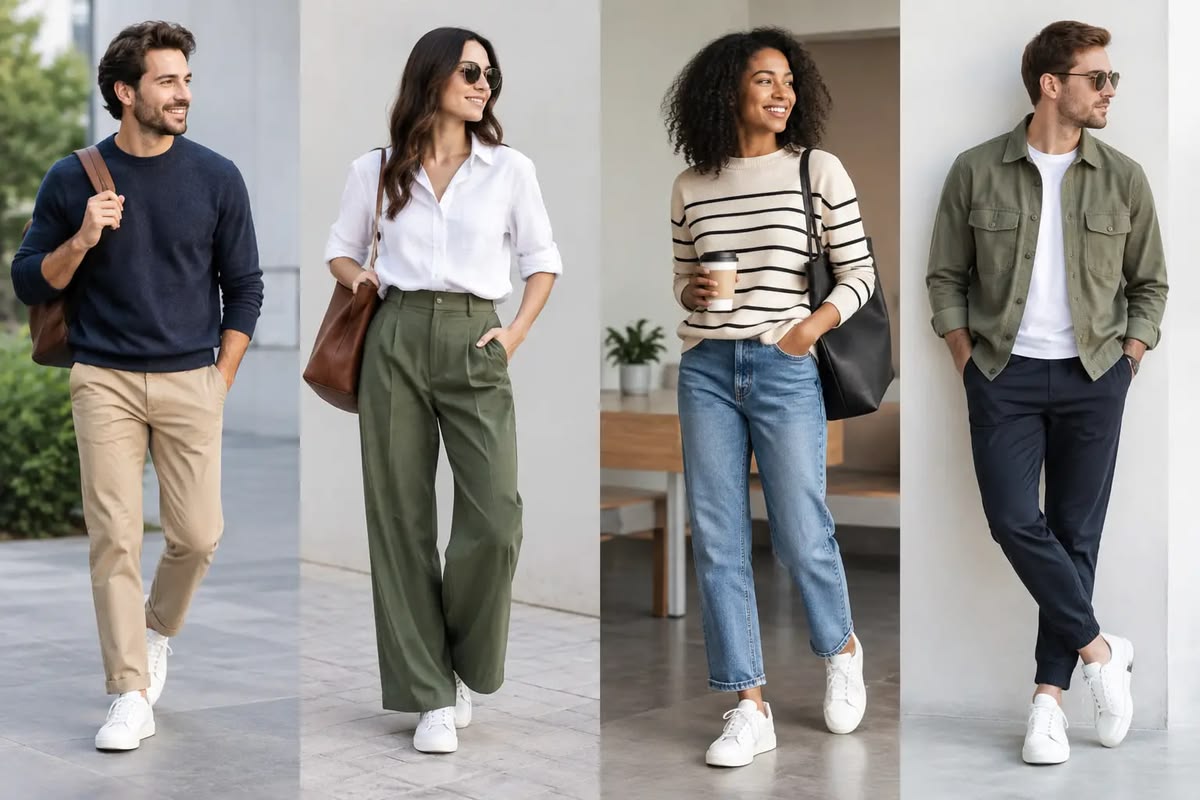
For everyday activities, jeans, a clean T-shirt, and sneakers can provide a practical combination.
For smart-casual occasions, consider chinos, a button-up shirt, and loafers. Adding a blazer can make the outfit more polished.
For professional environments, tailored trousers, a dress shirt, and suitable footwear may be appropriate, depending on the workplace dress code.
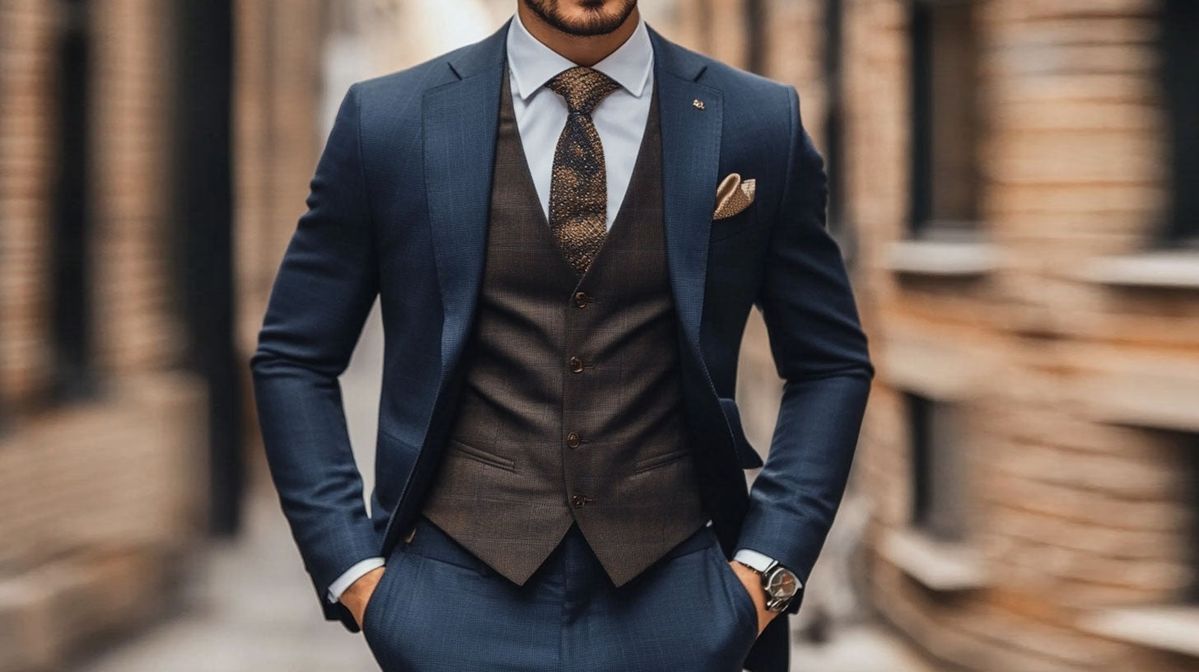
For formal events, check the invitation and follow any specified dress requirements. A suit, formal shirt, and dress shoes may be necessary for some occasions.
The setting, weather, and cultural expectations also matter.
When you are unsure about the dress code, choose an outfit that is neat and slightly more polished than your usual casual clothing. You can make adjustments once you understand the expectations.
Dressing appropriately demonstrates consideration for the event and helps you feel more confident.
8. Use Accessories Thoughtfully
Accessories can improve an outfit without requiring a complete wardrobe change.
Useful options include watches, belts, bags, sunglasses, scarves, and simple jewelry. The right accessories can add personality while making an outfit appear more coordinated.
A classic watch, for example, can complement both casual and smart-casual clothing. A suitable belt can coordinate with your trousers and footwear, while a practical bag can be useful for work or travel.
The key is moderation. Wearing too many noticeable accessories at once may make an outfit feel unbalanced.
Consider the formality of the occasion as well. A casual backpack may be appropriate for everyday activities, while a structured bag may suit a professional environment better.
You do not need expensive accessories to look polished. Affordable items can work well when they are in good condition and complement your clothing.
Choose accessories that suit your personality and that you will use regularly. A small collection of versatile items is often more practical than purchasing many accessories for individual outfits.
9. Learn the Art of Layering
Layering allows you to create more interesting outfits while adapting to changing temperatures.
A simple combination might include a T-shirt under an open casual shirt. In cooler weather, you could add a sweater or jacket.
For a smart-casual look, a button-up shirt paired with a lightweight sweater and suitable trousers can create a balanced appearance.
When layering, consider the thickness, length, and shape of each garment. Several bulky layers may feel uncomfortable, while lighter pieces can offer flexibility.
Color coordination is also important. Neutral layers are easy to combine, although a contrasting jacket or sweater can add interest.
Choose layers according to the weather. Breathable fabrics may be more comfortable in mild conditions, while warmer materials can provide additional insulation during colder months.
Layering also helps extend the usefulness of your wardrobe. A shirt that works well in warm weather may become suitable for cooler days when paired with a sweater or jacket.
The goal is to create practical combinations that look coordinated rather than adding layers simply for the sake of fashion.
10. Avoid Following Every Fashion Trend
Fashion trends can provide inspiration, but you do not need to adopt every new style to look attractive.
Some trends remain popular for only a short time. Purchasing many trend-focused items can become expensive, especially when those garments no longer match your preferences later.
Instead, develop a personal style based on clothing you enjoy wearing and that suits your daily routine.
Start by identifying your preferred fit, colors, and overall aesthetic. You might enjoy classic clothing, relaxed streetwear, minimalist outfits, or a combination of different styles.
Use trends selectively. If a current trend fits your preferences and works with your existing wardrobe, consider trying it. If it feels uncomfortable or unsuitable, there is no need to follow it.
Timeless basics provide a useful foundation because they can be worn across different seasons and combined with more contemporary pieces.
Personal style should also allow for change. Your preferences may evolve as your lifestyle, work, and interests change.
The most effective wardrobe is one that reflects your needs rather than one designed entirely around outside expectations.
11. Take Care of Your Clothing
Proper clothing care can help protect your investment and maintain a neat appearance.
Always check garment care labels before washing or drying clothes. Different materials may require different temperatures, cleaning products, or handling methods.
A few useful habits include:
- Wash garments according to their care instructions.
- Treat stains promptly using suitable methods.
- Repair loose buttons and minor stitching issues.
- Hang shirts and jackets appropriately.
- Fold knitwear when needed to reduce stretching.
- Clean shoes regularly.
- Store seasonal clothing in a clean, dry place.
Ironing or steaming suitable garments can help reduce wrinkles and improve their appearance.
Avoid washing clothes more aggressively than necessary, as excessive washing and unsuitable heat can damage some fabrics.
Regular maintenance also makes it easier to identify minor problems before they become more serious.
Taking care of your wardrobe does not require elaborate equipment. Consistent habits can help your clothes remain presentable and useful for longer.
12. Build Confidence Through Personal Style
Confidence is an important part of looking stylish. Clothing should help you feel comfortable rather than create pressure to meet unrealistic expectations.
Choose garments that suit your body, activities, and personal preferences. You do not need to copy another person’s appearance to develop a strong sense of style.
If you enjoy casual clothing, learn how to make casual outfits look coordinated. If you prefer formal clothing, focus on fit, appropriate fabrics, and simple accessories.
Experiment with different combinations until you discover what works best for you.
It can also help to prepare outfits in advance, especially when you have work commitments or special events. Planning reduces last-minute stress and allows you to check whether the pieces fit together.
Avoid judging your wardrobe entirely by brand names or price tags. A practical outfit that suits your needs can be more valuable than expensive clothing you rarely wear.
Ultimately, confidence develops when your clothing feels authentic, comfortable, and appropriate for the situation.
Common Men’s Style Mistakes to Avoid
Several common mistakes can make dressing well more difficult than necessary.
Wearing the wrong fit: Clothes that pull, sag, or restrict movement may not create the appearance you want.
Ignoring footwear: Dirty or unsuitable shoes can reduce the effectiveness of an otherwise coordinated outfit.
Overusing accessories: Too many competing details can make an outfit feel cluttered.
Buying clothes without a plan: Uncoordinated purchases may create a wardrobe full of items that are difficult to combine.
Ignoring garment care: Wrinkled, stained, or damaged clothing may look less polished.
Following trends blindly: Not every popular style suits every person or lifestyle.
Ignoring the occasion: Clothing should reflect the setting and any stated dress code.
By avoiding these mistakes, you can improve your appearance without significantly increasing your clothing budget.
Conclusion
Developing a strong personal style does not require an expensive wardrobe or an extensive knowledge of fashion. The most important principles are straightforward: choose clothing that fits well, coordinate colors thoughtfully, invest in versatile essentials, and maintain your garments properly.
Pay attention to footwear, grooming, and accessories, and learn how to adapt your outfits to different occasions. Build your wardrobe gradually, using your lifestyle and budget as guides.
Most importantly, avoid feeling pressured to follow every fashion trend. Develop a personal style that reflects your preferences and makes you feel comfortable.
When you combine practical clothing choices with thoughtful presentation, you can create a polished appearance for everyday activities, professional settings, and special occasions.
Good style is not about owning more clothes. It is about making better use of the clothes you have and choosing pieces that help you look and feel your best.

Leave a Reply