

Introduction
Choosing the right outfit is an important part of creating a confident and appropriate appearance. Clothing communicates personal style, reflects the occasion, and can influence how comfortable you feel throughout the day. However, deciding between casual and formal wear can sometimes be confusing, especially when an event has a specific dress code.
Casual wear is generally designed for comfort, relaxation, and everyday activities. Formal wear, on the other hand, is usually more structured, polished, and suitable for professional settings, ceremonies, celebrations, and special occasions. Both styles have their advantages, and neither is automatically better than the other.
The key is understanding when to wear each style and how to choose clothing that suits the situation. A casual outfit can look stylish and well-coordinated, while formal clothing can create an elegant and professional appearance. The best choice depends on the occasion, location, weather, personal preferences, and any dress code requirements.
In this guide, we will explore the differences between casual and formal wear, explain how to choose appropriate outfits for different situations, and share practical tips for building a versatile wardrobe.
1. Understanding Casual Wear
Casual wear includes clothing designed primarily for comfort and everyday use. It is suitable for activities such as shopping, meeting friends, running errands, traveling, and spending time with family.
Casual clothing does not have to look careless or overly simple. With the right combinations, comfortable garments can create a polished and fashionable appearance.
Common examples of casual clothing include:
- T-shirts and simple tops.
- Jeans and comfortable trousers.
- Casual dresses and skirts.
- Sneakers and flat shoes.
- Sweaters, cardigans, and hoodies.
- Denim jackets and lightweight outerwear.
- Comfortable shirts and relaxed-fit clothing.
The exact definition of casual wear depends on the situation. An outfit suitable for a weekend at home may not be appropriate for a casual workplace or a restaurant with a dress code.
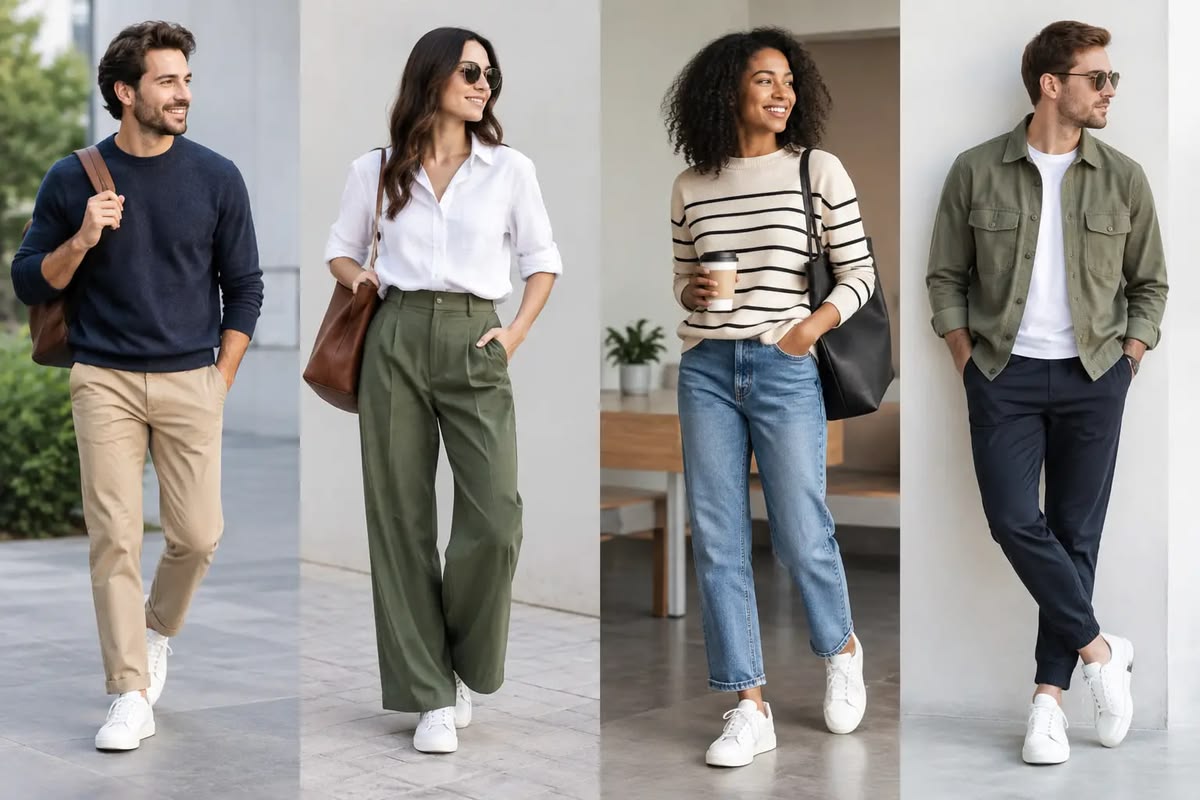
For example, a clean T-shirt paired with well-fitting jeans and sneakers can be ideal for everyday activities. A blouse, tailored trousers, and loafers may be more appropriate for a smart-casual lunch or an informal business meeting.
The most important principle is to balance comfort with the expectations of the setting.
2. Understanding Formal Wear
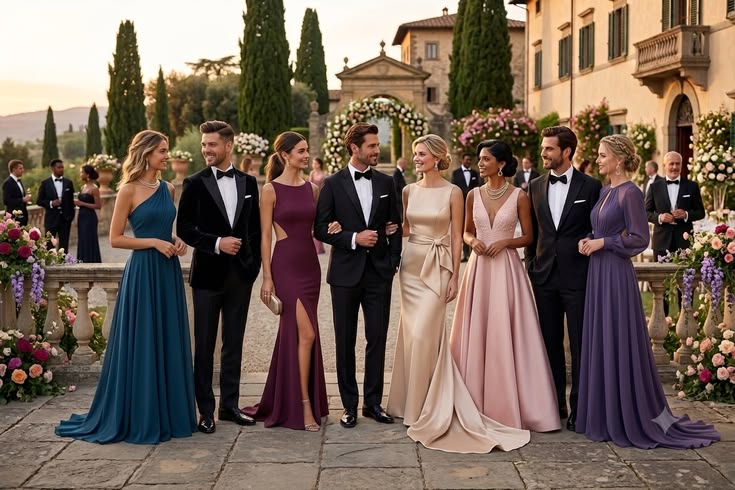
Formal wear refers to clothing intended for occasions that require a more refined, structured, or traditional appearance.
It is commonly associated with formal celebrations, ceremonies, professional events, evening functions, and certain workplaces. Depending on the event, formal clothing may range from business suits and elegant dresses to evening gowns and traditional formal outfits.
Examples of formal clothing include:
- Tailored suits and coordinated suit sets.
- Formal dresses and evening gowns.
- Structured blazers and dress trousers.
- Button-up shirts with formal trousers.
- Dress shoes and elegant heels.
- Refined handbags and understated accessories.
- Traditional formal clothing appropriate to the occasion.
Formal wear usually places greater emphasis on fit, fabric, coordination, and finishing details.
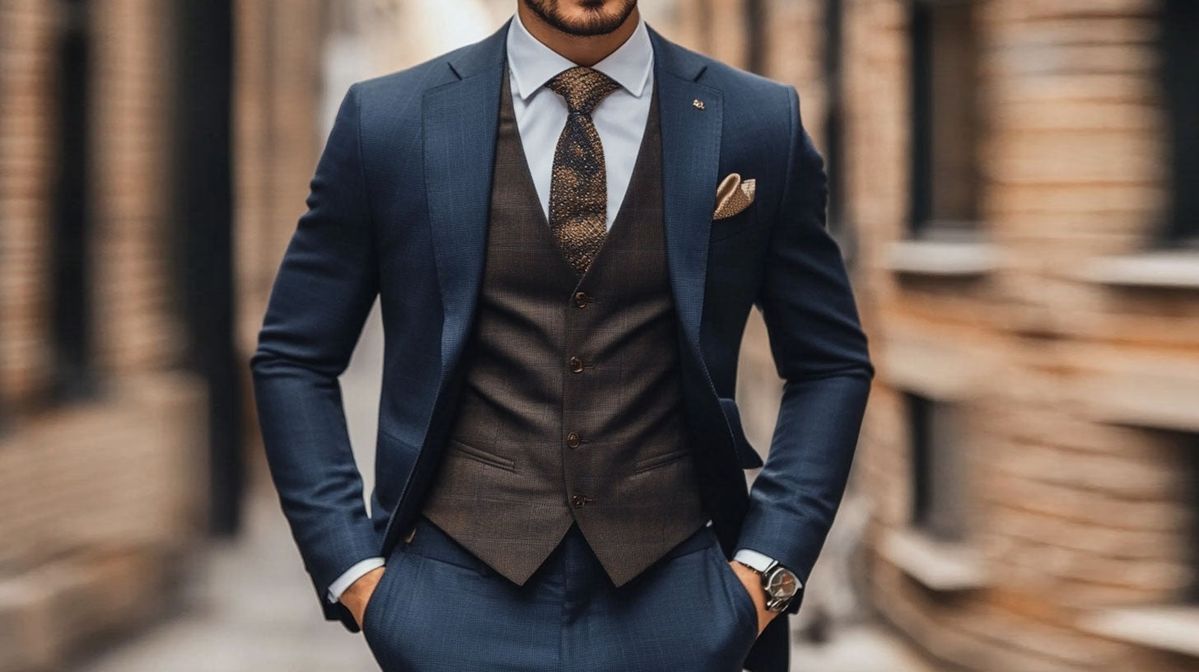
For example, a tailored suit with a clean shirt and polished shoes may be suitable for a formal business meeting. An elegant dress with appropriate footwear and simple jewelry may work well for a formal dinner.
However, not every formal event requires the same outfit. A business conference, wedding, evening reception, and black-tie event may each have different expectations.
Always consider the invitation or stated dress code before choosing formal clothing.
3. Key Differences Between Casual and Formal Wear
Understanding the main differences between these styles makes it easier to select appropriate clothing.
Comfort and Structure
Casual clothing often prioritizes ease of movement and relaxed silhouettes. Formal clothing generally emphasizes a more structured or carefully coordinated appearance.
However, formal clothing can also be comfortable when the fabric, cut, and sizing are appropriate.
Fabrics and Materials
Casual garments commonly use materials such as cotton jersey, denim, knitwear, and relaxed fabric blends.
Formal clothing may feature suiting fabrics, structured cotton, satin, chiffon, crepe, or other materials selected for their appearance and suitability for the event.
These are general tendencies rather than strict rules. A cotton garment can be formal, and a luxurious fabric can sometimes be used in casual clothing.
Footwear
Sneakers, sandals, flats, and casual boots are frequently worn with casual outfits.
Formal outfits may call for dress shoes, elegant heels, loafers, or other footwear that matches the occasion.
Comfort and practicality still matter, particularly when an event involves extended standing or walking.
Accessories
Casual outfits often use practical accessories, such as everyday bags, simple watches, and minimal jewelry.
Formal outfits may include more refined handbags, coordinated jewelry, belts, or other accessories.
The right accessories depend on the outfit and event. More accessories do not necessarily create a more elegant appearance.
Overall Appearance
Casual wear is generally more relaxed, while formal wear tends to follow clearer expectations regarding structure and presentation.
Both styles can be attractive when clothing is clean, fits comfortably, and suits the occasion.
4. How to Choose an Outfit for Everyday Activities
Everyday activities usually allow considerable flexibility in clothing choices. Your outfit should reflect what you will be doing and how much comfort you need.
For shopping, meeting friends, or running errands, jeans, a comfortable top, and clean sneakers can be a practical combination.
If you prefer dresses, a simple day dress with flats or comfortable sandals can create an easy everyday look.
During cooler weather, layering a sweater, cardigan, or jacket can make an outfit more practical while adding visual interest.
When choosing casual clothing, consider three factors:
Comfort: Select clothing that allows you to move freely and feels suitable for the amount of activity planned.
Practicality: Consider the weather, location, and whether you will spend much of the day walking or traveling.
Coordination: Choose colors and garments that work together instead of combining items randomly.
Casual dressing also benefits from attention to detail. Clean shoes, neat clothing, and a well-maintained bag can improve an outfit without increasing your spending.
You do not need an elaborate wardrobe to look stylish during everyday activities. A few versatile garments can provide many useful combinations.
5. How to Choose Formal Clothing for Special Occasions
Formal occasions often have specific expectations, making it important to plan your outfit in advance.
Start by checking the invitation or asking the organizer whether the event has a dress code. Terms such as cocktail attire, business formal, black tie, and traditional formal wear can indicate different levels of formality.
For a formal dinner, a refined dress, tailored trousers, or a coordinated suit may be suitable, depending on the event’s expectations.
For a business conference, structured clothing and polished footwear may help create a professional appearance.
For a wedding, consider the venue, time of day, cultural traditions, and any instructions provided by the hosts. Avoid clothing that conflicts with the stated dress code.
When selecting formal clothing, pay attention to:
- The fit and overall silhouette.
- Fabric quality and comfort.
- Appropriate colors for the event.
- Footwear suitable for the venue.
- Accessories that complement rather than overwhelm the outfit.
- Weather and expected event duration.
Try on the complete outfit before the event. This gives you time to identify issues with fit, footwear, or coordination.
Planning ahead also reduces the temptation to purchase expensive clothing at the last minute.
6. Understanding Smart-Casual Clothing
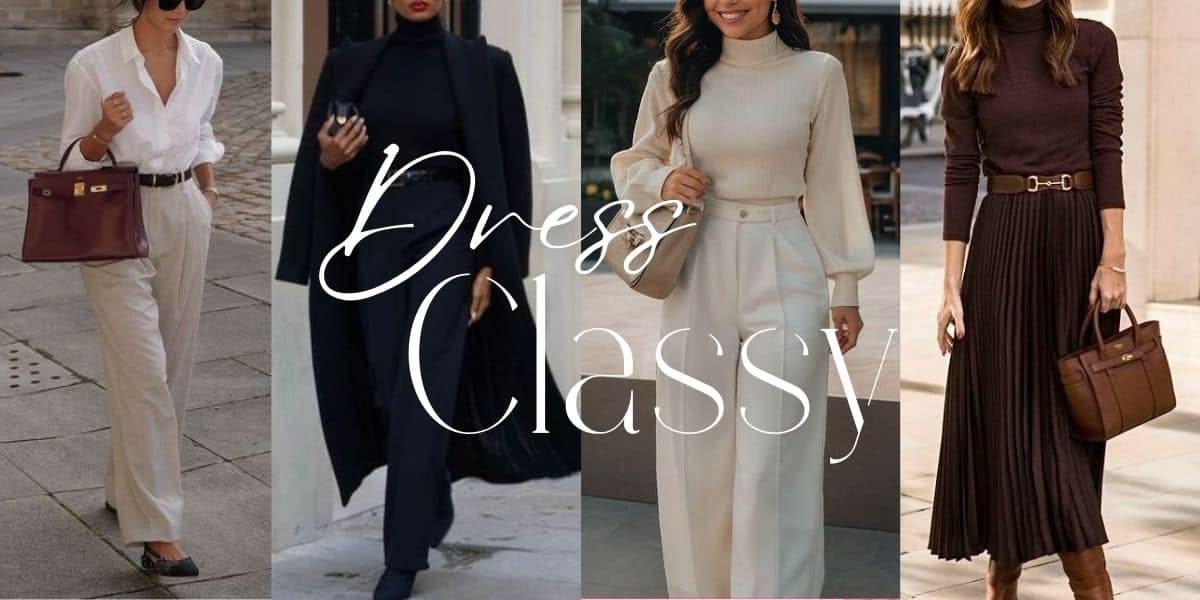
Smart-casual clothing sits between relaxed everyday wear and formal dressing. It combines comfortable pieces with more polished garments.
This style is useful for informal professional meetings, dinners, social gatherings, and workplaces that do not require traditional business attire.
Examples include:
- A blouse with tailored trousers and loafers.
- Dark jeans paired with a blazer and simple shoes.
- A neat knit top with a midi skirt.
- A button-up shirt with clean trousers.
- A simple dress styled with a structured bag.
- A polo shirt with well-fitting chinos.
The exact meaning of smart casual varies between workplaces and events. Some settings allow clean sneakers and dark jeans, while others expect dress shoes and tailored garments.
When uncertain, choose an outfit that is slightly more polished than your usual casual clothing. You can adjust the level of formality after understanding the expectations.
Smart casual is particularly useful because it allows you to use many of the same garments for different occasions.
A blazer, for example, can be worn with jeans for a relaxed but polished outfit or with matching trousers for a more formal appearance.
7. Choosing the Right Colors
Color coordination plays an important role in both casual and formal dressing.
Neutral colors such as black, white, navy, gray, beige, and cream are versatile because they can be combined in many ways.
For casual outfits, you can introduce brighter colors, prints, or contrasting shades to express your personal style.
For formal occasions, coordinated colors often create a refined appearance. A navy suit with a light shirt, for example, offers a classic combination. A simple black dress can be styled with metallic or neutral accessories.
However, formal clothing does not have to be limited to dark or neutral shades. Depending on the event, softer colors, rich jewel tones, and carefully selected patterns can also be appropriate.
Consider the occasion before choosing bold prints or bright combinations. A creative social event may welcome them, while a conservative professional setting may call for simpler choices.
It is also useful to understand which colors you enjoy wearing and feel comfortable combining.
Before purchasing a new item, consider whether it matches several garments already in your wardrobe. This makes it easier to create coordinated outfits without buying a completely new set of clothing for every occasion.
8. Selecting Appropriate Footwear
Footwear can change the overall character of an outfit. Choosing the right shoes helps balance comfort, practicality, and appearance.
For casual wear, sneakers, flats, sandals, and casual boots are common choices. They can work well for shopping, travel, everyday errands, and informal social activities.
For formal wear, dress shoes, elegant flats, loafers, or heels may be more appropriate, depending on the outfit and dress code.
The venue matters too. High heels may not be practical for outdoor events on grass, while delicate shoes may be unsuitable for rainy weather.
When purchasing footwear, consider comfort, durability, and how frequently you expect to wear it.
A neutral pair of shoes that coordinates with several outfits can provide better value than a highly distinctive pair that works with only one garment.
Keep shoes clean and in good condition. Repairing minor damage when practical and storing footwear properly can help extend its useful life.
Remember that formal footwear does not have to be uncomfortable. Select an appropriate style that supports your feet and allows you to enjoy the occasion.
9. The Role of Accessories
Accessories help complete an outfit and can make the same clothing look different across multiple occasions.
For casual wear, practical options include crossbody bags, simple watches, belts, scarves, and everyday jewelry.
For formal wear, you might choose a structured handbag, understated earrings, a necklace, a refined watch, or other accessories that complement the outfit.
The most effective approach is to create balance.
If your clothing includes a bold print or decorative details, simpler accessories may work best. If you are wearing a plain outfit, a colorful scarf or distinctive piece of jewelry can add personality.
Avoid assuming that formal dressing requires expensive accessories. Affordable items can look appropriate when they are well-maintained and suit the overall outfit.
You can also reuse accessories across different clothing combinations. A classic handbag, for example, may work with casual trousers, a simple dress, and a smart-casual outfit.
This is an economical way to increase the versatility of your wardrobe.
10. Dressing for Work and Professional Settings
Workplace clothing depends on the industry, company culture, job responsibilities, and whether you interact with customers or clients.
Some workplaces require traditional business attire, while others encourage smart-casual clothing or allow relaxed everyday outfits.
Before building a work wardrobe, understand the dress code and observe what is considered appropriate.
For a formal professional setting, tailored trousers, structured jackets, coordinated suits, and polished footwear may be suitable.
For a smart-casual workplace, a neat blouse, dark jeans where permitted, a blazer, and clean loafers may be appropriate.
For workplaces that involve physical activity, practical clothing and suitable footwear may be more important than traditional formality.
Choose garments that remain comfortable throughout the workday. Clothing that looks good but restricts movement or requires constant adjustment may not be practical.
A small collection of versatile workwear can be combined in different ways, allowing you to create several outfits without overspending.
Neutral trousers, simple shirts, comfortable shoes, and a coordinating jacket are useful starting points for many professional wardrobes.
11. How to Build a Versatile Wardrobe on a Budget
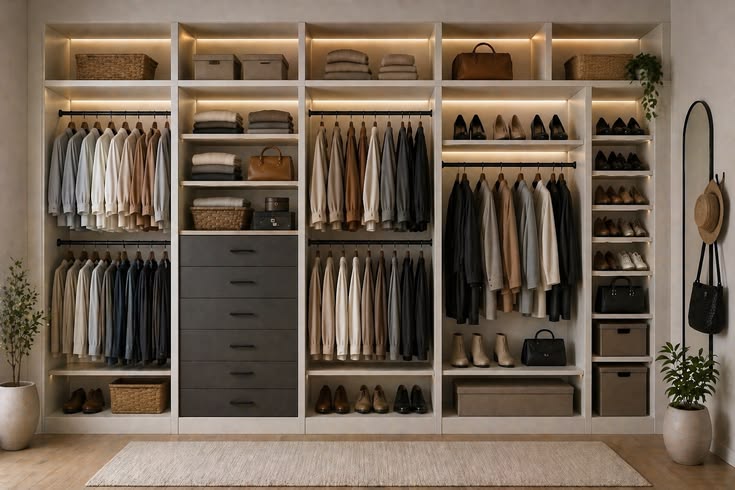
You do not need separate, expensive wardrobes for casual and formal occasions. Many garments can serve multiple purposes when styled appropriately.
Start by reviewing the clothing you already own. Identify the pieces that fit well, suit your lifestyle, and coordinate with several other items.
Next, make a list of missing essentials. Avoid purchasing duplicates of garments that already meet your needs.
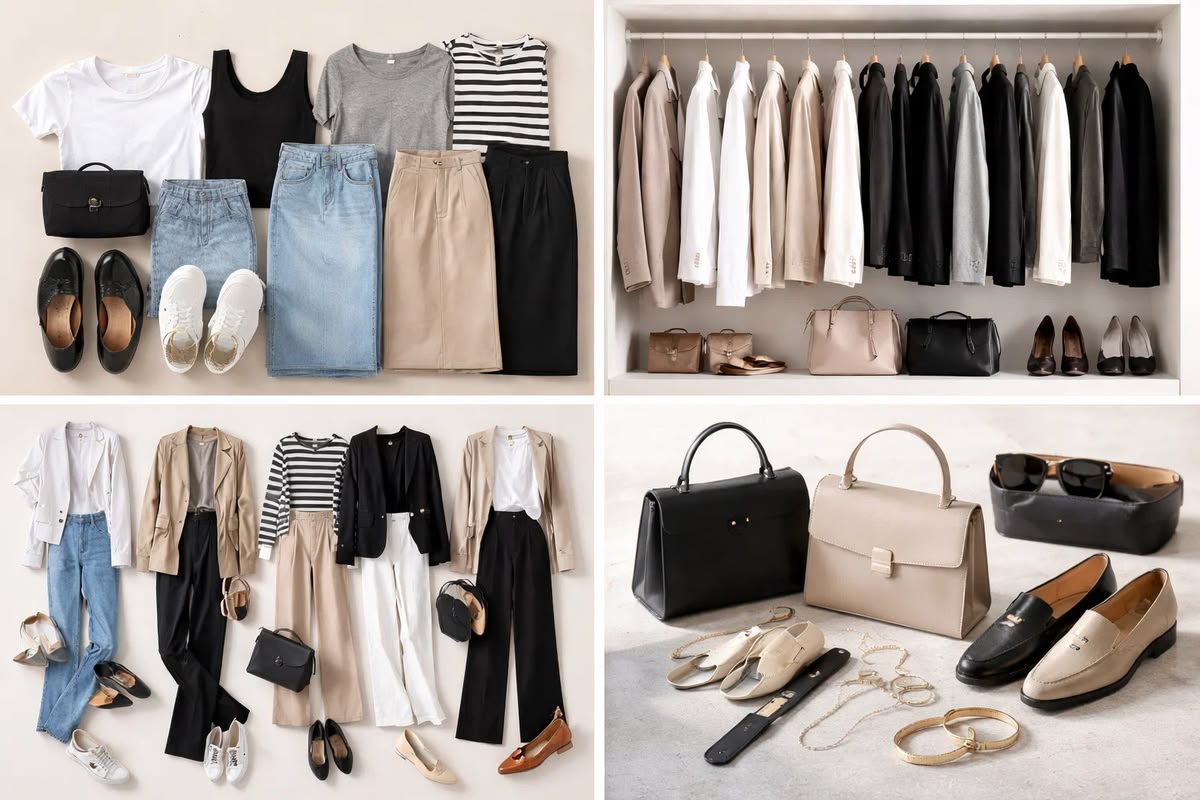
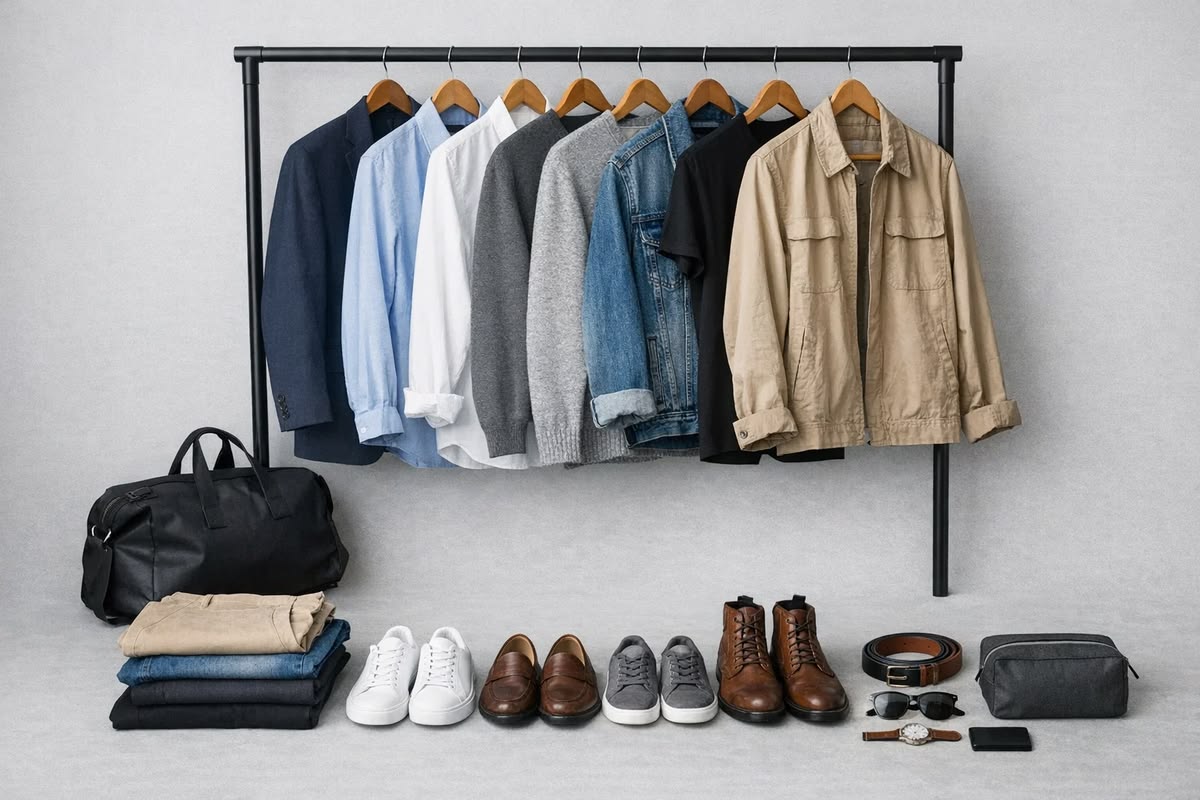
Consider building your wardrobe around versatile pieces such as:
- Well-fitting jeans.
- Neutral trousers.
- Simple shirts and tops.
- A coordinating blazer.
- A versatile dress.
- A sweater or cardigan.
- Comfortable everyday footwear.
- Suitable formal shoes.
- A practical handbag.
The precise list will depend on your lifestyle, climate, cultural preferences, and the occasions you attend most frequently.
Shop with a clear budget and prioritize items you expect to wear regularly.
Sales and secondhand stores may provide useful options, but inspect garments carefully before purchasing them.
You can also plan outfits in advance to discover new combinations among the clothing you already own.
A versatile wardrobe is not necessarily a small wardrobe. It is a collection of garments that meet your needs and work together effectively.
12. Common Outfit Mistakes to Avoid
Even attractive clothing can look unsuitable when it does not match the occasion or fit comfortably.
One common mistake is ignoring the dress code. Wearing casual clothing to a formal event may make you feel out of place, while overdressing for a relaxed activity can be inconvenient.
Another mistake is prioritizing appearance over comfort. Shoes that cause pain or clothing that restricts movement can make an otherwise attractive outfit difficult to enjoy.
Poor coordination can also affect the overall appearance. Too many competing colors, patterns, or accessories may make an outfit feel unbalanced.
Neglecting garment care is another avoidable problem. Wrinkled clothing, stained fabric, and poorly maintained footwear can reduce the polished effect of an outfit.
Finally, buying clothing without considering your existing wardrobe may lead to unnecessary spending.
To avoid these issues, plan according to the occasion, prioritize fit, maintain your clothing, and choose pieces that work well together.
13. Practical Tips for Choosing Between Casual and Formal Wear
When deciding what to wear, ask yourself a few simple questions.
What is the occasion? Everyday errands usually allow casual clothing, while ceremonies and formal events may require more structured outfits.
Is there a dress code? Follow any instructions provided by the organizer, employer, or host.
Where will the event take place? An outdoor venue, office, restaurant, and evening reception may have different practical requirements.
What is the weather like? Select suitable fabrics and layers so that you remain comfortable.
How much movement will be involved? Consider walking, standing, sitting, and traveling before choosing footwear and clothing.
Can I use items I already own? Restyling existing clothing is often more economical than buying an entirely new outfit.
These questions help you make practical decisions without overthinking every clothing choice.
Conclusion
Casual and formal wear serve different purposes, but both can help you express your personal style and create an appropriate appearance.
Casual clothing is generally suitable for relaxed activities and everyday comfort, while formal wear is designed for occasions that require a more polished or structured look. Smart-casual clothing provides a useful middle ground for situations that fall between these categories.
The best outfit depends on the occasion, dress code, location, weather, and your individual preferences. Fit, color coordination, suitable footwear, and thoughtful accessories can improve both casual and formal outfits.
You can also build a versatile wardrobe by choosing garments that work across several situations. A few well-selected essentials may be enough to create outfits for everyday activities, professional settings, and special occasions.
Ultimately, dressing well is not about owning the most expensive clothes. It is about understanding what the situation requires, choosing clothing that feels comfortable, and presenting yourself with confidence.
When you combine practicality with thoughtful styling, you can dress appropriately for different occasions while maintaining a personal style that feels authentic to you.


Leave a Reply