

Introduction
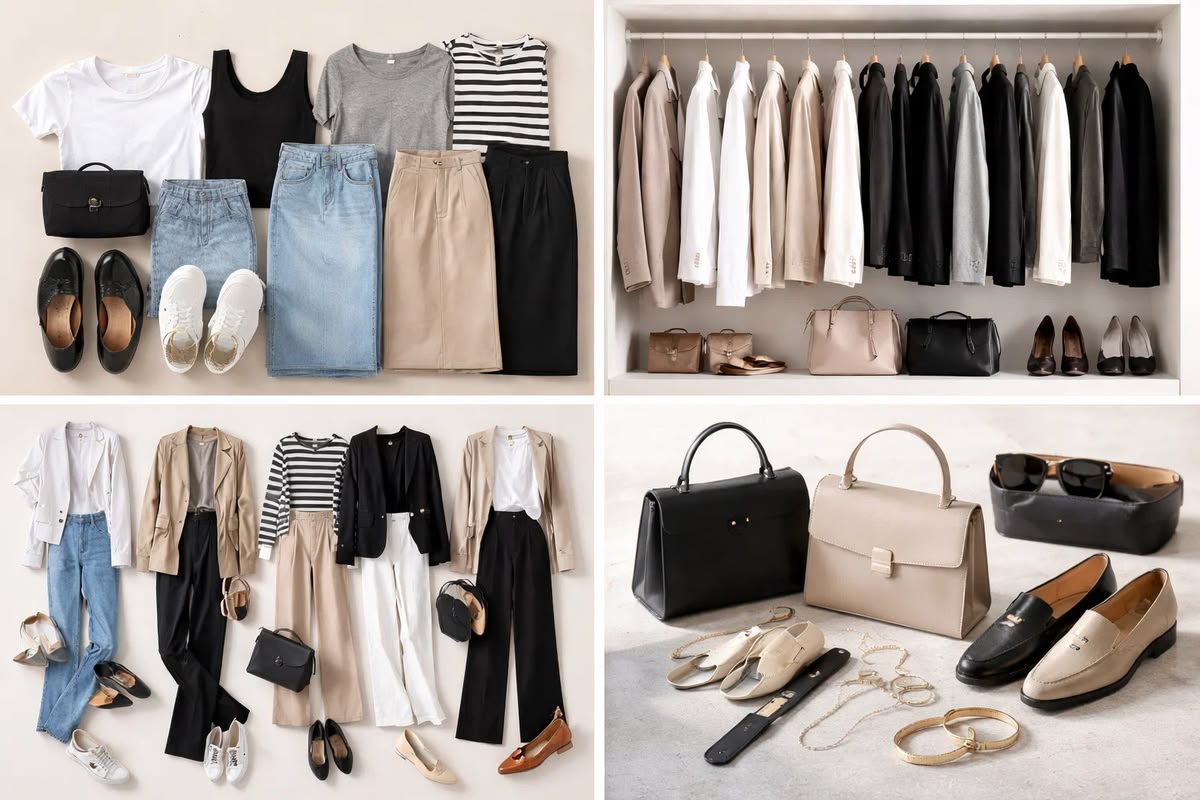
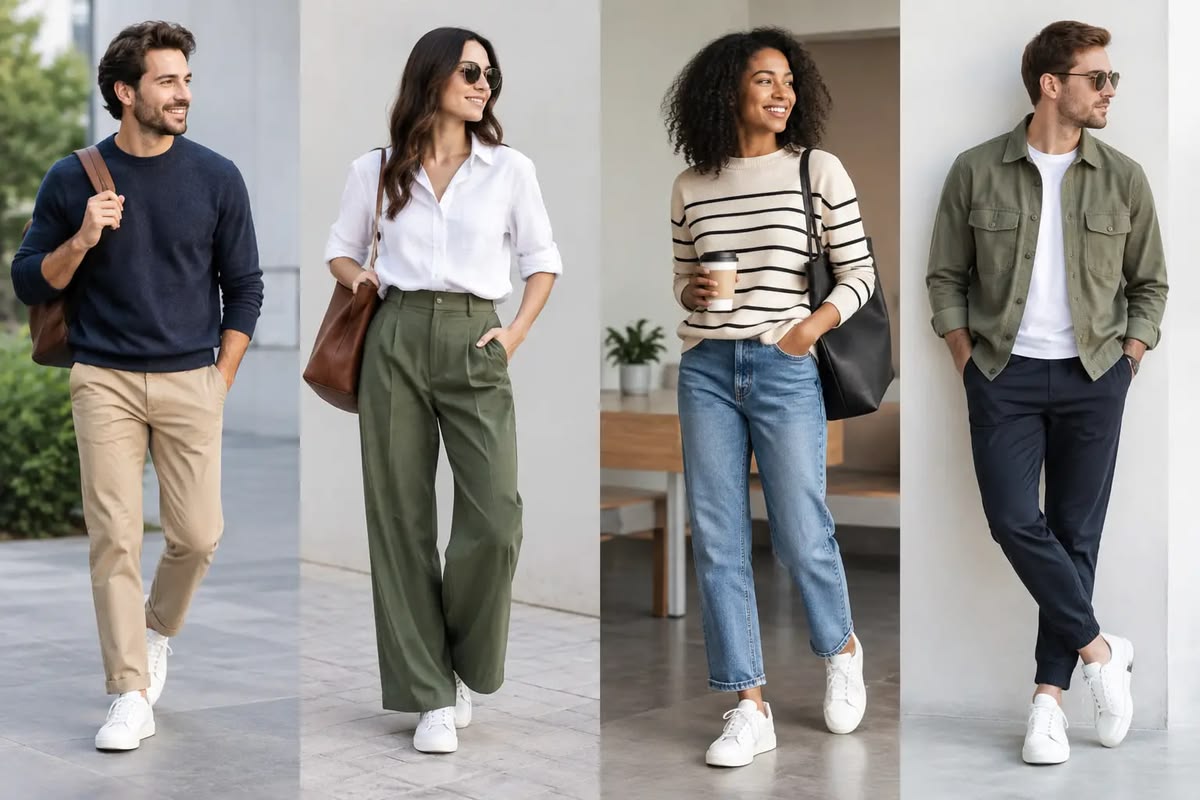
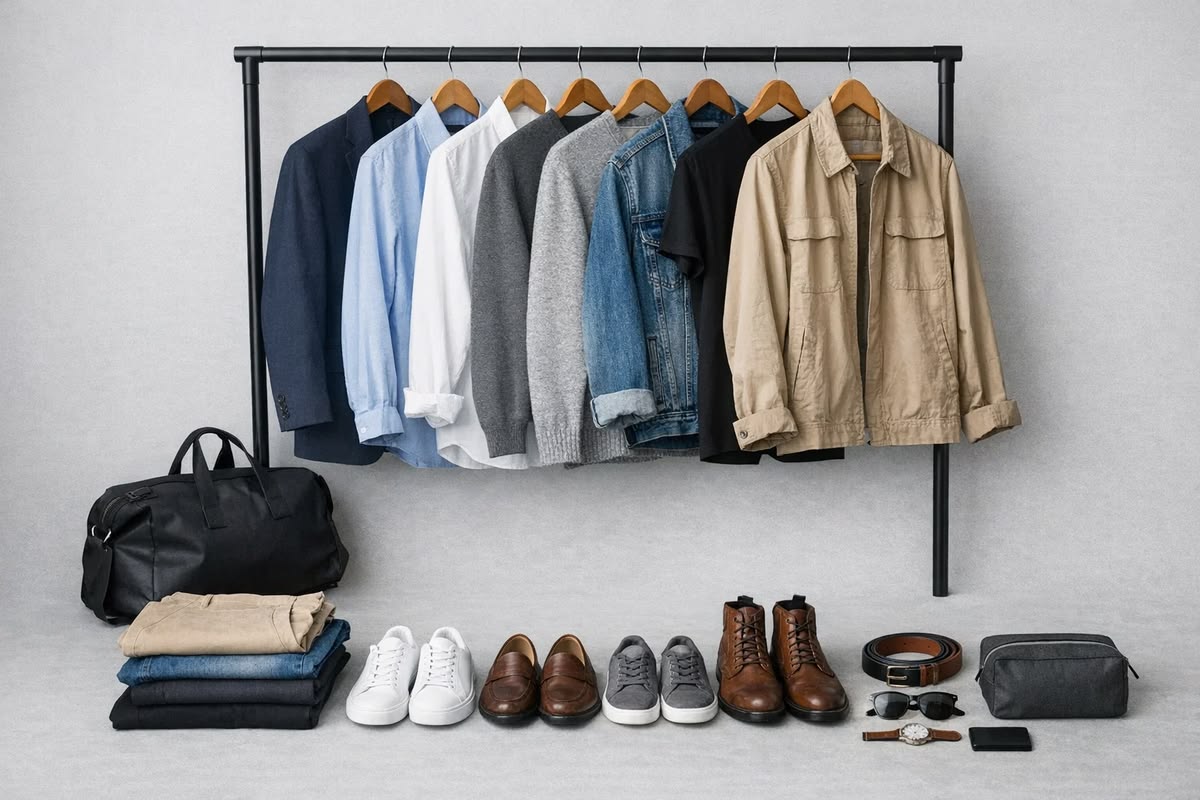
Building a stylish wardrobe does not require hundreds of clothing items or an unlimited shopping budget. The secret to dressing well is having a collection of essential pieces that fit comfortably, complement your personal style, and work for different occasions.
Every woman has unique fashion preferences and lifestyle needs. Some prefer elegant and classic outfits, while others enjoy casual clothing, modern streetwear, or colorful statement pieces. Regardless of personal taste, a wardrobe built around versatile essentials makes everyday dressing easier and more practical.
Essential clothing pieces are garments that can be worn repeatedly and combined in different ways. A classic shirt, comfortable jeans, tailored trousers, a versatile dress, and suitable outerwear can form the foundation of numerous outfits. With the right accessories and thoughtful styling, these basics can work for casual outings, professional environments, family gatherings, and special occasions.
The goal is not to follow a strict list or purchase everything at once. Instead, identify the clothing that suits your lifestyle and gradually build a wardrobe that offers comfort, versatility, and confidence.
In this guide, we explore the essential clothing pieces every woman should consider owning and explain how to style them for different situations.
1. A Classic White Shirt
A classic white shirt is one of the most versatile items a woman can own. Its simple appearance makes it easy to combine with casual, professional, and more formal clothing.
You can wear a white shirt with blue jeans for a relaxed everyday outfit or pair it with tailored trousers for a polished office look. It can also be tucked into a skirt, layered beneath a sweater, or worn open over a basic top.
When choosing a white shirt, consider the fabric, fit, and level of transparency. Cotton and cotton-blend fabrics are common choices because they can be comfortable and suitable for regular wear.
A slightly relaxed shirt offers flexibility, while a more structured design may be useful for professional settings.
You can also change the appearance of a white shirt through accessories. A belt, simple necklace, structured handbag, or attractive pair of shoes can make the same garment feel different.
Because it works with so many clothing combinations, a white shirt is a practical starting point for a versatile wardrobe.
2. Well-Fitting Jeans
Jeans are an essential part of many women’s wardrobes because they offer comfort, durability, and styling flexibility.
Classic straight-leg jeans, relaxed-fit jeans, and other comfortable cuts can work with a wide variety of tops and footwear. The best option depends on your body proportions, preferences, and lifestyle.
For a casual outfit, pair jeans with a T-shirt and sneakers. For a smarter appearance, choose dark-wash denim and combine it with a blouse, blazer, and loafers.
Jeans can also be styled with knitwear during cooler weather or a lightweight shirt during warmer months.
When choosing denim, pay attention to the waistband, length, fabric, and overall fit. Your jeans should allow comfortable movement and work with the shoes you regularly wear.
You do not need several pairs in nearly identical styles. One or two versatile pairs may be enough to cover many everyday situations.
Proper care can help denim last longer. Follow the manufacturer’s washing instructions and avoid unnecessary washing when appropriate.
A comfortable pair of jeans is valuable because it can be worn repeatedly without making your wardrobe feel repetitive.
3. Basic T-Shirts in Versatile Colors
Basic T-shirts are among the most useful clothing items for everyday wear. They can be worn independently during warm weather or used as a foundation for layered outfits.
Consider choosing a few T-shirts in colors that complement your wardrobe, such as white, black, gray, navy, or cream. If you prefer brighter colors, include shades that reflect your personality.
A plain T-shirt can be paired with jeans, skirts, tailored trousers, shorts, or casual jackets.
For example, a white T-shirt with blue jeans creates a simple, relaxed outfit. The same T-shirt can look more polished when tucked into tailored trousers and paired with a blazer.
Fit matters when choosing basic tops. Some women prefer fitted styles, while others feel more comfortable in relaxed or oversized designs. Select cuts that suit your preferences and allow comfortable movement.
Look for fabric that feels pleasant against your skin and is appropriate for your climate.
Because basic T-shirts are easy to style, they are useful for creating numerous outfits without requiring many additional garments.
4. Tailored Trousers
Tailored trousers are a practical addition to a wardrobe because they can create a polished appearance without requiring an elaborate outfit.
Black, navy, gray, and beige trousers are particularly versatile because they can coordinate with many different tops.
For professional settings, pair tailored trousers with a blouse, button-down shirt, and suitable footwear. For a smart-casual outfit, combine them with a plain T-shirt, cardigan, or lightweight sweater.
The style of the trousers can influence the overall appearance. Straight-leg designs offer a classic look, while wide-leg trousers create a more flowing silhouette. Both can be useful when chosen according to your preferences.
Pay attention to the waist, length, and fabric. Trousers should fit comfortably when sitting, standing, and walking.
If you frequently attend professional meetings or formal gatherings, having one reliable pair of tailored trousers can make outfit planning much easier.
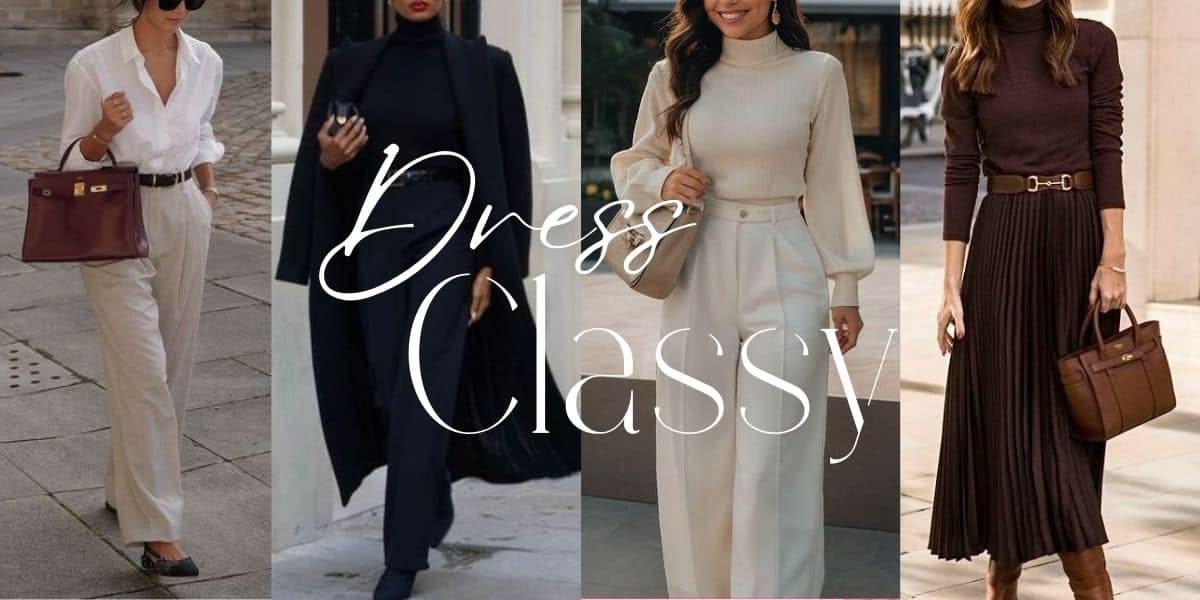
You can also use accessories to change the overall look. A belt and structured bag may create a more formal impression, while simple sneakers can make the outfit feel relaxed.
5. A Versatile Blazer
A blazer can instantly add structure to a simple outfit. It is especially useful for women who want clothing that works across professional and casual settings.
A neutral blazer in black, navy, beige, or gray can complement jeans, dresses, skirts, and tailored trousers.
For an office outfit, wear a blazer over a blouse with tailored trousers. For a casual combination, pair it with jeans, a basic T-shirt, and clean sneakers.
The best blazer depends on your personal style and climate. A lightweight design may be suitable for warmer conditions, while a lined or heavier version can provide additional warmth.
When selecting a blazer, check the shoulder fit, sleeve length, fabric, and overall comfort. It should allow you to move naturally and accommodate the layers you intend to wear underneath.
A blazer does not have to be expensive to be useful. Focus on construction, fit, and versatility rather than brand names alone.
With the right styling, one blazer can become one of the hardest-working items in your wardrobe.
6. A Simple, Elegant Dress
A versatile dress makes it easy to create a complete outfit without coordinating many separate garments.
The ideal design depends on your lifestyle. Some women prefer midi dresses, while others enjoy shirt dresses, simple knee-length styles, or longer flowing designs.
A dress in a solid color or understated pattern can often be worn for multiple occasions.
For daytime activities, pair it with comfortable flats or sneakers and a practical bag. For a more formal gathering, choose suitable footwear, elegant jewelry, and a structured handbag.
Layering can also extend the usefulness of a dress. A cardigan or blazer may make it suitable for cooler weather or a more professional environment.
When choosing a dress, consider the fabric, length, neckline, fit, and occasion. Comfort is important, particularly if you expect to wear it for several hours.
You do not need a large collection of dresses. One or two versatile designs that suit your lifestyle may provide more value than several pieces you rarely wear.
7. A Comfortable Cardigan or Sweater
Knitwear is useful throughout cooler seasons and in air-conditioned environments. A cardigan or sweater can add warmth, texture, and visual interest to a simple outfit.
A neutral cardigan can be worn over a T-shirt, blouse, or dress. It can also be paired with jeans and tailored trousers for everyday activities.
Sweaters offer similar versatility. A simple crew-neck design can create a classic look, while a slightly relaxed sweater can provide a more casual appearance.
When choosing knitwear, consider the fabric, weight, softness, and care instructions. Select materials that suit your climate and feel comfortable against your skin.
Color coordination can make knitwear especially useful. A cream, gray, navy, or brown sweater may work with several pieces already in your wardrobe.
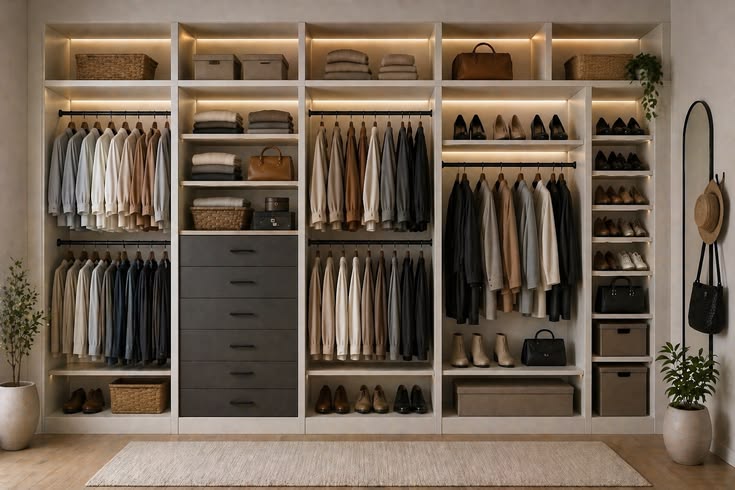
Pay attention to storage, as some knitted garments may stretch when hung for long periods. Folding them appropriately can help maintain their shape.
A versatile cardigan or sweater is a practical investment because it allows you to adapt familiar outfits to different temperatures.
8. A Practical Jacket or Coat
Outerwear is important because it combines functionality with personal style. The right jacket or coat protects you from weather conditions while completing your outfit.
The best choice depends on where you live and the temperatures you regularly experience.
A lightweight jacket may be sufficient for mild weather, while a warmer coat is more suitable for colder conditions. A rain-resistant outer layer may also be useful in wet climates.
Classic designs in neutral colors are often easy to combine with different outfits. A simple jacket can be worn with jeans and a T-shirt, while a structured coat may complement dresses and tailored trousers.
When shopping for outerwear, consider comfort, movement, length, fabric, and the layers you expect to wear underneath.
Do not choose a coat based only on appearance. It should provide the level of warmth and protection you actually need.
Because outerwear is often worn repeatedly throughout a season, selecting a practical and versatile design can make a significant difference to your wardrobe.
9. A Versatile Skirt
A skirt can add variety to a wardrobe and provide an alternative to trousers and jeans.
Different skirt styles suit different preferences and occasions. Straight skirts, A-line designs, pleated skirts, and flowing midi skirts can all be useful depending on your lifestyle.
A simple skirt in a neutral color can be paired with a T-shirt for a casual outfit or a blouse for a more polished appearance.
During cooler weather, you can combine a skirt with knitwear, tights when appropriate, and suitable footwear. In warmer conditions, lightweight fabrics may provide greater comfort.
Consider the length, fabric, waistband, and ease of movement when selecting a skirt.
The best design is one that fits comfortably and works with several tops you already own.
You do not need to follow a particular skirt trend. Choose a silhouette that suits your preferences and feels appropriate for the situations in which you plan to wear it.
10. Comfortable Everyday Shoes
Shoes influence both the appearance and practicality of an outfit. Having a few versatile pairs can make it easier to dress for different occasions.
Depending on your needs, useful options may include sneakers, flats, loafers, sandals, ankle boots, or formal shoes.
Clean sneakers work well with jeans, casual dresses, and relaxed trousers. Flats or loafers can complement smart-casual clothing, while formal footwear may be necessary for certain events.
Choose shoes according to your daily activities, climate, and comfort requirements.
Pay attention to fit, cushioning, support, material, and the amount of walking you expect to do. A fashionable shoe that causes discomfort may not be a practical everyday choice.
Neutral colors can be versatile, but the right color depends on the clothes you own.
Maintain your footwear by cleaning it appropriately and storing it in a way that protects its shape.
A small collection of comfortable, well-maintained shoes can serve many different wardrobe needs.
11. A Functional Handbag
A handbag can be both a practical accessory and an important part of your overall style.
The best everyday bag should provide enough space for your essential belongings without becoming uncomfortable or difficult to carry.
A structured handbag may work well for professional settings, while a crossbody bag can be convenient for shopping, travel, and casual outings.
When choosing a bag, consider its size, compartments, closure, material, weight, and durability.
Neutral colors such as black, brown, beige, and navy can coordinate with many outfits. However, a colorful bag may be a better choice if you enjoy using accessories to express your personality.
You do not need a separate bag for every outfit. One practical everyday bag and an additional option for special occasions may be sufficient for many wardrobes.
Proper care can also help preserve the bag’s appearance. Store it appropriately, avoid overloading it, and follow cleaning instructions for its material.
A functional handbag is a useful wardrobe essential because it combines everyday convenience with personal style.
12. Simple Accessories and Jewelry
Accessories allow you to change the appearance of your clothing without purchasing additional outfits.
A belt, watch, scarf, necklace, bracelet, or pair of earrings can add personality to simple garments.
For example, a plain shirt and trousers can look more polished with a belt and understated jewelry. A scarf can introduce color into a neutral outfit, while a watch may provide a refined finishing touch.
The most useful accessories are those that complement your wardrobe and suit your everyday activities.
You can choose gold-tone jewelry, silver-tone pieces, colorful designs, or minimalist accessories according to your preferences. There is no single combination that everyone needs to follow.
When styling accessories, consider balance. If your clothing contains bold patterns or bright colors, understated accessories may work well. A simple outfit, on the other hand, can provide an opportunity for a statement piece.
Start with a few items you genuinely enjoy wearing rather than purchasing a large collection immediately.
How to Build Your Essential Wardrobe on a Budget
You do not need to buy every essential item at once. A gradual approach can help you build a useful wardrobe without overspending.
Review Your Existing Clothes
Begin by identifying the garments you wear most frequently. You may already own useful basics that only need to be combined differently.
Identify Genuine Gaps
Make a list of items that would help you create more outfits. Prioritize clothing that suits your everyday needs.
Choose Versatile Colors
Select garments that coordinate with multiple items you already own. This increases the number of outfits you can create.
Prioritize Fit and Comfort
A garment that fits comfortably and works with your lifestyle is more useful than one purchased only because it is fashionable.
Compare Quality and Price
Examine fabric, stitching, closures, and care requirements. Look for practical value rather than relying entirely on brand names or price.
Shop Gradually
Purchase the most useful pieces first and add other items when your budget allows.
Maintain Your Clothing
Follow care instructions, repair minor damage, and store garments appropriately to extend their useful life.
These steps can help you develop a wardrobe that is practical, stylish, and suited to your budget.
Common Wardrobe Mistakes to Avoid
Even a wardrobe filled with attractive clothing can become difficult to manage when purchases are not planned carefully.
One common mistake is buying too many garments that serve the same purpose. Several similar tops may provide less value than a versatile jacket that works with multiple outfits.
Another mistake is purchasing clothes that do not fit comfortably. Clothing should support your daily activities rather than restrict movement.
It is also easy to buy items simply because they are discounted. Before making a purchase, consider whether you would still want the item at its regular price and whether it complements your wardrobe.
Ignoring weather and lifestyle requirements can also lead to unnecessary purchases. A beautiful garment may remain unused if it is unsuitable for your climate or daily routine.
Finally, avoid assuming that essential clothing must be expensive. Affordable garments can be useful when they fit well, suit your preferences, and are maintained properly.
Conclusion
Every woman can benefit from a wardrobe built around versatile, comfortable, and practical clothing essentials.
A classic white shirt, well-fitting jeans, basic T-shirts, tailored trousers, a blazer, a simple dress, knitwear, suitable outerwear, a skirt, comfortable shoes, a functional handbag, and selected accessories can provide a strong foundation for many outfits.
However, these items are suggestions rather than strict requirements. Your wardrobe should reflect your lifestyle, climate, personal preferences, and budget.
Start with the pieces you need most, choose garments that work together, and build your collection gradually. With thoughtful planning, you can create numerous stylish combinations without purchasing excessive amounts of clothing.
Ultimately, the best wardrobe is not the one with the most items. It is the one that makes getting dressed easier, supports your everyday activities, and helps you feel comfortable and confident.


Leave a Reply