

Introduction
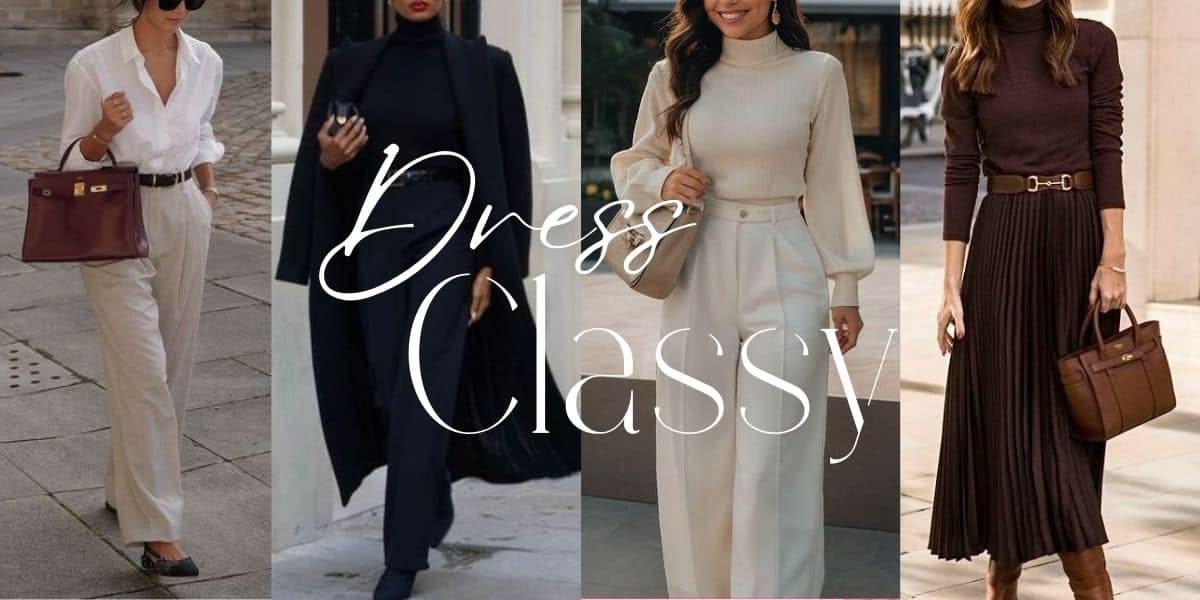
Looking elegant does not require an expensive wardrobe, designer labels, or frequent shopping trips. True elegance comes from choosing clothing thoughtfully, understanding what suits your personal style, and paying attention to details such as fit, color coordination, and presentation. With a little planning, anyone can create stylish outfits while staying within a reasonable budget.
Many people assume that expensive clothing automatically looks better. However, a well-coordinated outfit made from affordable garments can look just as polished as one featuring luxury brands. The secret is knowing what to buy, how to combine different pieces, and how to take care of the clothing you already own.
Budget-friendly fashion is also about making smarter decisions. Instead of purchasing every new trend, you can invest in versatile wardrobe essentials, explore affordable shopping options, and use accessories to refresh familiar outfits.
Whether you need clothes for work, everyday activities, family gatherings, or special occasions, elegant dressing is possible without overspending.
In this guide, we will explore practical ways to dress elegantly on a budget, build a versatile wardrobe, and create a polished appearance without compromising your financial priorities.
1. Build Your Wardrobe Around Essential Pieces
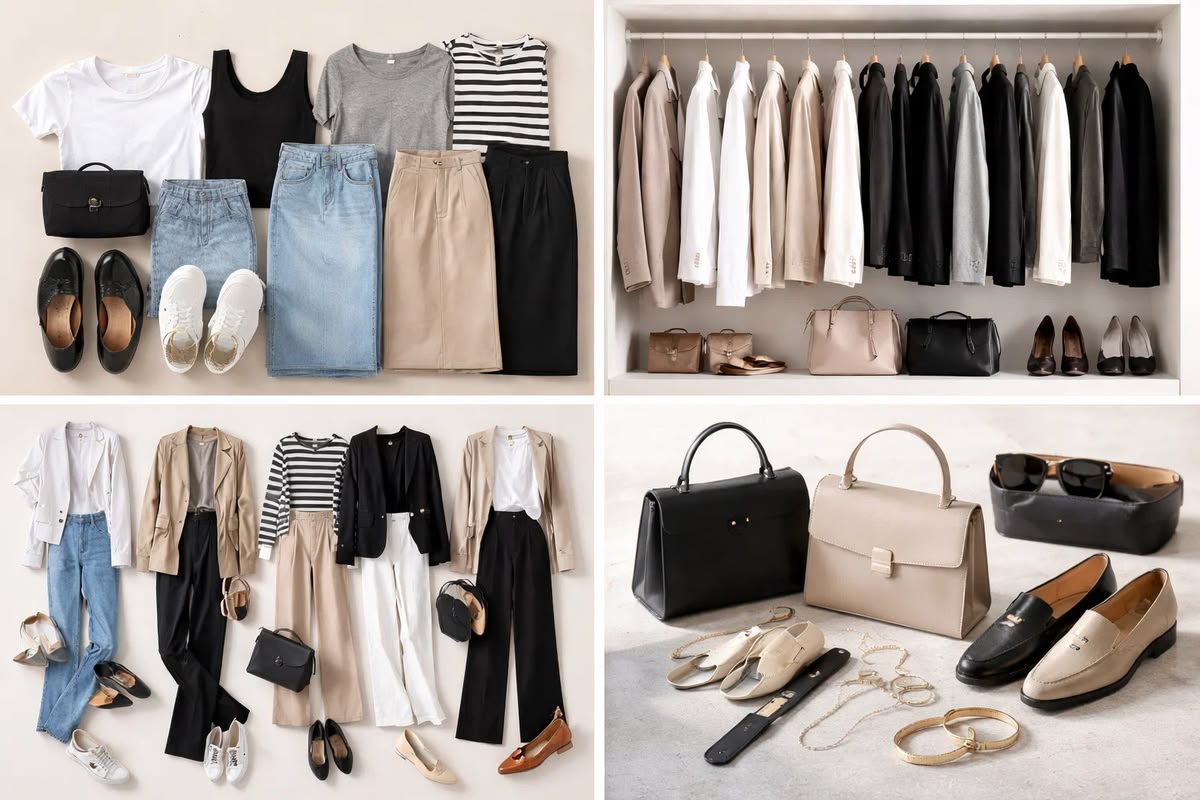
One of the easiest ways to dress elegantly without spending too much is to begin with a collection of versatile wardrobe essentials.
These are clothing items that can be combined in multiple ways and worn for different occasions. They provide a reliable foundation for creating outfits without needing to purchase something new every time you get dressed.
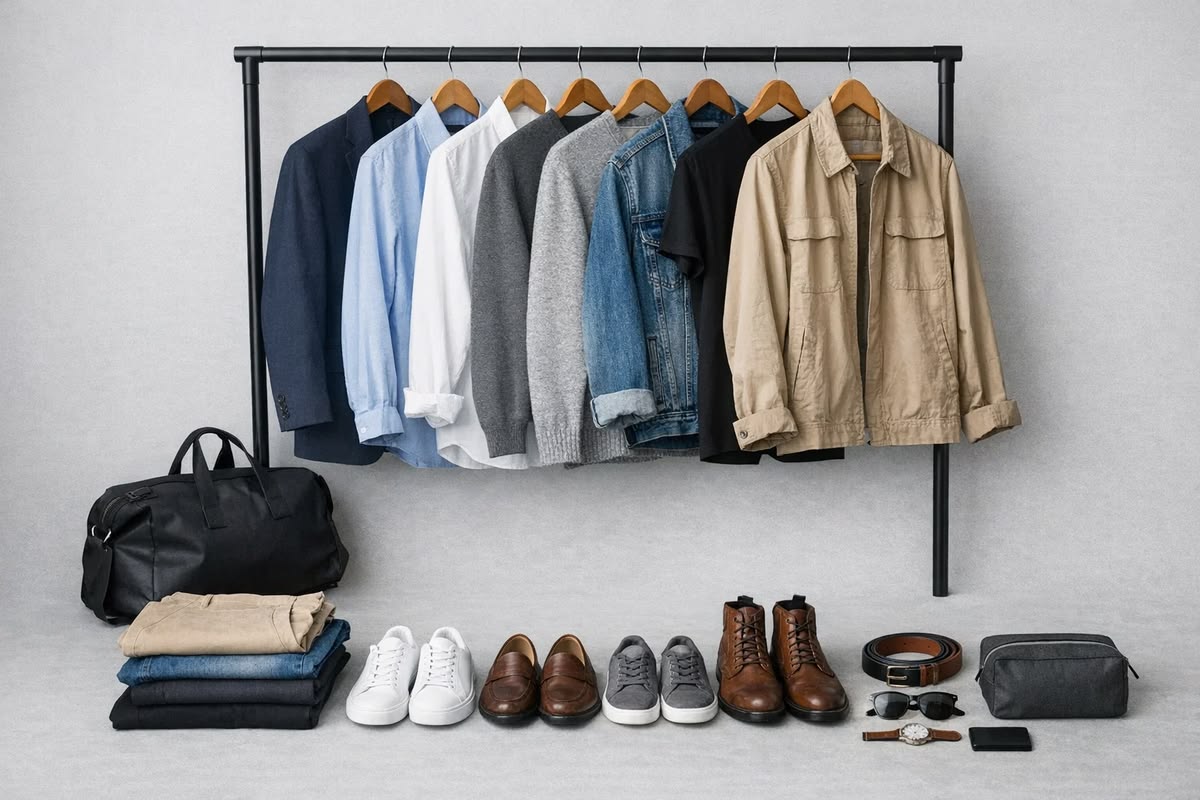
Useful essentials may include:
- A classic white or neutral-colored shirt.
- Well-fitting jeans.
- Black, navy, or beige trousers.
- Simple tops in coordinating colors.
- A versatile blazer or jacket.
- A comfortable dress suitable for different occasions.
- Clean, practical footwear.
- A handbag that complements your wardrobe.
You do not need to buy every item immediately. Review your existing clothing and identify the pieces you already own before making a shopping list.
Focus first on the garments that will improve your everyday outfits. For example, if you already have several tops but lack trousers that coordinate with them, buying a versatile pair of trousers may be more useful than purchasing another shirt.
The goal is to create a wardrobe in which most items work together. This makes it easier to look elegant while reducing unnecessary spending.
2. Prioritize Fit Over Brand Names
Clothing fit has a significant effect on how an outfit looks. An affordable garment that fits comfortably and suits your proportions can create a more polished appearance than an expensive item that does not fit properly.
When shopping, pay attention to shoulder seams, sleeve length, waist fit, trouser length, and the overall shape of the garment.
Clothing should allow you to move naturally without pulling, slipping, or restricting your movement. At the same time, the fit should reflect your personal preferences. Some people enjoy structured silhouettes, while others prefer relaxed or oversized clothing.
If an affordable garment fits well except for a minor issue, a simple alteration may improve its appearance. Shortening trousers, adjusting a hem, or making a small fit correction can sometimes be more economical than buying a replacement.
However, tailoring costs vary, so compare the cost of alterations with the price of another suitable garment.
Avoid purchasing clothes simply because they are fashionable or inexpensive. Choose pieces that fit comfortably, complement your existing wardrobe, and suit the occasions for which you need them.
3. Choose Colors That Work Together
Color coordination is a practical way to make affordable clothing look intentional and elegant.
When your wardrobe contains compatible colors, you can combine garments easily and create many outfits from a relatively small collection.
Neutral shades such as black, white, navy, gray, cream, beige, and brown are popular because they often work well together. You can use these colors as a foundation and introduce brighter shades according to your preferences.
For example, black trousers may work with a white shirt, cream sweater, blue blouse, or burgundy top. A beige jacket can complement jeans, black clothing, and many other neutral garments.
You do not need to wear only neutral colors to look elegant. A colorful blouse, scarf, or handbag can add personality to a simple outfit.
Try choosing a few foundation colors and two or three accent colors that you enjoy wearing. This creates consistency without making your wardrobe repetitive.
Before buying a new garment, consider whether it matches at least three items you already own. If it works with only one outfit, it may provide less value than a more versatile option.
Thoughtful color coordination helps even an inexpensive wardrobe look cohesive.
4. Shop With a Clear Budget
A shopping budget is one of the most effective tools for maintaining an elegant style without financial pressure.
Before purchasing clothing, decide how much you can comfortably spend after covering your essential expenses. Your budget should reflect your personal financial circumstances rather than expectations created by social media or fashion advertising.
Make a list of wardrobe gaps and prioritize them according to usefulness.
For example, if you need clothing for work, comfortable trousers and a suitable shirt may be more important than a decorative accessory. If your everyday wardrobe is already complete, saving for a durable coat may offer more value than buying several inexpensive trend-focused items.
It is also helpful to avoid shopping when you feel pressured to update your appearance quickly. Impulse purchases often result in garments that are rarely worn.
When comparing prices, consider quality, comfort, durability, and expected frequency of use. A slightly more expensive garment may offer better value if it lasts longer and works with many outfits, although a higher price does not guarantee better quality.
A clear budget allows you to enjoy fashion while keeping your spending under control.
5. Take Advantage of Sales Wisely
Sales can help you purchase useful clothing at lower prices, but discounts are only valuable when the item meets a genuine need.
Before shopping during a sale, review your wardrobe and prepare a list of the items you actually want. This reduces the temptation to purchase unnecessary garments simply because they are discounted.
Look for versatile items such as classic shirts, trousers, sweaters, jackets, and footwear. These pieces may provide more long-term value than highly distinctive garments that are difficult to combine with other clothing.
Compare prices across different stores when practical, and check the garment carefully before buying it.
Examine stitching, buttons, zippers, fabric condition, and fit. Review the return policy as well, especially when shopping online.
Avoid assuming that every sale offers the best available price. Sometimes a similar item may be available elsewhere for less.
You can also shop outside peak seasonal periods when retailers offer discounts on previous collections. However, purchase items that suit your climate and lifestyle rather than buying clothing simply because it is inexpensive.
The best sale purchase is one that fills a real wardrobe gap and can be worn regularly.
6. Explore Secondhand and Thrift Shopping
Secondhand shopping can be an affordable way to find clothing, accessories, and occasionally high-quality garments at lower prices.
Thrift stores, resale platforms, clothing exchanges, and local secondhand markets may offer useful options for people who want to build a wardrobe on a budget.
You may find classic blazers, coats, handbags, denim, dresses, and other versatile pieces. Availability and quality vary, so patience is often necessary.
When shopping secondhand, inspect garments for stains, odors, damaged seams, missing buttons, and worn areas. Check the fabric and confirm that the item can be cleaned appropriately.
Sizing may differ between brands and older garment styles, so try items on when possible or check measurements carefully when purchasing online.
Avoid buying an item simply because it appears to be a bargain. It should fit comfortably and work with your existing wardrobe.
Secondhand shopping can also extend the useful life of clothing that might otherwise go unworn. However, the best choice depends on availability, garment condition, transportation, and cleaning requirements.
With careful selection, secondhand shopping can provide practical and stylish additions to an affordable wardrobe.
7. Make Simple Outfits Look More Elegant
Elegant outfits do not have to be complicated. Often, a few well-chosen pieces create a polished appearance without requiring expensive clothing.
For example, a plain shirt, tailored trousers, and clean footwear can create a refined everyday outfit. A simple dress paired with understated accessories can work well for a family gathering or social event.
The key is to coordinate the pieces and consider the overall proportions.
If you wear loose trousers, you may prefer a more structured top. If you choose an oversized shirt, tucking it in or adding a belt can create a different silhouette.
Color coordination also helps. Wearing complementary shades can make an outfit appear more intentional, while combining too many competing patterns may create a less cohesive result.
Pay attention to the condition of your clothing. Clean garments, properly fastened buttons, neat hems, and appropriate footwear can improve the overall appearance.
You do not need to purchase a new outfit for every occasion. Learn to restyle the clothes you already own and use small adjustments to create different looks.
Simplicity can be a powerful styling tool when the pieces fit well and work together.
8. Use Accessories to Elevate Your Look
Accessories are useful for adding personality to affordable outfits. They can make familiar clothing feel different without requiring a large wardrobe.
Useful accessories may include belts, watches, scarves, simple jewelry, handbags, and sunglasses.
For example, a plain shirt and jeans can look more polished with a belt and structured handbag. A simple dress can be styled with a necklace and suitable footwear for a more formal occasion.
You do not need expensive jewelry to create an elegant appearance. Affordable pieces can work well when they are comfortable, appropriately maintained, and coordinated with your clothing.
Try choosing accessories that can be used with multiple outfits rather than purchasing items for only one occasion.
For everyday styling, one or two accessories may be enough. If your outfit already includes bold colors or patterns, simpler accessories can help maintain balance.
A scarf can introduce color, while a classic belt may provide definition to an outfit. A practical bag can also improve both functionality and appearance.
Accessories offer an economical way to experiment with style while keeping your main wardrobe relatively simple.
9. Take Proper Care of Your Clothes
Taking care of your clothing is one of the most effective ways to protect your fashion budget.
Garments that are washed, stored, and maintained properly may remain useful for longer, reducing the need for frequent replacement.
Always follow the care label when washing or drying clothes. Different fabrics require different levels of heat, cleaning methods, and handling.
Some useful habits include:
- Treat stains promptly using suitable cleaning methods.
- Repair loose buttons and minor stitching problems.
- Fold knitwear when appropriate to help prevent stretching.
- Hang garments that wrinkle easily.
- Keep shoes clean and store them properly.
- Avoid overloading washing machines.
- Store seasonal clothing in a clean, dry place.
Ironing or steaming suitable garments can also help them look more polished. Follow fabric instructions to avoid damage.
It is important to understand that proper care cannot make every garment last indefinitely. Fabric quality, construction, and frequency of use also influence durability.
Nevertheless, maintaining your clothing helps you get more value from the money you have already spent.
10. Create Multiple Outfits From Fewer Items
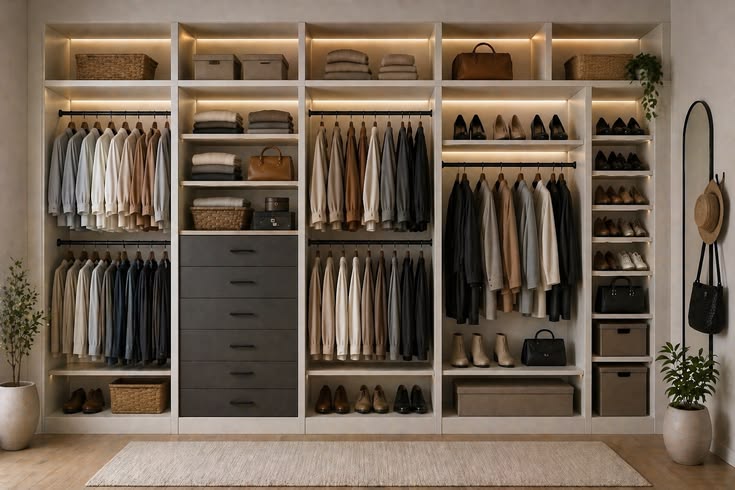
A small, coordinated wardrobe can offer more styling possibilities than a larger collection of unrelated garments.
The idea is to choose clothing that works together and can be used in different combinations.
For example, one pair of trousers could be worn with a white shirt for work, a T-shirt for casual outings, and a sweater for cooler weather.
A blazer can be paired with jeans, tailored trousers, or a simple dress. A versatile skirt can work with different tops and footwear depending on the occasion.
To make this approach easier, try planning outfits before purchasing new clothing.
You can even photograph combinations that you particularly like. Keeping a small collection of outfit ideas on your phone can help you get dressed quickly and remember useful combinations.
A capsule wardrobe is one way to apply this principle. It focuses on a relatively small number of compatible items that can be combined into numerous outfits.
You do not have to follow a strict number of garments. The aim is simply to make your existing clothing more useful.
This approach saves money, reduces wardrobe clutter, and encourages more thoughtful shopping.
11. Choose Fabrics Carefully
Fabric influences the comfort, appearance, maintenance, and durability of clothing.
Cotton is commonly used for everyday shirts and T-shirts because it can feel comfortable and breathable. Linen is often useful in warm weather, while wool and some heavier blends may provide warmth in cooler conditions.
Fabric blends can also offer practical benefits, such as easier maintenance or improved stretch.
However, no material is automatically the best choice for every garment. Suitability depends on the fabric’s construction, quality, climate, intended use, and care requirements.
When shopping on a budget, read garment labels and examine the material rather than relying only on the appearance of the item.
Check whether the fabric feels comfortable against your skin and whether it will require special cleaning.
A delicate garment that requires expensive maintenance may not be the most practical purchase for everyday use.
Choose fabrics according to how often you expect to wear the garment and how much care you can reasonably provide.
Understanding basic fabric characteristics can help you make better decisions and avoid unnecessary expenses.
12. Develop Your Personal Style
Personal style is more important than the price of your clothing.
Some women prefer classic elegance, while others enjoy casual outfits, colorful designs, modest fashion, or modern streetwear. You can look stylish in many different ways without copying every trend.
Start by identifying the outfits you enjoy wearing most. Notice the colors, shapes, and fabrics that make you feel comfortable and confident.
You can then use those preferences to guide your shopping decisions.
For example, if you prefer classic clothing, focus on versatile shirts, tailored trousers, simple dresses, and understated accessories. If you enjoy colorful outfits, combine your favorite shades with a few coordinating basics.
Social media can provide inspiration, but remember that carefully styled photographs do not necessarily reflect everyday needs or budgets.
Instead of trying to recreate every look, adapt ideas to your lifestyle and available resources.
Personal style can also change over time. Your wardrobe should evolve naturally as your preferences, activities, and needs change.
By developing a clear sense of what you enjoy wearing, you can spend less money on unsuitable clothing and feel more confident in your choices.
13. Dress Elegantly for Different Occasions
Budget-friendly elegance becomes easier when you know how to adapt your clothing to different situations.
Everyday Outings
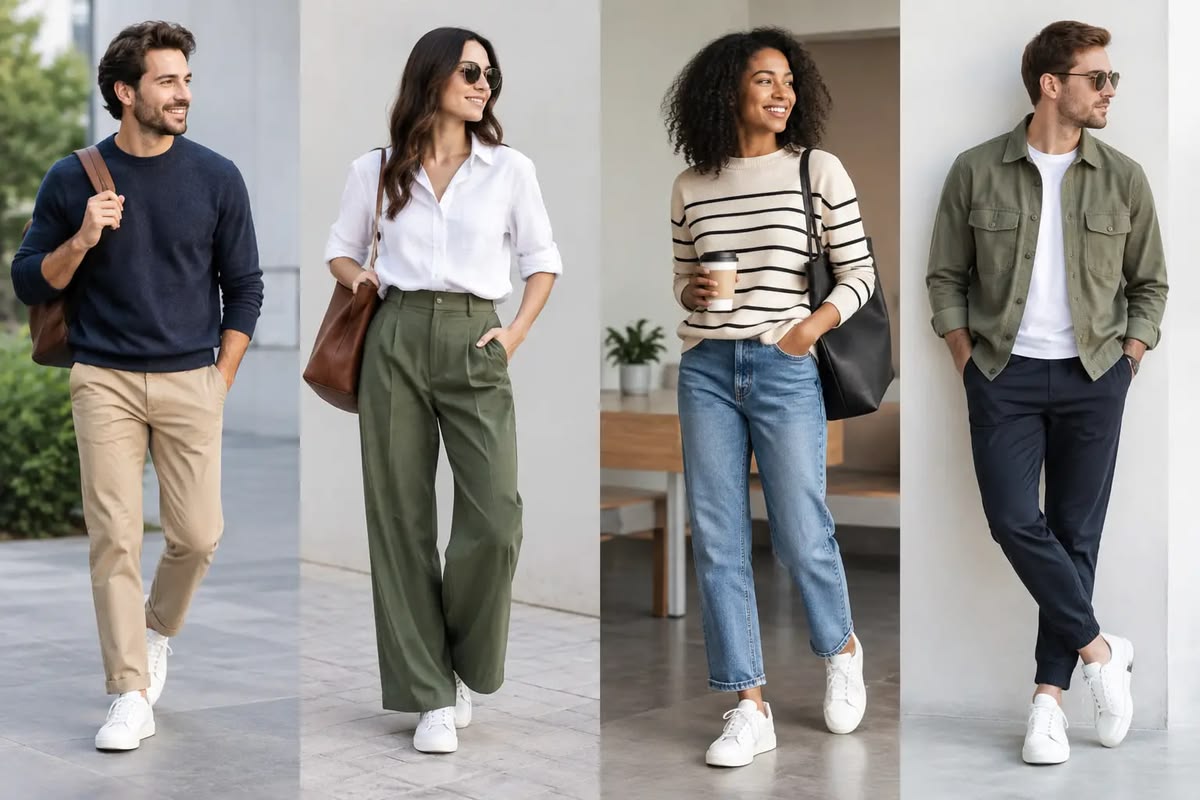
A plain T-shirt, well-fitting jeans, and clean sneakers can create a comfortable, coordinated outfit. Add a practical bag or belt if desired.
Work and Professional Settings
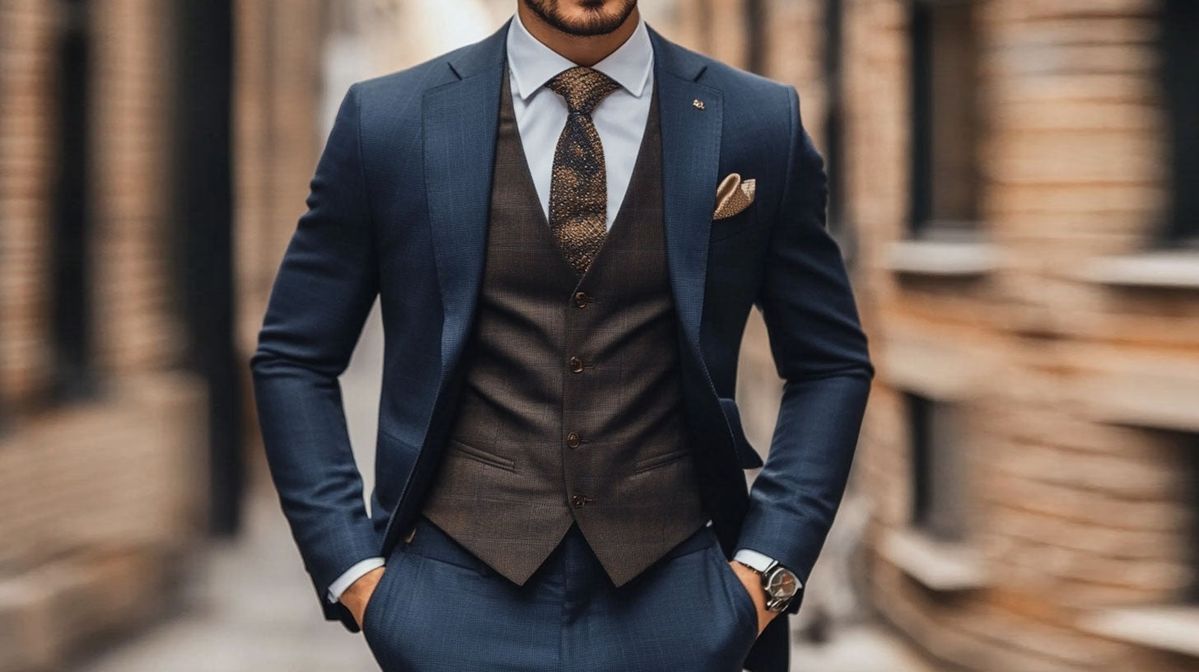
Tailored trousers, a blouse, and a simple jacket can create a polished appearance. Adjust your choices according to your workplace dress code.
Family Gatherings
A simple dress or coordinated top and trousers can work well. Choose comfortable footwear and accessories appropriate to the occasion.
Formal Events
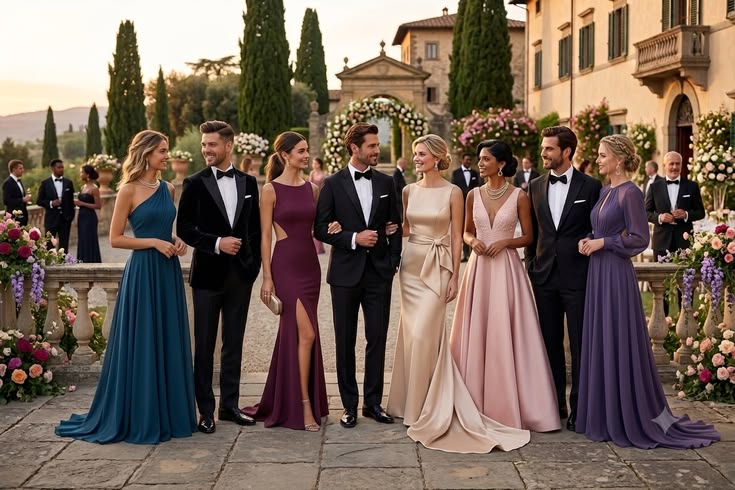
Use clothing you already own where possible. A versatile dress can be styled with different shoes, jewelry, and a handbag to create a more formal appearance.
Travel
Prioritize comfortable, versatile garments that can be combined easily. Layers and practical footwear are particularly useful.
Planning outfits around the occasion helps you avoid unnecessary purchases and makes your wardrobe more effective.
Common Mistakes to Avoid When Dressing on a Budget
Several common mistakes can make affordable fashion more expensive than necessary.
Buying too many trend-focused items: Trends may change quickly, so avoid purchasing garments you are unlikely to wear regularly.
Ignoring fit: A cheap garment that does not fit comfortably may remain unused.
Shopping without a plan: Unplanned purchases can lead to a wardrobe full of items that do not coordinate.
Assuming expensive means better: Price and brand name do not guarantee quality, durability, or suitability.
Neglecting clothing care: Poor maintenance can shorten the useful life of garments.
Buying only because something is discounted: A discount is not a saving if you do not need the item.
Avoiding these mistakes helps you spend more thoughtfully and create a wardrobe that supports your lifestyle.
Conclusion
Dressing elegantly on a budget is possible when you focus on versatility, fit, coordination, and thoughtful shopping rather than expensive brands.
Begin with essential wardrobe pieces, select colors that work together, and prioritize clothing that suits your lifestyle. Explore sales and secondhand options carefully, use accessories to refresh simple outfits, and take proper care of the garments you already own.
You can also create more outfit combinations by learning to layer clothing and style the same pieces for different occasions.
Most importantly, develop a personal style that reflects your preferences instead of feeling pressured to follow every trend.
Elegance does not depend on how much money you spend. It comes from making deliberate choices, wearing clothes that fit comfortably, and presenting yourself with confidence.
With a realistic budget and a practical approach, you can build a stylish wardrobe that looks polished, supports your daily activities, and remains useful for years to come.


Leave a Reply