

Introduction
Fashion is a powerful way for women to express their personalities, creativity, and confidence. The clothes a woman chooses can reflect her lifestyle, preferences, and the occasions she dresses for. While fashion trends change from season to season, understanding the most influential styles can make it easier to create outfits that feel modern, comfortable, and elegant.
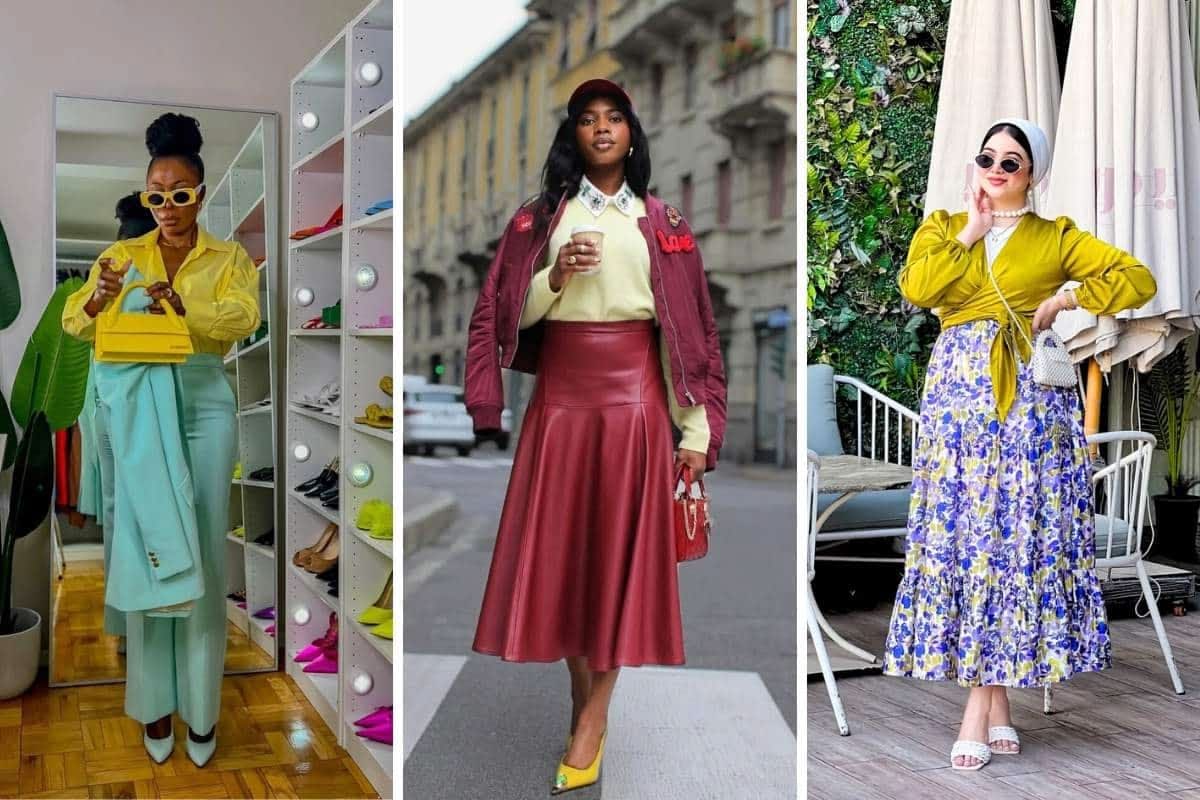
Today’s women’s fashion offers a wide variety of choices, from minimalist clothing and relaxed tailoring to statement accessories, classic denim, and sophisticated everyday outfits. Some trends focus on comfort and practicality, while others encourage experimentation with colors, textures, and silhouettes.
However, looking fashionable does not mean purchasing every new item that appears in stores or on social media. The best approach is to understand different trends and select those that complement your personal style, body proportions, lifestyle, and budget.
Whether you prefer casual outfits, professional clothing, feminine dresses, or contemporary streetwear, there are many ways to incorporate modern fashion into your wardrobe.
In this guide, we explore the biggest fashion trends every woman should know and explain how to wear them in practical, stylish ways.
1. Minimalist Fashion
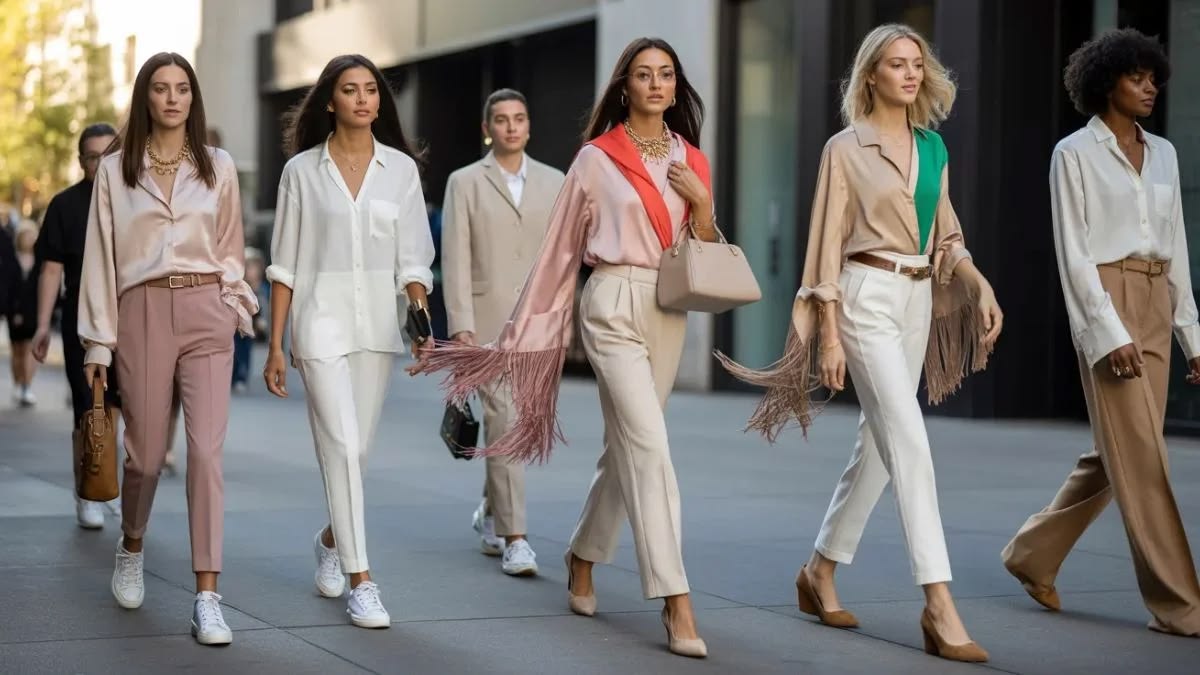
Minimalist fashion continues to appeal to women who appreciate simple, versatile, and elegant clothing. This style focuses on clean silhouettes, understated details, coordinated colors, and garments that can be worn in multiple combinations.
A minimalist wardrobe may include neutral shirts, tailored trousers, classic jeans, simple dresses, lightweight knitwear, and structured outerwear.
Black, white, beige, cream, gray, and navy are common choices because they can be combined easily. However, minimalist fashion does not require wearing only neutral colors. Soft pink, olive green, burgundy, and other shades can also work beautifully when used thoughtfully.
One advantage of minimalist clothing is its versatility. A simple blazer can be paired with jeans for a casual appearance or worn with tailored trousers for a more professional outfit.
To adopt this trend, begin with pieces that suit your everyday activities. Focus on comfortable fabrics, appropriate fits, and simple designs that complement your existing wardrobe.
Minimalism is especially useful for women who want to look polished without spending too much time deciding what to wear.
2. Relaxed and Oversized Silhouettes
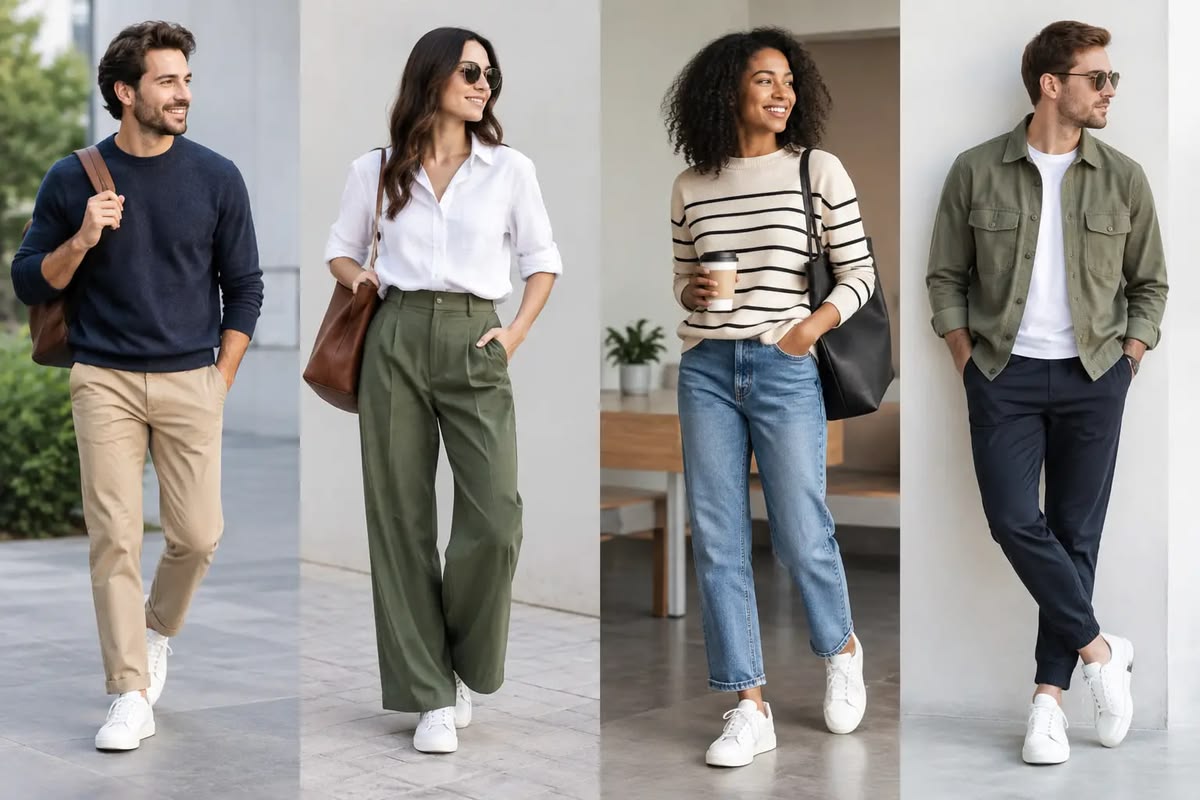
Relaxed clothing has become an important part of contemporary fashion. Oversized shirts, loose blazers, wide-leg trousers, and relaxed denim offer a comfortable alternative to tightly fitted garments.
When styled thoughtfully, oversized clothing can look modern, sophisticated, and effortless.
For example, an oversized button-down shirt can be paired with straight-leg jeans and simple footwear. A relaxed blazer can be worn over a fitted top to create contrast between structured and loose elements.
The key is proportion. Wearing oversized pieces from head to toe can create a dramatic silhouette, while combining one loose garment with a more fitted item can produce a balanced appearance.
Consider sleeve length, shoulder placement, fabric weight, and overall comfort when choosing oversized clothing. A garment should look intentional rather than simply appearing too large.
This trend works well for casual outings, travel, shopping, and many everyday activities. Depending on the design and dress code, relaxed tailoring can also be suitable for some professional environments.
The most important consideration is selecting silhouettes that make you feel comfortable and confident.
3. Wide-Leg Trousers
Wide-leg trousers are a versatile option for women who want comfortable clothing with a polished appearance. Their flowing shape can create an elegant silhouette and work across casual, professional, and formal settings.
Available in denim, cotton, linen, wool blends, and other fabrics, wide-leg trousers can be adapted to different seasons and occasions.
For an everyday look, pair them with a simple T-shirt, comfortable sneakers, and a crossbody bag. For a more formal outfit, combine tailored wide-leg trousers with a tucked-in blouse, a fitted top, or a structured blazer.
The length of the trousers can influence the overall appearance. Some designs sit just above the shoes, while others create a longer, flowing line. Choose a length that works with your preferred footwear and allows comfortable movement.
If you prefer a more defined waistline, try a tucked-in shirt or a top that finishes near the waistband.
Wide-leg trousers are also practical because one pair can be styled in several ways. Selecting a versatile color can help you create multiple outfits without purchasing many additional garments.
4. Denim Beyond Basic Jeans
Denim remains a major part of women’s fashion because it is practical, adaptable, and easy to style. Although classic blue jeans remain popular, modern denim offers many shapes, washes, and designs.
Straight-leg jeans, wide-leg jeans, relaxed fits, dark denim, denim skirts, and denim jackets all provide different styling possibilities.
Straight-leg jeans are particularly versatile because they can be paired with casual T-shirts, knitwear, shirts, and structured jackets. Dark denim can create a more polished appearance, while lighter washes often feel relaxed and casual.
Denim-on-denim outfits are another option. For example, a denim jacket can be paired with jeans in a similar shade or with contrasting washes to create visual interest.
To make denim outfits look intentional, pay attention to fit and proportions. A relaxed pair of jeans may work well with a fitted top, while a straight-leg design can be combined with a variety of silhouettes.
When choosing denim, prioritize comfort and durability. The best pair is one that fits well, suits your lifestyle, and can be worn regularly.
5. Elegant Everyday Dresses
Dresses remain an important part of women’s fashion because they offer an easy way to create a complete outfit. Modern dress styles range from relaxed shirt dresses and flowing maxi dresses to simple midi dresses and structured designs.
A versatile dress can be worn for casual outings, work, family gatherings, or social occasions, depending on its fabric, cut, and styling.
For everyday wear, consider breathable fabrics and comfortable silhouettes. A simple midi dress paired with flat shoes and a practical bag can create an effortless appearance.
For a more formal setting, a structured dress with understated jewelry and elegant footwear may be appropriate.
Layering can also make dresses more versatile. A lightweight cardigan, blazer, or jacket can change the overall appearance and help you adapt to different temperatures.
When choosing a dress, consider its length, neckline, fabric, and suitability for the occasion. Comfort is essential, especially if you plan to wear it for several hours.
Rather than purchasing dresses only because they are trending, look for designs that complement your wardrobe and can be styled in multiple ways.
6. Earthy Colors and Sophisticated Neutrals
Color trends influence the overall mood of an outfit, and earthy shades continue to offer attractive options for everyday fashion.
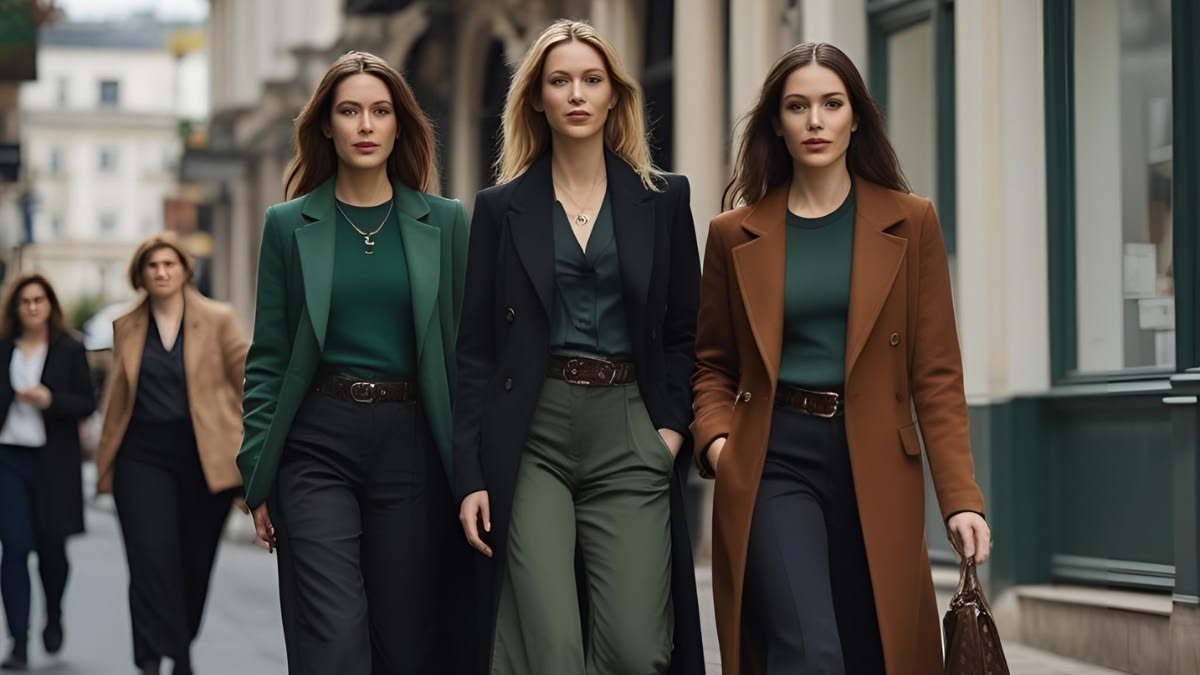
Colors such as chocolate brown, olive green, camel, rust, cream, and warm beige can create a coordinated and sophisticated appearance. These shades often work well with classic neutrals, making them useful additions to a versatile wardrobe.
For example, olive trousers can be paired with a white shirt, while a camel coat can complement black clothing or dark denim. A brown handbag can also introduce warmth into a simple outfit.
You do not need to wear earthy colors from head to toe. A single item, such as a sweater, handbag, scarf, or pair of shoes, can introduce the trend without requiring a complete wardrobe change.
If you enjoy brighter colors, consider combining them with neutral pieces. A colorful blouse with tailored trousers, for example, can create a balanced outfit.
Choose colors based on your preferences, existing clothing, and the occasions for which you dress. A coordinated wardrobe makes it easier to create outfits without constantly purchasing new items.
7. Statement Accessories
Accessories can make a significant difference to an outfit. Even simple clothing can look distinctive when combined with carefully selected jewelry, handbags, belts, scarves, or shoes.
Statement accessories are especially useful for women who want to experiment with fashion without changing their entire wardrobe.
A plain dress can look more formal with elegant earrings and a structured bag. A casual outfit consisting of jeans and a T-shirt can become more polished with a belt, a watch, and clean footwear.
Popular accessory styles include sculptural jewelry, distinctive handbags, bold sunglasses, decorative belts, and colorful scarves.
The key is to create balance. If your clothing already contains bright colors or elaborate patterns, understated accessories may work best. If your outfit is simple, one striking accessory can become the focal point.
Consider the occasion when selecting accessories. Everyday clothing generally benefits from practical pieces, while celebrations and special events may allow more decorative choices.
You do not need a large collection. A few versatile accessories can provide many styling possibilities.
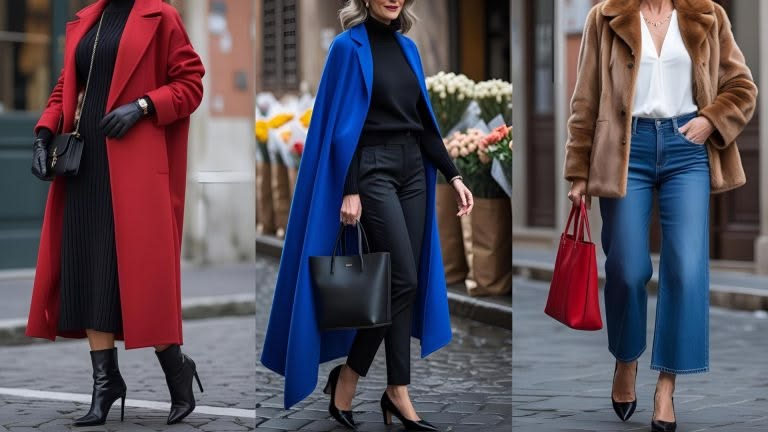
8. Modern Layering
Layering allows women to create more interesting outfits while adapting to changing weather. It is especially useful during transitional seasons when temperatures vary throughout the day.
A layered outfit might include a basic shirt, a cardigan, and a lightweight coat. Another option is wearing a fitted top under an open button-down shirt or combining a dress with a structured jacket.
Layering introduces opportunities to experiment with color, texture, and proportion.
For example, a neutral outfit can become more distinctive with a colored scarf or textured outer layer. Combining denim with knitwear can also create visual interest without requiring complicated patterns.
When layering, consider the weight of each garment. Lightweight pieces generally work well closest to the body, while heavier outerwear provides warmth and structure.
Avoid adding so many layers that the outfit becomes uncomfortable or difficult to move in. The goal is to create a practical combination that looks coordinated.
Layering also helps you wear familiar garments in new ways, increasing the usefulness of your existing wardrobe.
9. Sneakers With Smart Outfits
Sneakers are no longer limited to sportswear and gym clothing. Clean, versatile sneakers can complement many everyday outfits, including some combinations involving tailored trousers, dresses, and blazers.
This trend reflects the growing preference for comfortable footwear that fits modern lifestyles.
White or neutral sneakers are particularly versatile because they work with jeans, casual dresses, wide-leg trousers, and simple skirts.
For example, pairing tailored trousers with a plain shirt and clean sneakers creates a relaxed yet polished appearance. A casual dress with sneakers can also be practical for shopping, sightseeing, or meeting friends.
The most suitable style depends on the occasion. Some professional environments and formal events require traditional footwear, so it is important to consider the dress code.
Keep your sneakers clean and select designs that complement your wardrobe. Extremely athletic shoes may work best with casual outfits, while simpler silhouettes can be easier to style with smart-casual clothing.
Comfortable footwear can help you feel confident and move easily throughout the day.
10. Sustainable and Thoughtful Fashion
Sustainable fashion encourages consumers to consider the environmental and social effects of clothing production and consumption.
For women who want a more thoughtful approach to fashion, this can mean purchasing fewer items, choosing durable garments, repairing clothing, buying secondhand pieces, and using existing wardrobe items more effectively.
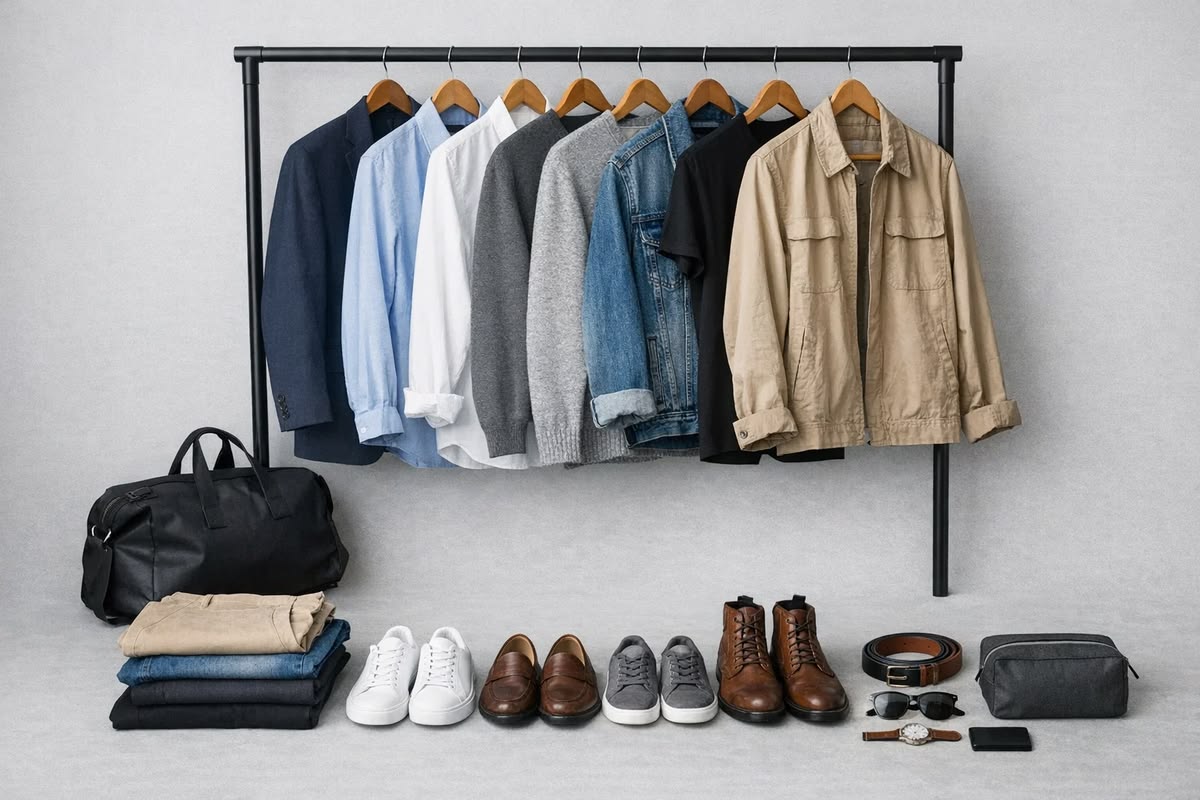
One practical strategy is to create a capsule wardrobe. This involves selecting a relatively small collection of compatible garments that can be combined into numerous outfits.
For example, a few versatile tops, trousers, jeans, a jacket, and suitable shoes may provide enough combinations for many everyday situations.
You can also evaluate new purchases by considering their expected usefulness. A well-made garment that suits your lifestyle may provide more value than several inexpensive items that are rarely worn.
Sustainability is not determined by a single fabric label or price. Manufacturing methods, durability, transportation, washing, and disposal all influence a garment’s overall impact.
The easiest starting point is to use what you already own, care for it properly, and purchase new clothing when it meets a genuine need.
11. Mixing Classic and Contemporary Pieces
One of the most effective ways to look modern without constantly changing your wardrobe is to combine classic clothing with contemporary details.
Classic garments provide a reliable foundation, while selected modern elements introduce freshness.
For example, straight-leg jeans can be paired with a contemporary handbag. A simple black dress can be styled with modern shoes, while a traditional blazer can be worn with relaxed denim.
This approach prevents your wardrobe from feeling outdated while allowing you to maintain a consistent personal style.
It can also make shopping more economical. Instead of replacing your entire collection each season, you can introduce one or two new elements that complement your existing clothing.
The key is choosing trends that naturally fit your preferences. If you enjoy minimalist fashion, a new silhouette or accessory may be enough to refresh your appearance.
Mixing classic and contemporary pieces creates flexibility and allows your wardrobe to evolve gradually.
12. Developing a Personal Fashion Identity
Although fashion trends can provide inspiration, personal style remains one of the most important aspects of dressing well.
Your fashion identity develops through the colors, shapes, fabrics, and accessories you enjoy wearing. It may change as your lifestyle and preferences evolve, but it should not depend entirely on external expectations.
Start by identifying the outfits you wear most often and the pieces that make you feel confident. Consider your daily routine, work requirements, climate, and preferred level of formality.
You can then use fashion trends selectively to introduce new ideas.
For example, if you prefer classic clothing, you might experiment with wide-leg trousers or a modern handbag. If you enjoy colorful outfits, you could explore new color combinations while keeping your favorite silhouettes.
Avoid comparing your wardrobe with carefully styled images on social media. Those images may not reflect the practical needs, budgets, or everyday experiences of real life.
Fashion should help you express yourself, not create pressure to purchase more clothing than you need.
Practical Tips for Following Fashion Trends Wisely
Understanding trends is useful, but applying them thoughtfully is even more important.
Here are several practical habits that can improve your everyday style:
Review your wardrobe regularly. Identify the items you wear most often and notice what is missing.
Plan purchases in advance. Make a list of essential items before shopping to reduce impulse buying.
Choose versatile colors. Select shades that work with multiple garments you already own.
Prioritize comfort. Clothing should suit your daily activities and allow natural movement.
Experiment gradually. Try a new accessory or silhouette before investing in several trend-focused pieces.
Maintain your clothing. Proper washing, storage, and repairs help garments remain wearable for longer.
Dress for the occasion. Consider the setting, weather, and dress code when choosing an outfit.
These habits make it easier to enjoy fashion while maintaining a practical, coordinated wardrobe.
Conclusion
Women’s fashion offers countless opportunities to express individuality, explore creativity, and develop confidence. From minimalist clothing and relaxed silhouettes to wide-leg trousers, modern denim, elegant dresses, and statement accessories, there are many trends worth exploring.
However, no single trend is essential for every woman. The best wardrobe is one that reflects your preferences, fits your lifestyle, and allows you to create outfits comfortably and confidently.
Start with versatile essentials, experiment with colors and accessories, and combine classic pieces with selected contemporary details. Remember that good fit, thoughtful coordination, and proper clothing care can make a greater difference than purchasing the latest collection.
By choosing fashion trends selectively, you can maintain a modern appearance without overspending or losing your personal identity. Ultimately, the most effective fashion approach is the one that helps you feel comfortable, confident, and authentically yourself.


Leave a Reply