

Introduction
Fashion is constantly changing. New clothing styles, colors, shoes, accessories, and outfit ideas appear every season. Social media, fashion influencers, celebrities, and designers often introduce trends that encourage people to update their wardrobes. While following trends can be exciting, it can also become expensive and overwhelming.
The good news is that you do not need to follow every fashion trend to look stylish. True style comes from understanding your preferences, choosing clothes that suit your lifestyle, and wearing outfits that make you feel comfortable and confident. A well-planned wardrobe can help you look fashionable without spending money on every new collection.
Developing your personal style also allows you to make better shopping decisions, reduce unnecessary purchases, and create outfits that remain useful for years. Instead of changing your entire appearance whenever a new trend appears, you can focus on timeless clothing, suitable colors, good fits, and carefully selected accessories.
In this guide, we will explore practical ways to stay stylish without following every fashion trend and explain how to build a wardrobe that reflects your personality.
1. Discover Your Personal Style
The first step toward looking stylish without following trends is understanding your personal style. Everyone has different preferences, lifestyles, and comfort levels. Some people enjoy simple outfits, while others prefer colorful clothing, bold accessories, or creative combinations.
Your personal style should reflect who you are rather than simply copying what other people wear.
Begin by examining the clothes you already enjoy wearing. Identify the colors, silhouettes, fabrics, and outfit combinations that make you feel comfortable. Consider whether you prefer classic elegance, casual minimalism, streetwear, smart-casual clothing, or a combination of different styles.
You can also save outfit ideas that appeal to you and look for similarities between them. Over time, you may notice that you consistently prefer neutral colors, structured jackets, relaxed trousers, or understated accessories.
Once you understand your preferences, shopping becomes easier. You can evaluate new clothing based on whether it fits your style instead of buying something simply because it is popular.
Remember that personal style can evolve. You do not need to follow strict rules or choose one fashion identity forever. The goal is to make clothing choices that feel authentic to you.
2. Invest in Timeless Wardrobe Essentials
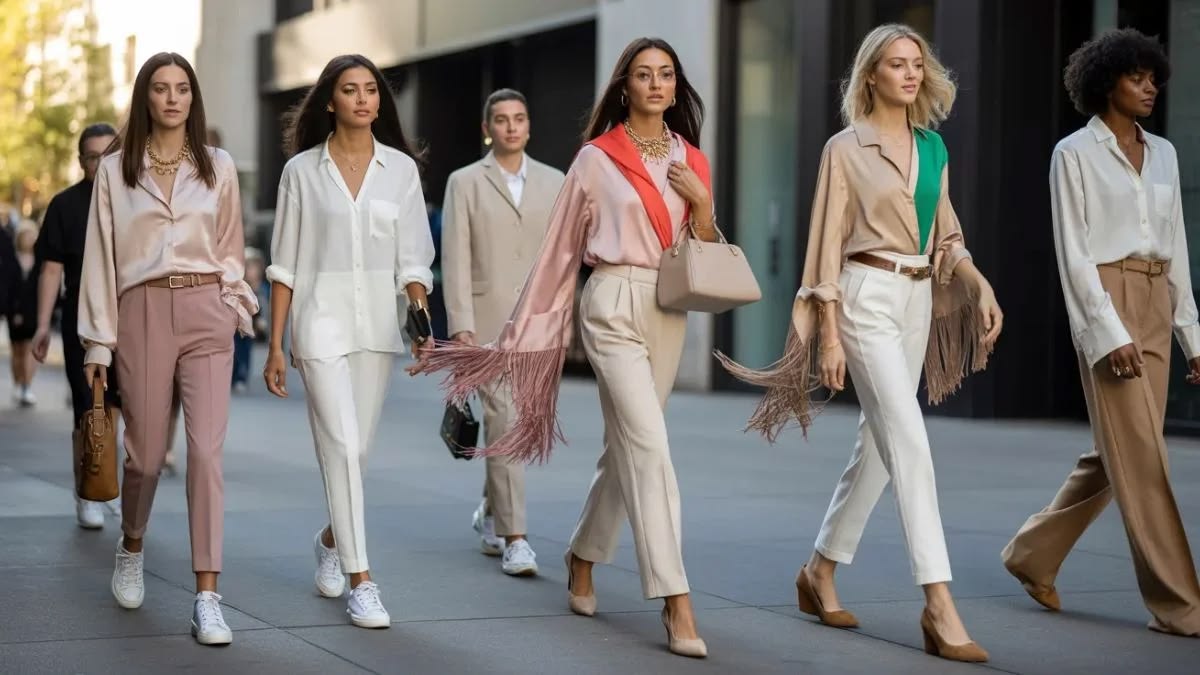
Timeless wardrobe essentials form the foundation of a practical and stylish closet. These are versatile garments that can be worn in different seasons and combined with numerous other pieces.
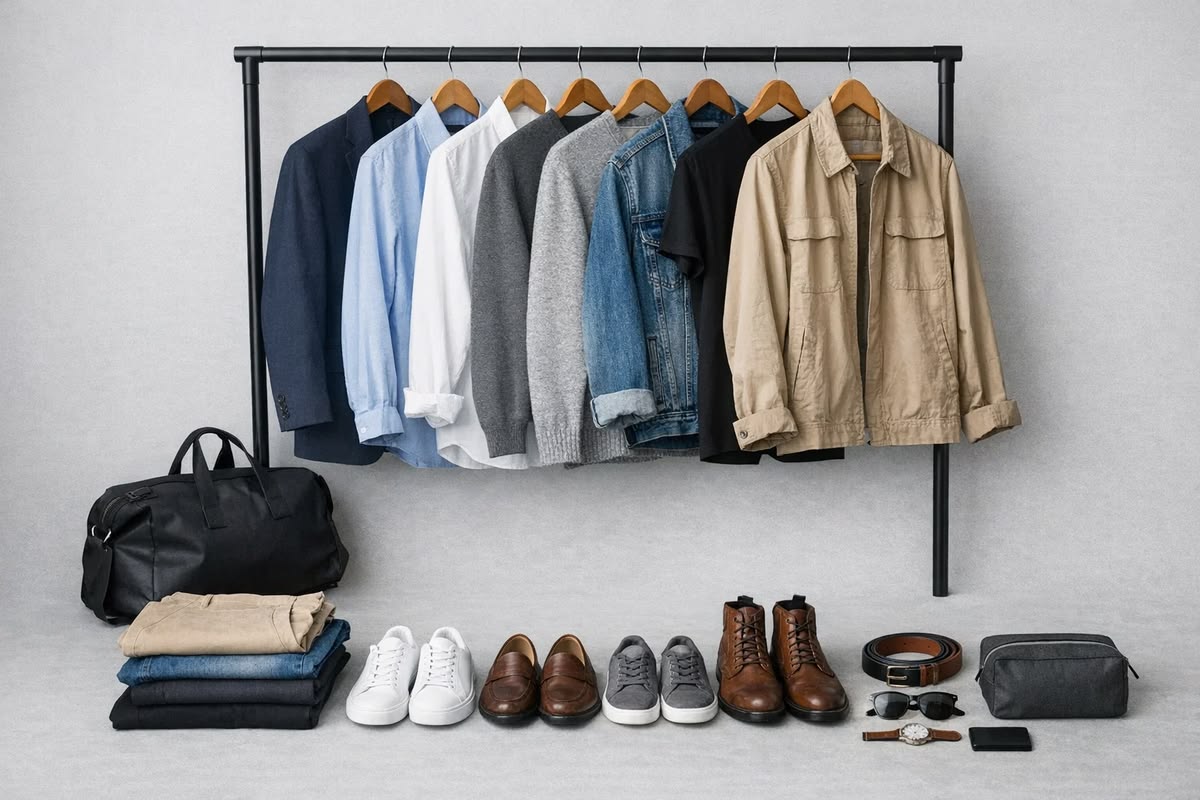
Examples include:
- A well-fitting white or neutral-colored shirt.
- Classic jeans in a comfortable cut.
- Black or navy trousers.
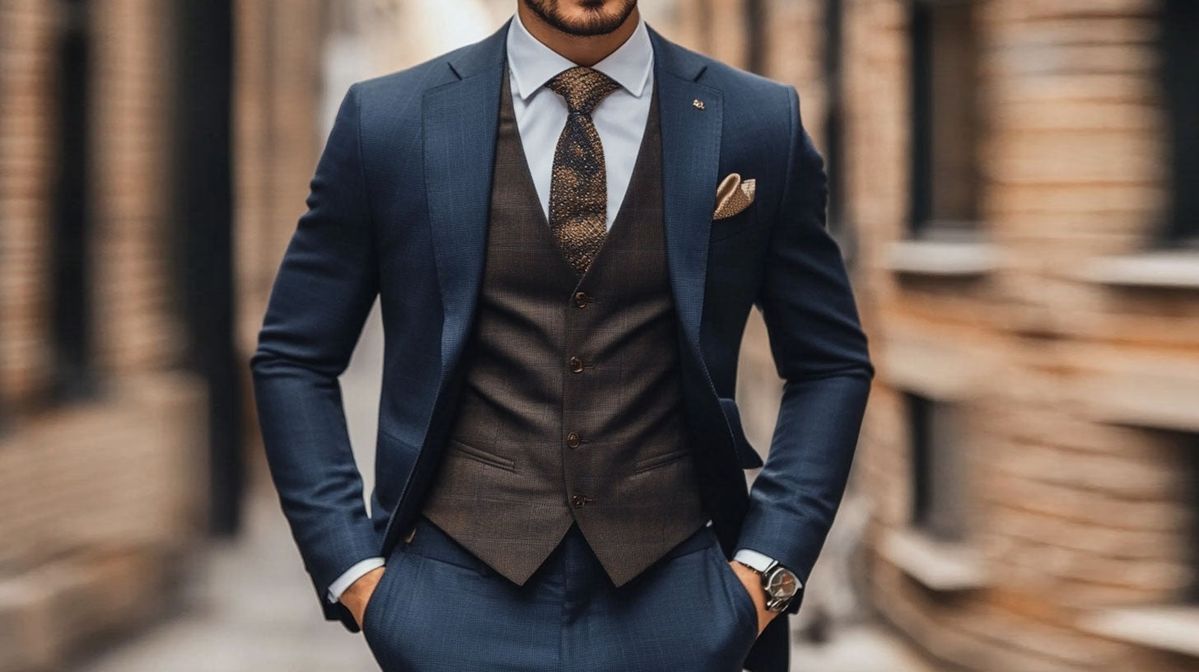
- A versatile jacket or blazer.
- Simple T-shirts in colors you enjoy.
- Comfortable everyday shoes.
- A practical coat suitable for your climate.
- A versatile handbag, backpack, or everyday bag.
You do not need to purchase all these items at once. Start with the essentials that suit your lifestyle and fill genuine gaps in your wardrobe.
When choosing these pieces, prioritize fit, comfort, fabric quality, and versatility. A simple shirt that fits well and works with several outfits may be more useful than an elaborate garment that you rarely wear.
Timeless clothing does not have to be boring. You can introduce personality through accessories, textures, interesting cuts, or distinctive colors while keeping your main wardrobe practical.
Building a collection of reliable essentials allows you to create stylish outfits without depending on seasonal trends.
3. Choose Clothes That Fit Properly
Fit is one of the most important elements of personal style. Even expensive clothing may look unpolished when it does not fit comfortably or suit the intended silhouette.
Clothes should allow you to move naturally without pulling, slipping, or restricting your movement. Pay attention to shoulder seams, sleeve length, trouser length, waist fit, and the overall proportions of an outfit.
The ideal fit depends on the garment and the style you prefer. Oversized clothing can look intentional and fashionable when the proportions are balanced. Similarly, fitted clothing can create a polished appearance when it allows comfortable movement.
For example, a relaxed shirt may work well with straight-leg trousers, while a structured jacket can provide definition to a looser outfit.
If a garment is almost perfect but slightly too long or loose, a simple alteration may make it much more wearable. Basic tailoring can sometimes provide greater value than purchasing an entirely new outfit.
Avoid choosing clothing solely because a particular fit is fashionable. Instead, focus on what feels comfortable and creates the appearance you want.
4. Build a Color Palette for Your Wardrobe
Choosing compatible colors makes it easier to create coordinated outfits. You do not need to wear only black, white, and beige to look stylish. The important thing is to understand which colors work well together and which shades you genuinely enjoy wearing.
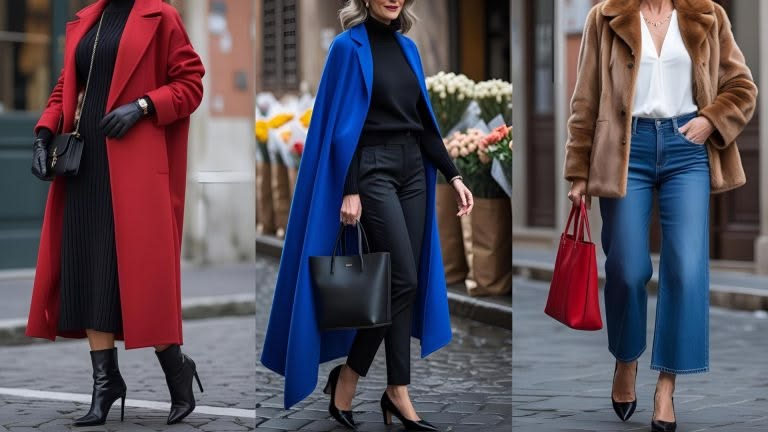
Start by selecting a few colors that form the foundation of your wardrobe. These might include navy, gray, cream, brown, black, or denim blue. Then add complementary colors such as olive green, burgundy, soft pink, or other shades that suit your preferences.
A consistent color palette allows you to combine different garments without spending too much time planning outfits.
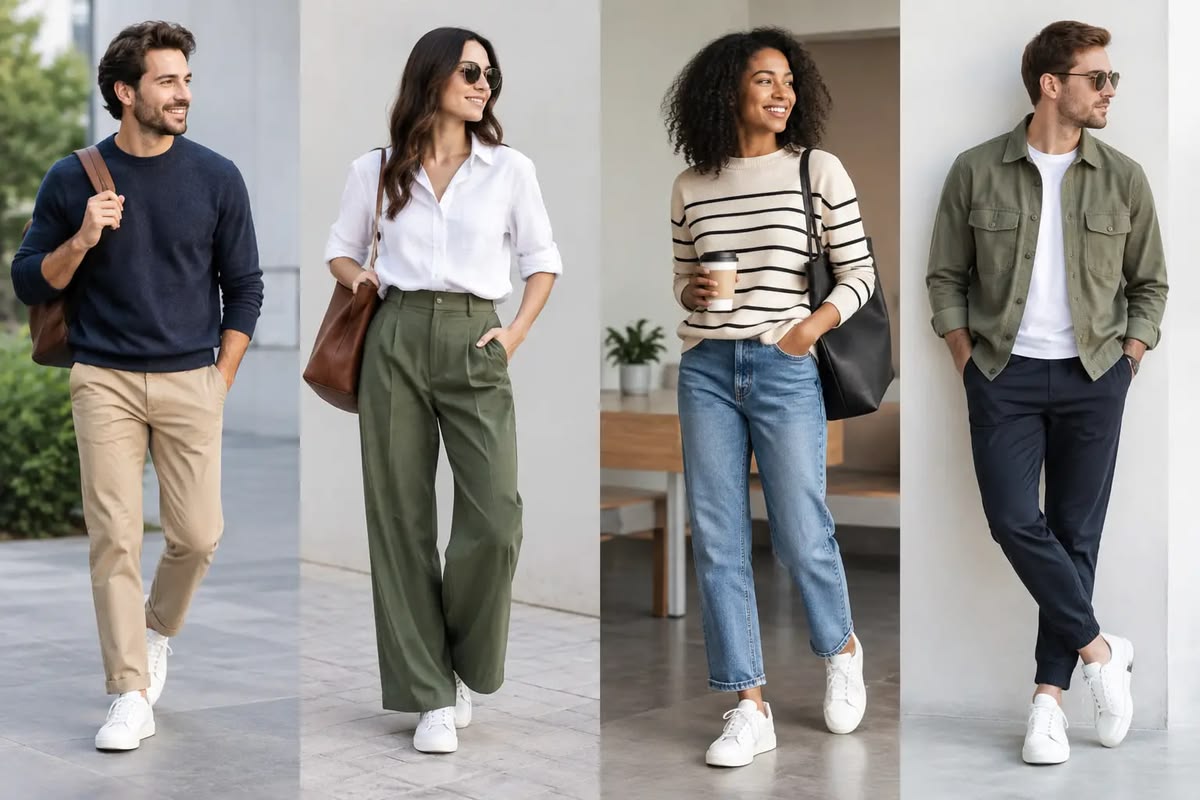
For example, a navy shirt may work with beige trousers, dark jeans, or gray pants. A brown belt or pair of shoes can complement several outfits across the same wardrobe.
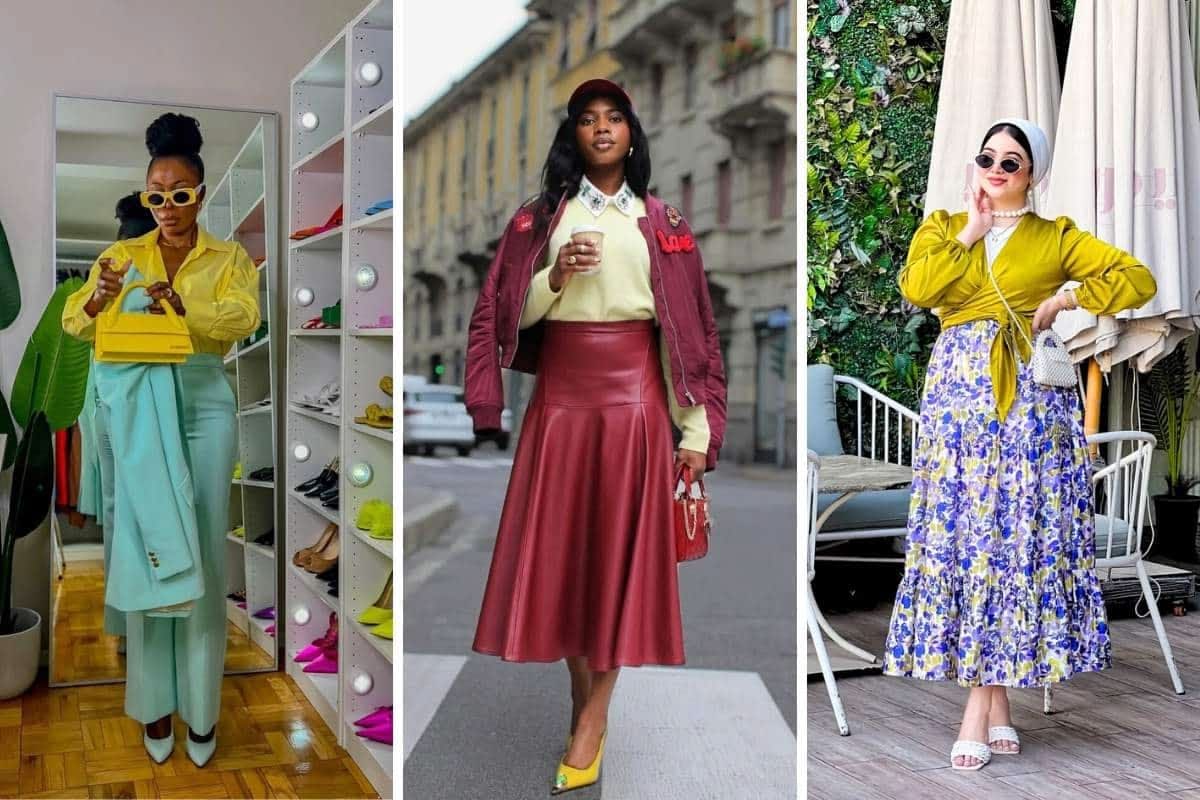
You can also use color to express your personality. If you enjoy bright colors, incorporate them through shirts, scarves, bags, or other statement pieces.
There is no single color palette that suits everyone. Experiment with different shades and pay attention to which ones make you feel confident.
5. Avoid Buying Clothes Just Because They Are Trending
One of the easiest ways to maintain your personal style is to avoid impulse purchases driven by temporary trends.
Fashion marketing often creates excitement around new collections and encourages consumers to purchase items immediately. However, a garment that looks appealing online may not suit your lifestyle, existing wardrobe, or personal preferences.
Before buying a trendy item, ask yourself a few questions:
- Would I wear this if it were not currently popular?
- Can I combine it with at least three items I already own?
- Is it comfortable enough for my daily activities?
- Does it fit my personal style?
- Is the price reasonable for how often I expect to wear it?
If the answers suggest that the item will have limited use, consider skipping it.
This does not mean you should avoid trends entirely. Instead, be selective. Choose trends that genuinely appeal to you and can be incorporated into your existing wardrobe.
For example, if a particular color becomes popular and you like it, you might introduce it through a scarf or shirt rather than purchasing several expensive garments.
Thoughtful shopping helps you maintain a consistent style while avoiding unnecessary spending.
6. Use Accessories to Refresh Simple Outfits
Accessories are an effective way to make familiar clothing feel new. You can create several different looks using the same basic outfit simply by changing the shoes, bag, belt, jewelry, or other finishing details.
For example, a plain shirt and jeans can create a relaxed daytime outfit when paired with sneakers. The same clothing may look more polished with loafers, a structured bag, and a belt.
Accessories also allow you to experiment with fashion without committing to major wardrobe changes.
Useful accessories include:
- Belts that complement your clothing.
- Watches with versatile designs.
- Simple necklaces, bracelets, or earrings.
- Scarves in coordinating colors.
- Handbags or backpacks suited to your needs.
- Sunglasses that are comfortable and appropriate for your face shape.
- Shoes that work with multiple outfits.
You do not need to wear every accessory at once. Often, one or two carefully selected pieces are enough to complete an outfit.
The best accessories are those you can use repeatedly with different clothing combinations.
7. Learn the Art of Layering
Layering can make simple clothing look more interesting while allowing you to adapt to changing weather.
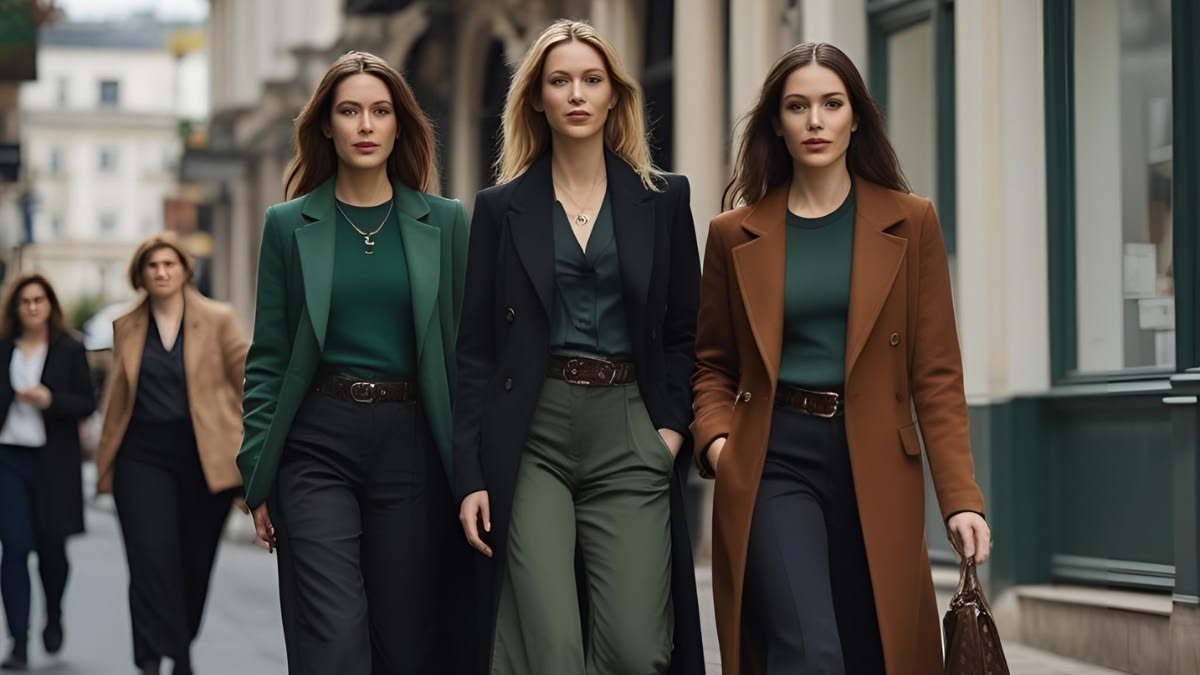
A basic outfit can become more polished by adding a lightweight jacket, cardigan, overshirt, scarf, or coat. Layering also helps you reuse familiar clothing in different combinations.
For example, a plain T-shirt and jeans can be worn alone during warm weather or combined with a jacket when temperatures drop. A button-down shirt can be worn independently, layered over a T-shirt, or placed under a sweater.
Successful layering depends on proportions and comfort. Avoid combining too many bulky pieces if they make movement difficult. Instead, select garments with complementary lengths, textures, and weights.
You can also use layering to introduce color into a neutral outfit. A subtle colored jacket or scarf can add visual interest without changing the overall simplicity of your wardrobe.
Consider your local climate when planning layers. Lightweight fabrics are useful in warmer conditions, while insulating layers are more practical in colder weather.
Learning a few reliable layering combinations can significantly increase the number of outfits you can create.
8. Take Proper Care of Your Clothes
Looking stylish is not only about what you purchase. It is also about how you maintain the clothing you already own.
Clean, well-maintained garments generally create a more polished impression than clothes that are stained, wrinkled, damaged, or poorly stored.
Follow the care instructions on clothing labels. Some fabrics require gentle washing, lower temperatures, or special drying methods. Avoid washing garments more frequently than necessary when doing so could cause premature wear, while always maintaining appropriate hygiene.
Simple habits can help extend the life of your wardrobe:
- Remove stains promptly using suitable methods.
- Repair loose buttons and minor stitching problems.
- Store knitwear in a way that prevents stretching.
- Hang garments that wrinkle easily.
- Fold clothing that may lose its shape on hangers.
- Keep shoes clean and maintain them according to their materials.
- Rotate frequently worn items to distribute wear.
Proper care also helps protect the money you have already spent on clothing.
You do not need an expensive wardrobe to look fashionable. Taking care of affordable, well-chosen garments can be just as valuable as buying new pieces.
9. Create Multiple Outfits From the Same Clothes
A stylish wardrobe does not need to contain hundreds of items. What matters is how effectively you can combine the clothing you own.
Creating multiple outfits from the same garments helps you save money, reduce clutter, and make daily dressing easier.
Start by selecting a few versatile items and experimenting with different combinations.
For example, one pair of dark jeans could be worn with a plain T-shirt, a button-down shirt, a sweater, or a casual jacket. Each combination creates a different appearance while relying on the same basic garment.
You can also use accessories to change the mood of an outfit. Sneakers may make an outfit look casual, while more structured footwear can create a smarter appearance.
Try planning outfits for different situations, including work, casual outings, family gatherings, and social events. This will help you identify which clothing pieces are especially useful.
If you frequently struggle to find something to wear despite owning many clothes, your wardrobe may contain too many items that do not work together.
A smaller collection of compatible pieces can be more practical than a larger collection of unrelated garments.
10. Prioritize Comfort and Confidence
Comfort plays a major role in how you present yourself. Clothing that feels restrictive, uncomfortable, or unsuitable for your daily activities can make it difficult to enjoy your outfit.
When selecting clothing, consider the fabric, weather, occasion, and amount of movement required throughout the day.
For example, someone who spends many hours walking may benefit from comfortable shoes and breathable fabrics. Someone working in a professional environment may prefer structured clothing that remains comfortable during long periods of sitting.
Confidence also comes from choosing clothes that reflect your personality rather than trying to imitate someone else’s appearance.
You can appreciate celebrity outfits, fashion influencers, and designer collections without copying them completely. Use their ideas as inspiration and adapt them to your own circumstances.
A simple outfit worn with confidence can be just as effective as a complicated look built around expensive trends.
Developing confidence in your choices makes it easier to ignore pressure to constantly update your appearance.
11. Shop With a Clear Budget and Plan
A thoughtful shopping plan helps you maintain your style without overspending.
Before shopping, review your wardrobe and identify what you genuinely need. You may discover that you already own suitable clothing but need a versatile pair of shoes or a jacket that works with several outfits.
Make a list of priorities and set a realistic budget. Avoid spending money reserved for essential expenses simply to purchase fashionable clothing.
It can also be useful to calculate the cost per wear of an item. A garment that costs more initially may provide better value if it is durable and worn frequently, although price alone does not guarantee quality.
For example, a versatile jacket used throughout several seasons may offer greater practical value than an inexpensive statement piece worn only once.
Consider secondhand shopping, clothing exchanges, and repairing existing garments when appropriate. These options can help you find useful pieces while reducing waste.
A planned approach allows you to build your wardrobe gradually instead of making frequent, unplanned purchases.
12. Develop a Signature Look
A signature look is a recognizable combination of clothing choices that reflects your personal style. It does not have to be complicated or identical every day.
Some people prefer neutral colors and clean silhouettes. Others enjoy distinctive shoes, colorful accessories, structured jackets, or particular patterns.
To develop your signature look, identify two or three elements you consistently enjoy wearing. These could be a preferred color palette, a particular trouser shape, simple jewelry, or comfortable footwear.
You can then build outfits around those elements while experimenting with different garments when you feel inspired.
A signature look provides consistency without limiting creativity. You can still try new styles, but your wardrobe retains a sense of identity.
Over time, this approach can make shopping easier because you will have a clearer idea of what suits you.
Conclusion
Staying stylish does not require following every fashion trend or replacing your wardrobe each season. It requires understanding your personal preferences, choosing versatile clothing, paying attention to fit, and making thoughtful decisions about what you wear.
Timeless wardrobe essentials, coordinated colors, carefully selected accessories, and effective layering can help you create a wide range of outfits with fewer items. Proper clothing care and planned shopping can also save money while helping your garments last longer.
Most importantly, fashion should support your lifestyle rather than create unnecessary pressure. You can take inspiration from new trends without allowing them to determine every purchase.
By focusing on comfort, confidence, versatility, and individuality, you can develop a personal style that remains attractive even as fashion changes. The goal is not to wear everything that is popular. It is to discover what works for you and wear it well.


Leave a Reply