

Introduction
Fashion is constantly evolving, reflecting changes in culture, lifestyle, technology, and personal expression. Every year, new clothing styles, colors, fabrics, and accessories influence how people dress. However, modern fashion is not simply about following the latest trends. It is about finding a balance between comfort, individuality, practicality, and elegance.
Today’s fashion-conscious individuals are increasingly interested in creating wardrobes that reflect their personalities while remaining versatile enough for everyday life. From minimalist outfits and relaxed tailoring to expressive accessories and sustainable clothing, modern style offers something for everyone.
Understanding current fashion trends can help you make smarter wardrobe choices, experiment with new looks, and develop a personal style that feels authentic. Whether you prefer classic elegance, casual streetwear, or bold statement pieces, the key is to choose trends that complement your lifestyle.
In this guide, we explore the top fashion trends shaping modern style and explain how you can incorporate them into your wardrobe.
1. Minimalist Fashion and Clean Silhouettes
Minimalist fashion remains an important influence on modern style. This approach focuses on simplicity, thoughtful clothing choices, clean lines, and versatile pieces rather than excessive decoration.
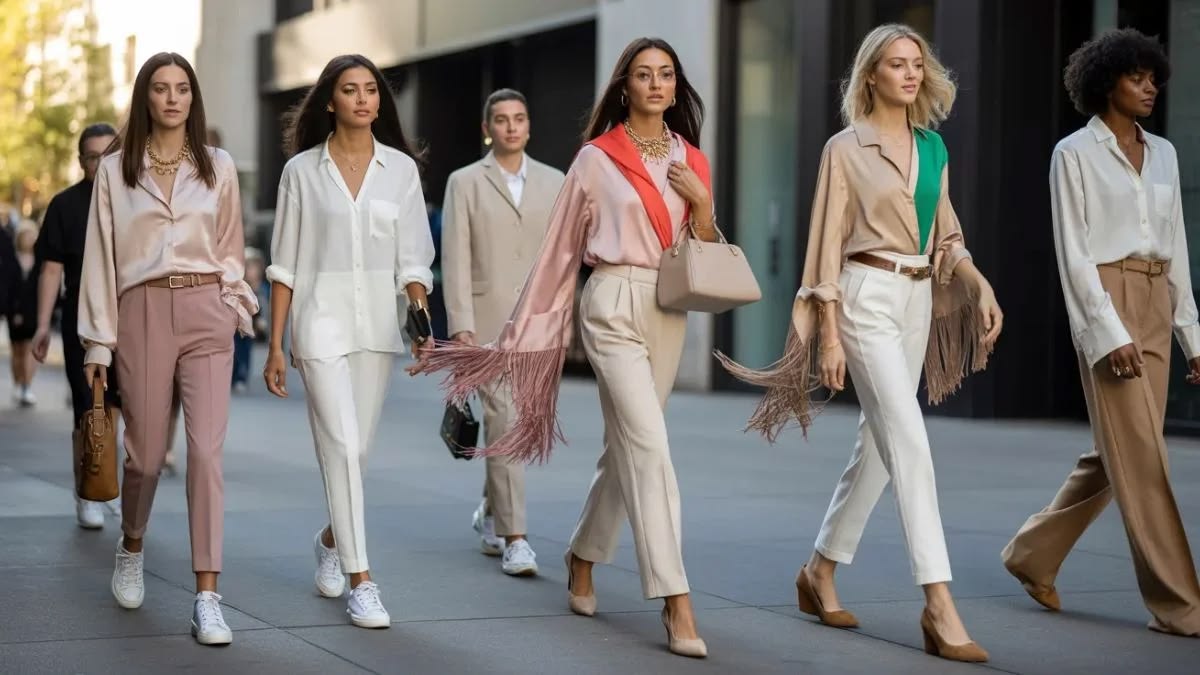
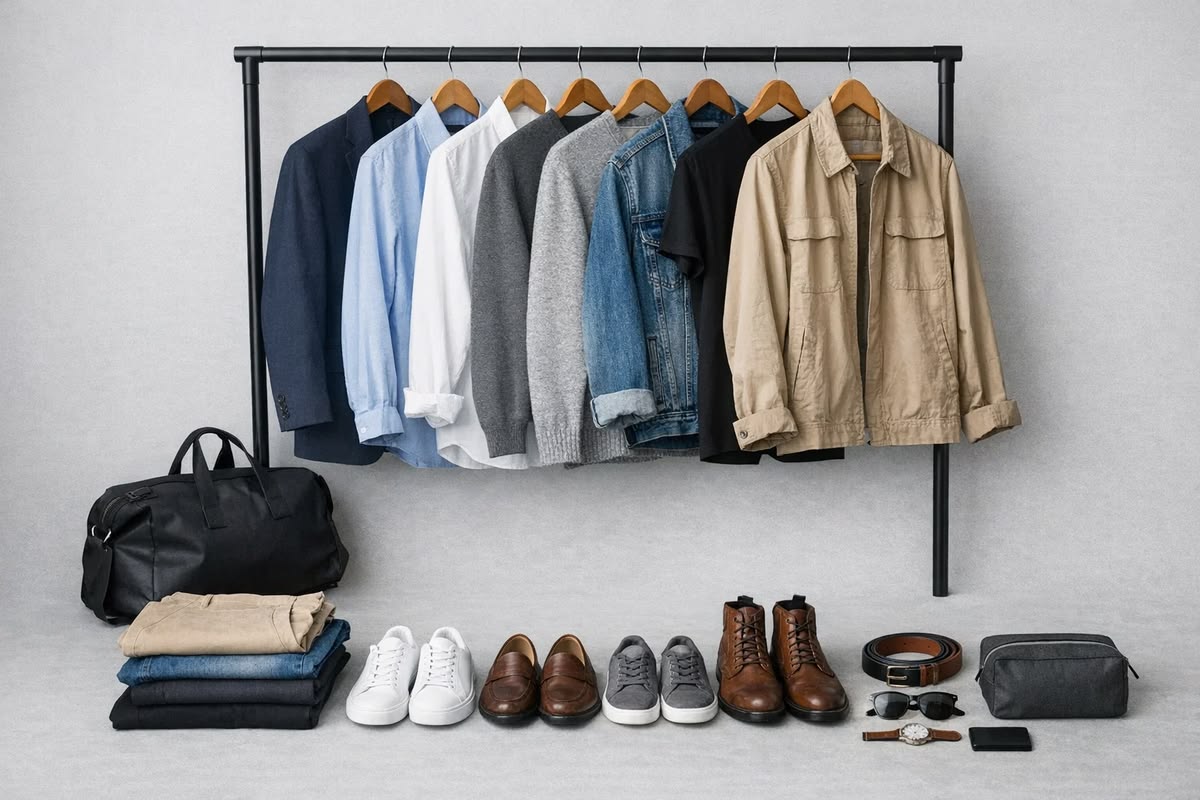
A minimalist wardrobe often includes neutral colors, well-fitted trousers, plain shirts, structured jackets, simple dresses, and understated accessories. These items can be combined in numerous ways, making it easier to create polished outfits without owning an excessive amount of clothing.
Popular minimalist colors include black, white, beige, navy, gray, and cream. These shades work well together and provide a foundation for experimenting with different textures and silhouettes.
To incorporate minimalist fashion into your everyday wardrobe, begin with a few essential pieces that fit comfortably and suit your personal style. Add subtle accessories or introduce one interesting texture to prevent your outfits from looking repetitive.
Minimalism is particularly useful for people who want a practical wardrobe that works for different occasions.
2. Relaxed Tailoring and Comfortable Clothing
Modern fashion increasingly combines traditional elegance with everyday comfort. Relaxed tailoring is a good example of this development.
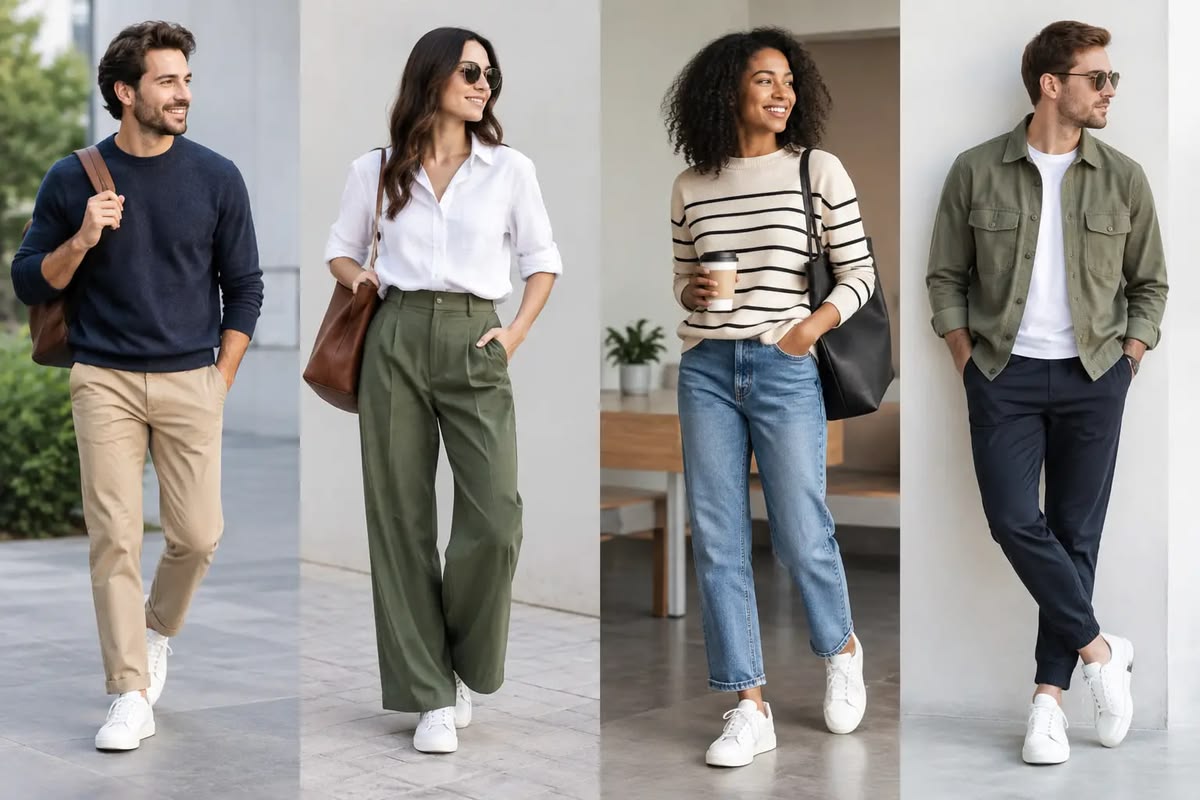
Instead of extremely tight or rigid clothing, relaxed tailoring uses comfortable cuts while maintaining a polished appearance. Examples include wide-leg trousers, slightly oversized blazers, loose button-down shirts, and softly structured coats.
These pieces can create sophisticated outfits without restricting movement. A relaxed blazer paired with straight-leg jeans and simple shoes, for example, can work well for casual meetings, shopping, or social occasions.
The key is balance. If you choose an oversized top, consider pairing it with more structured trousers or a defined waistline. Similarly, wide-leg pants can look especially balanced with a fitted top or a neatly tucked shirt.
Relaxed tailoring is a practical choice for people who want to look refined without sacrificing comfort.
3. Sustainable and Responsible Fashion
Sustainability has become an important consideration for many fashion consumers. Rather than purchasing new clothing whenever trends change, people are increasingly exploring ways to make their wardrobes more responsible.
Sustainable fashion can involve buying fewer but more versatile garments, repairing damaged clothing, purchasing secondhand items, and choosing durable products when possible.
Natural fibers, recycled materials, and fabrics produced through more responsible manufacturing processes may also appeal to shoppers who want to reduce the environmental impact of their purchases. However, a material’s sustainability depends on several factors, including production methods, durability, transportation, and how the garment is maintained.
You do not need to replace your entire wardrobe to make more thoughtful choices. Start by identifying the clothes you wear most frequently and investing in pieces that complement them.
Taking proper care of your garments can also extend their useful life. Follow washing instructions, store clothes appropriately, and repair minor damage when practical.
Responsible fashion encourages people to think beyond temporary trends and focus on long-term value.
4. Statement Accessories
Accessories can transform an ordinary outfit into something more distinctive. In modern fashion, statement accessories provide an opportunity to express individuality without completely changing your wardrobe.
Examples include sculptural earrings, bold necklaces, distinctive handbags, decorative belts, colorful scarves, and eye-catching sunglasses.
A simple outfit consisting of a plain shirt and tailored trousers can look entirely different when paired with a striking bag or an interesting necklace.
The secret to styling statement accessories is to create balance. If your outfit already includes bright colors, bold patterns, or elaborate details, choose accessories that complement rather than compete with those elements.
For a more understated appearance, use one statement accessory as the focal point. For a more expressive style, combine multiple accessories while keeping their colors or overall aesthetic coordinated.
Accessories are also an affordable way to experiment with changing fashion trends because they can be replaced or restyled more easily than major wardrobe items.
5. Wide-Leg Trousers and Versatile Denim
Trousers play an important role in modern everyday fashion. Wide-leg trousers and relaxed denim styles offer a comfortable alternative to very tight silhouettes.
Wide-leg trousers can create an elegant appearance when paired with fitted tops, tucked-in shirts, lightweight knitwear, or structured jackets. Depending on the fabric and design, they can be suitable for professional settings, social events, and casual outings.
Denim also remains a versatile wardrobe staple. Straight-leg jeans, relaxed-fit jeans, and classic dark-wash denim can be styled with everything from sneakers and T-shirts to loafers and tailored coats.
When choosing trousers, consider the rise, length, fabric, and overall proportions. The most flattering option is not necessarily the trendiest one; it is the style that fits comfortably and works with the clothes you already own.
For a balanced outfit, pay attention to how your top and bottom pieces interact. A defined waist, appropriate hem length, and suitable footwear can make a significant difference.
6. Earthy Colors and Natural Tones
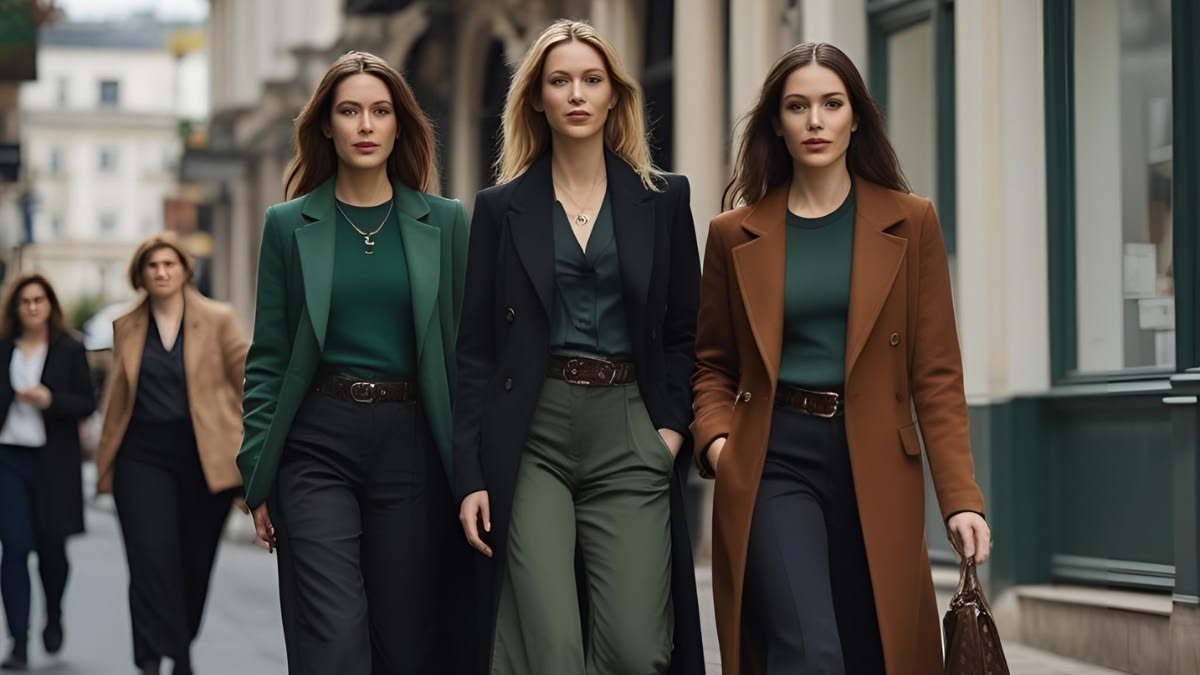
Color strongly influences the overall impression of an outfit. Earthy shades such as olive green, chocolate brown, rust, tan, sand, and warm beige continue to appeal to people who prefer versatile, natural-looking clothing.
These colors are easy to incorporate into everyday wardrobes because they often coordinate well with neutral shades.
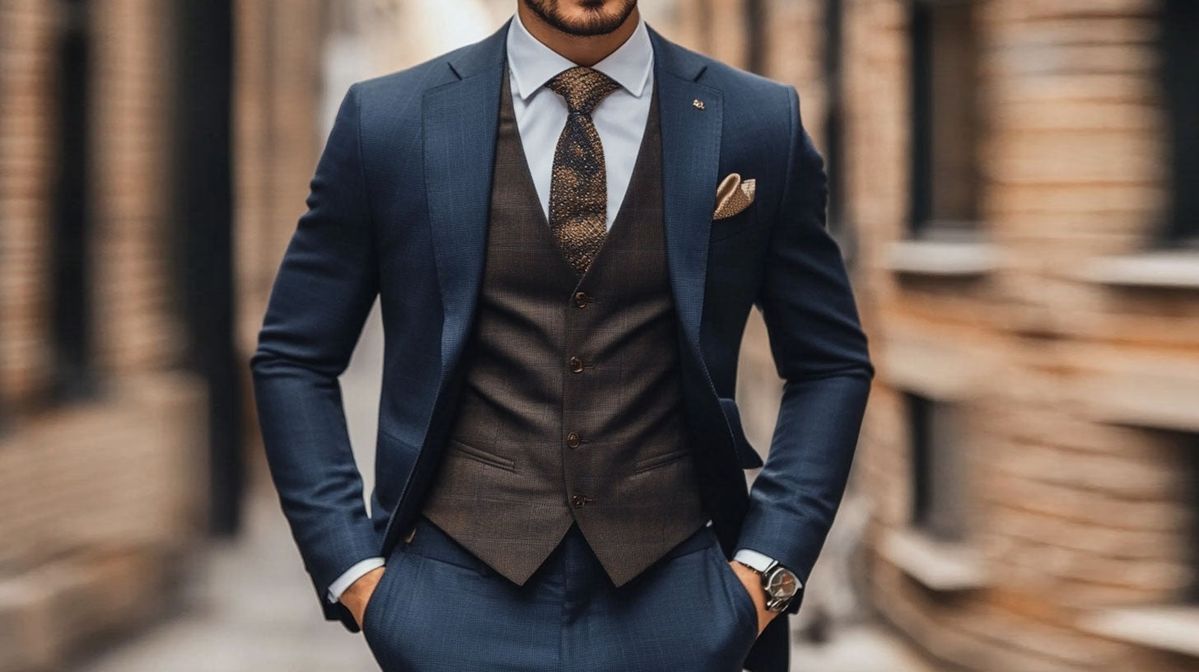
For example, olive trousers can work with a white shirt, while a chocolate-brown jacket can complement cream knitwear and dark denim. A tan handbag or belt can also introduce warmth into a mostly neutral outfit.
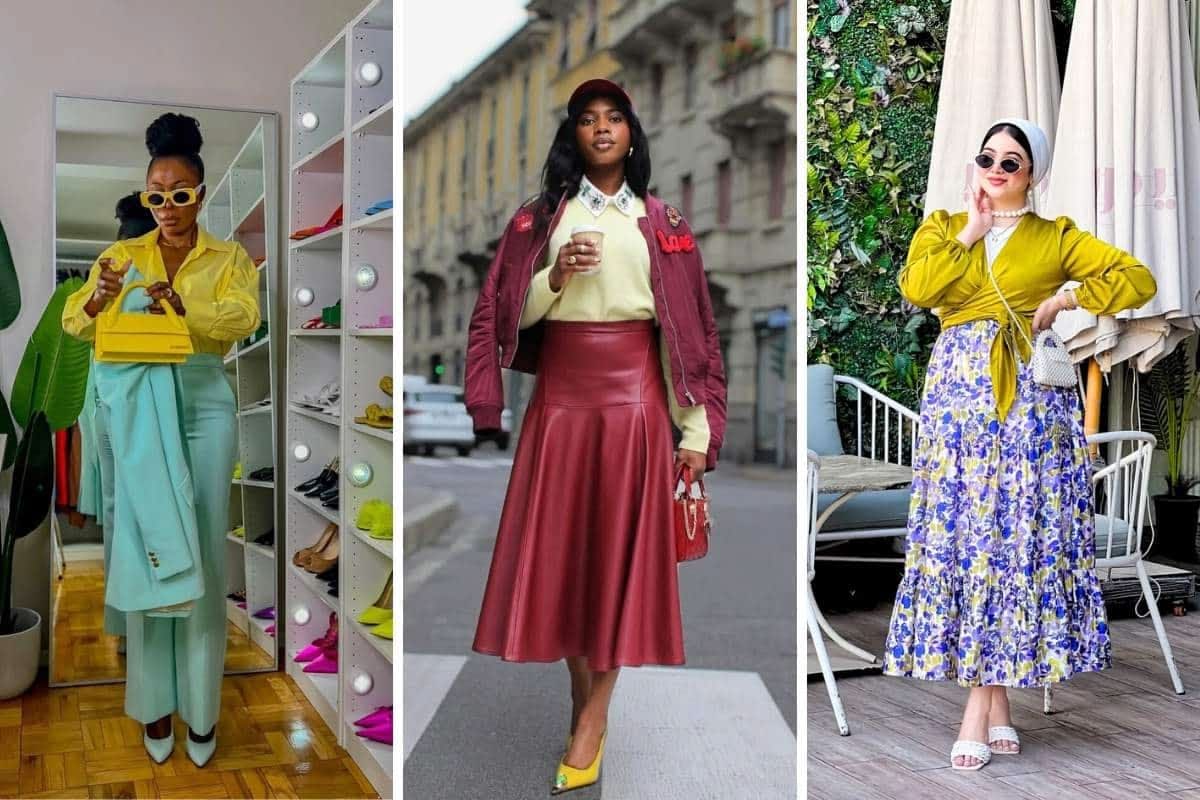
You can wear earthy tones together for a coordinated appearance or combine them with brighter colors for contrast.
When choosing colors, consider your existing wardrobe rather than purchasing every shade that appears fashionable. A new item becomes more useful when it works with several garments you already own.
Although color trends change, choosing shades you enjoy wearing can help you create outfits that feel personal and timeless.
7. Layering for Style and Practicality
Layering is one of the most useful techniques in modern fashion. It allows you to adjust your outfit to changing temperatures while adding depth and visual interest.
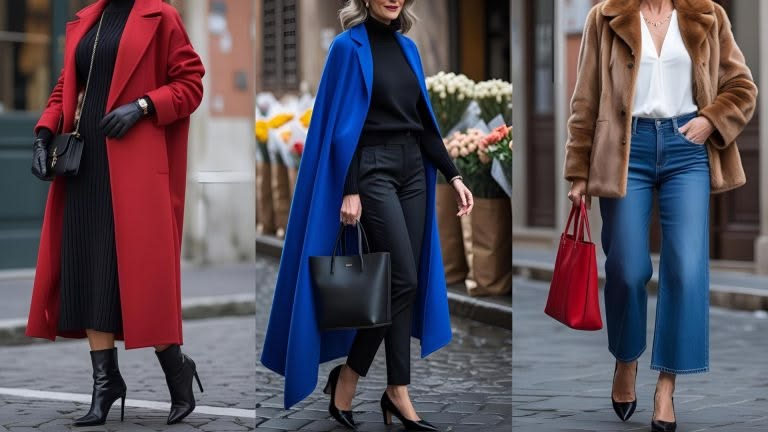
A simple layered outfit might include a T-shirt, an open button-down shirt, and a lightweight jacket. During colder weather, you could combine knitwear with a long coat and a scarf.
Successful layering depends on selecting pieces that work together in weight, length, and proportion. Lightweight items generally work well closest to the body, while heavier outerwear can provide structure.
Color coordination also matters. Using two or three complementary colors can create a more cohesive appearance, while mixing textures adds interest without requiring bold patterns.
For example, combining denim, cotton, and knitwear can make a neutral outfit more visually appealing.
Layering works especially well during transitional seasons when temperatures vary throughout the day. It also helps you use existing wardrobe pieces in more combinations.
8. Modern Streetwear and Casual Style
Streetwear continues to influence everyday clothing through its emphasis on comfort, sneakers, relaxed silhouettes, graphic designs, and individual expression.
Modern streetwear can range from simple and understated to colorful and experimental. A basic version might include clean sneakers, straight-leg jeans, a plain T-shirt, and a lightweight jacket.
For a more expressive outfit, you could introduce a graphic sweatshirt, a statement cap, or a distinctive crossbody bag.
The key to wearing streetwear successfully is to choose pieces that fit your lifestyle and personal preferences. You do not need to purchase expensive branded clothing to achieve a stylish appearance.
Fit, cleanliness, coordination, and confidence often have a greater effect on an outfit than the price of individual items.
Streetwear can also be combined with more formal pieces. For example, pairing tailored trousers with clean sneakers creates a modern look that balances casual and polished elements.
9. Textures and Fabric Combinations
Texture is an effective way to make an outfit interesting without relying on bright colors or complicated patterns.
Modern styling often combines fabrics with different visual and tactile qualities. Examples include denim with knitwear, cotton with leather-look materials, linen with structured accessories, or smooth satin-like fabrics with heavier outerwear.
These combinations create contrast and make simple outfits appear more considered.
For example, a monochrome outfit in different textures can feel more sophisticated than an outfit made entirely from identical fabrics. A cream knit sweater paired with tailored trousers and a textured handbag illustrates how subtle differences can create visual depth.
When combining fabrics, consider the season and occasion. Breathable cotton and linen can work well in warmer weather, while wool blends and heavier knits are useful in colder conditions.
Choosing fabrics that feel comfortable against your skin is just as important as their appearance.
10. Personal Style Over Temporary Trends
One of the most important principles of modern fashion is the growing emphasis on individuality.
Fashion trends can provide inspiration, but personal style helps you decide which trends deserve a place in your wardrobe. Your clothing choices should reflect your daily activities, comfort preferences, personality, and budget.
Start by identifying the outfits you naturally enjoy wearing. Notice which colors, shapes, and fabrics make you feel comfortable and confident.
You can then experiment with new trends gradually. Try a different trouser shape, introduce an unfamiliar color, or accessorize an outfit in a new way before making larger purchases.
It is also useful to review your wardrobe periodically. Remove or repurpose items you no longer wear, identify missing essentials, and avoid purchasing clothing simply because it is popular.
Developing personal style is an ongoing process. It becomes easier when you understand your preferences and make deliberate choices rather than constantly chasing new releases.
How to Incorporate Fashion Trends Into Your Wardrobe
Following fashion trends does not require an expensive wardrobe or frequent shopping trips. A thoughtful approach can help you enjoy modern style while keeping your clothing practical.
Begin with wardrobe essentials. Build a foundation of versatile garments, such as well-fitting jeans, neutral tops, comfortable shoes, and an appropriate jacket.
Choose trends selectively. Before purchasing a trendy item, consider whether it suits your lifestyle and whether you can style it in at least three different ways.
Pay attention to fit. Clothing that fits comfortably and complements your proportions often looks more polished than an expensive garment with an unsuitable fit.
Experiment with accessories. Belts, bags, scarves, jewelry, and shoes allow you to explore new looks without replacing your entire wardrobe.
Set a clothing budget. Planning purchases helps prevent impulse shopping and encourages you to prioritize useful items.
Take care of your clothes. Appropriate washing, storage, and minor repairs can help your favorite garments last longer.
These habits make it easier to adapt to changing fashion trends while maintaining a consistent personal style.
Conclusion
Modern fashion is about more than wearing whatever happens to be popular. It combines comfort, versatility, creativity, and personal expression to help people dress in ways that suit their everyday lives.
Minimalist clothing, relaxed tailoring, responsible shopping, statement accessories, wide-leg trousers, earthy colors, layering, and modern streetwear all offer opportunities to refresh your wardrobe. Texture combinations and thoughtful styling can also make simple outfits feel distinctive.
However, no trend is essential for everyone. The most effective approach is to identify the styles that complement your personality, fit your budget, and work with the clothing you already own.
By choosing trends selectively and focusing on quality, fit, and versatility, you can build a wardrobe that feels contemporary without losing its individuality. Modern style is ultimately about wearing clothes that make you feel comfortable, confident, and authentic.


Leave a Reply