
Introduction
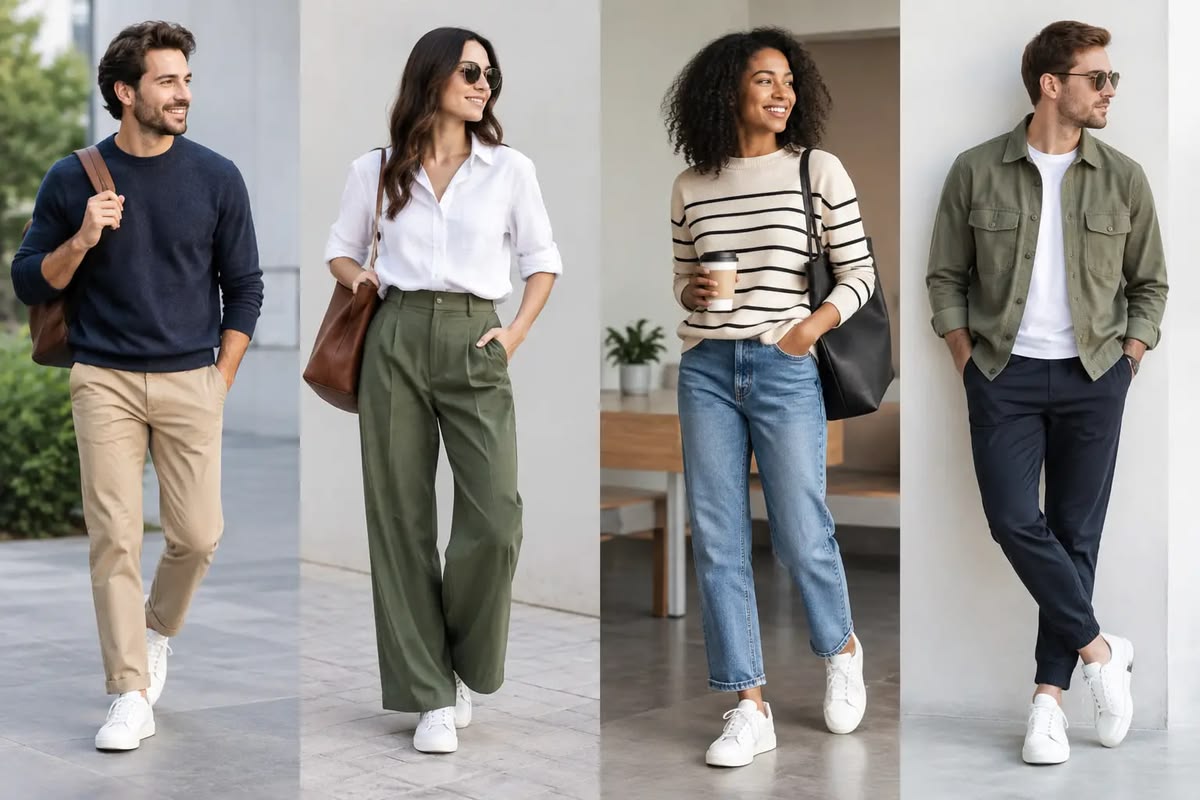
Casual clothing is an essential part of every man’s wardrobe. Whether you are going shopping, meeting friends, traveling, attending a casual gathering, or simply spending time outdoors, the right outfit can help you look stylish while staying comfortable.
Looking good every day does not require expensive designer clothing or a large collection of outfits. With a few versatile wardrobe essentials and some basic styling knowledge, you can create numerous combinations that suit different activities and personal preferences.
The secret to stylish casual dressing is choosing clothes that fit properly, coordinating colors, selecting appropriate footwear, and paying attention to small details. Even a simple T-shirt and jeans combination can look polished when the pieces work well together.
In this guide, we will explore practical casual outfit ideas for men, explain how to combine everyday clothing, and share tips for building a versatile wardrobe without overspending.
1. The Classic T-Shirt and Jeans Combination
A T-shirt paired with jeans is one of the most reliable casual outfits for men. It is comfortable, easy to style, and suitable for many everyday activities.
For a timeless look, choose a plain T-shirt in white, black, gray, or navy. Pair it with well-fitting jeans and clean sneakers.
A white T-shirt with dark blue jeans creates a simple, balanced appearance. A black T-shirt with medium-wash denim offers a slightly darker and more understated combination.
The fit of both pieces matters. Your T-shirt should sit comfortably around the shoulders and chest, while your jeans should allow natural movement without being excessively tight or loose.
You can also add a casual jacket when the weather requires another layer. A denim jacket, lightweight bomber, or simple overshirt can make the outfit more interesting without adding too much complexity.
For footwear, white sneakers are a versatile choice, although other clean, comfortable shoes can work equally well.
This combination is ideal for shopping, casual outings, meeting friends, and everyday errands.
The best part is that you can create multiple outfits simply by changing the T-shirt color, jeans, shoes, or outer layer.
2. Smart-Casual Outfits With Chinos
Chinos are an excellent alternative to jeans when you want a slightly more polished appearance without wearing formal trousers.
They combine well with T-shirts, polo shirts, button-up shirts, and lightweight sweaters.
For an everyday smart-casual outfit, try beige chinos with a navy polo shirt and clean sneakers. This combination creates a balanced look without appearing overly formal.
Another option is navy chinos paired with a white shirt and brown loafers. This outfit may be suitable for casual dinners, social gatherings, or informal workplace environments.
Gray chinos can also work with black, white, blue, and many other colors.
When selecting chinos, pay attention to the waist, leg length, and overall fit. The trousers should feel comfortable while maintaining a shape that complements your preferred style.
Avoid choosing trousers based only on current trends. A versatile pair that works with several items in your wardrobe will usually provide more value.
Chinos are particularly useful for men who frequently move between relaxed and slightly formal environments.
With a few different tops and footwear options, one pair of chinos can become the foundation for many stylish outfits.
3. Polo Shirts for a Refined Casual Look
Polo shirts provide a practical middle ground between basic T-shirts and traditional button-up shirts.
They are comfortable enough for everyday wear but can create a slightly more structured appearance than many ordinary T-shirts.
A plain navy, white, black, or olive polo shirt is a useful wardrobe addition. Pair it with chinos for a coordinated outfit or with jeans for a relaxed weekend look.
For example, a white polo shirt with navy trousers and simple sneakers creates a clean combination. A black polo shirt with beige chinos provides a contrasting look that is easy to wear.
Fit is important when choosing a polo shirt. The shoulder seams should sit appropriately, and the sleeves should allow comfortable movement without excessive tightness.
Avoid wearing a polo shirt that is so long that it creates an unbalanced silhouette, unless you intentionally prefer a longer style.
Polo shirts can be useful for family gatherings, casual lunches, travel, and informal social occasions.
Choose breathable fabric when possible, especially if you live in a warm climate. Follow the care label to help maintain the shirt’s shape and appearance.
4. Casual Button-Up Shirts
Button-up shirts are not limited to formal clothing. They can also create stylish casual outfits when paired with jeans, chinos, or other relaxed trousers.
A light-blue Oxford shirt, for example, can be worn with dark jeans and casual shoes for a neat everyday appearance.
For a more relaxed look, leave the shirt untucked when its length and cut are suitable. You can also roll the sleeves when the weather is warm or when you prefer a less formal appearance.
Checked shirts and subtle stripes provide additional variety. Pair a patterned shirt with plain trousers to keep the outfit balanced.
An overshirt can also work well as a lightweight outer layer. Wear it open over a basic T-shirt with jeans or chinos.
When choosing a casual shirt, consider the fabric, pattern, fit, and intended use. Lightweight cotton may be useful for warm weather, while heavier materials can work well during cooler months.
Avoid combining too many competing patterns in one outfit. A simple shirt with coordinated trousers often creates a more versatile look.
Casual button-up shirts are useful for men who want outfits that feel relaxed but still look thoughtfully styled.
5. Layering With Lightweight Jackets
Layering is a practical way to make casual outfits more interesting while adapting to changing temperatures.
A lightweight jacket can transform a basic combination of a T-shirt and jeans into a more complete outfit.
Several jacket styles work well for everyday wear.
Denim jacket: A classic option that pairs naturally with plain T-shirts, jeans, and casual trousers.
Bomber jacket: A versatile choice for relaxed outfits, particularly when the fit is comfortable and the design is simple.
Casual overshirt: Useful as a light outer layer over a T-shirt or thin sweater.
Lightweight zip-up jacket: Practical for travel, outdoor activities, and unpredictable weather.
Choose a jacket that complements the colors and shapes of your existing clothing.
For example, a navy jacket can work with a white T-shirt and beige chinos. A denim jacket can complement a plain shirt and dark trousers.
Pay attention to proportions when layering. If your jacket is oversized, consider how its length and volume work with your trousers and footwear.
In warm climates, lightweight layers may be more practical than thick outerwear. You can remove them when temperatures rise and wear them again when needed.
A versatile jacket can extend the usefulness of your wardrobe without requiring many additional purchases.
6. Minimalist Casual Outfits
Minimalist fashion focuses on simple designs, coordinated colors, and clothing without excessive decorative details.
This approach is useful for men who want to look stylish without spending much time planning outfits.
A minimalist wardrobe may include plain T-shirts, straight-leg jeans, neutral chinos, simple sneakers, and understated jackets.
For example, a gray T-shirt with black trousers and clean sneakers creates a straightforward outfit. A white shirt with beige chinos offers a lighter alternative.
The main principle is consistency. When your garments share a compatible color palette and fit comfortably, it becomes easier to combine them.
Minimalist clothing does not have to be boring. You can introduce variation through texture, layering, footwear, or subtle accessories.
A textured sweater, structured jacket, or interesting pair of shoes can add personality while preserving the overall simplicity of the outfit.
Minimalism can also support a practical shopping strategy. Instead of buying many garments that work in isolation, focus on pieces that coordinate with several items you already own.
This makes everyday dressing easier and may help reduce unnecessary spending.
7. Casual Summer Outfit Ideas
Warm weather calls for clothing that feels comfortable and allows you to move easily.
Lightweight fabrics, breathable materials, and relaxed combinations are particularly useful during summer.
A plain cotton T-shirt paired with lightweight chinos or shorts can work well for casual daytime activities.
Polo shirts are another practical option when you want something slightly more structured.
For footwear, breathable sneakers, sandals, or other suitable casual shoes may be appropriate depending on the location and activity.
Consider these combinations:
- White T-shirt, beige shorts, and comfortable sneakers.
- Navy polo shirt, light chinos, and casual loafers.
- Light-blue short-sleeve shirt, dark shorts, and simple sandals.
- Plain T-shirt, lightweight trousers, and canvas sneakers.
Choose shorts that suit the setting and allow comfortable movement. For restaurants or social gatherings with a dress code, trousers may be a more appropriate choice.
Light colors can create a fresh summer appearance, although darker shades are also suitable if you prefer them.
Do not sacrifice comfort for style. Select clothing that works with your local climate and the amount of time you expect to spend outdoors.
8. Casual Winter Outfit Ideas
Cooler weather provides more opportunities to experiment with layers, textures, and different combinations.
A sweater paired with jeans and boots is a classic cold-weather outfit. You can also wear a long-sleeve shirt beneath a jacket for additional warmth.
Useful winter wardrobe pieces include sweaters, cardigans, casual jackets, warm trousers, and suitable footwear.
For example, a navy sweater with gray trousers and dark shoes creates a simple, coordinated look.
Another option is a plain T-shirt layered under an overshirt, combined with jeans and casual boots.
Choose layers according to the temperature rather than adding unnecessary bulk. Several lightweight layers may provide flexibility, while a suitable warm coat may be necessary in colder conditions.
Colors such as navy, gray, brown, olive, and cream can work well together during winter.
Pay attention to footwear, especially during rain or cold weather. Shoes should suit the conditions and provide appropriate comfort and grip.
Winter dressing is also an opportunity to make better use of garments you already own. A different combination of sweaters, shirts, and jackets can create fresh outfits without requiring an entirely new wardrobe.
9. Sneakers That Complete Your Outfit
Sneakers are among the most versatile footwear choices for men’s casual fashion.
They work with jeans, chinos, shorts, and many relaxed trousers. However, the style and condition of the shoes can influence the overall appearance.
Simple white sneakers are popular because they coordinate with many colors. Black, gray, and neutral sneakers are also practical choices.
For an everyday outfit, white sneakers can complement dark jeans and a plain T-shirt. Neutral sneakers may work well with beige chinos and a polo shirt.
The right sneakers depend on the activity. Running shoes are designed primarily for athletic use, while lifestyle sneakers are often intended for casual outfits.
You can wear performance sneakers for everyday activities if they meet your needs, but a simpler design may be easier to coordinate with smart-casual clothing.
Keep your footwear clean and maintain it according to the manufacturer’s instructions.
When purchasing sneakers, prioritize comfort, appropriate sizing, and suitability for your activities. Do not choose shoes solely because they are popular.
A small collection of practical sneakers can provide numerous outfit options without taking up too much wardrobe space.
10. Use Accessories to Improve Everyday Outfits
Accessories help personalize casual clothing and can make simple outfits feel more complete.
Useful choices include watches, belts, sunglasses, caps, scarves, and practical bags.
A classic watch can complement a T-shirt and jeans combination, while sunglasses may be useful during outdoor activities.
A simple belt can help complete an outfit with chinos or jeans. A backpack or crossbody bag may be practical for commuting, shopping, or travel.
The most effective accessories are those that suit your lifestyle and coordinate with your clothing.
Avoid wearing too many noticeable accessories at once if you prefer a clean, understated appearance.
You also do not need expensive items. Affordable accessories can work well when they are comfortable, functional, and maintained properly.
Consider how often you will use an accessory before purchasing it. A versatile item that complements several outfits is generally more useful than something designed for only one occasion.
Small details can improve your overall style without requiring major changes to your wardrobe.
11. Match Colors Without Overcomplicating Your Outfit
Color coordination helps create outfits that look intentional rather than randomly assembled.
Start with neutral shades such as white, black, gray, navy, and beige. These colors work with many different garments and provide a reliable foundation for casual dressing.
For example, navy trousers can be paired with a white T-shirt, gray sweater, or light-blue shirt.
You can introduce color through a polo shirt, jacket, sneakers, or accessory.
Olive green, burgundy, muted blue, and brown can add variety without making your wardrobe difficult to coordinate.
A useful rule is to choose one main piece and build the rest of the outfit around it.
If you wear a colorful shirt, consider neutral trousers and simple shoes. If your clothing is mostly neutral, a distinctive jacket or accessory can introduce contrast.
Patterns should also be used thoughtfully. A striped shirt or checked overshirt can work well with plain trousers.
You do not have to follow strict color rules. The goal is to create combinations that you enjoy wearing and that suit the occasion.
12. Dress According to Your Body Shape and Comfort
Personal style becomes easier when you understand how different clothing shapes fit your body.
There is no single ideal body type for fashion. The most important factors are comfort, fit, and the appearance you prefer.
If you like a more structured look, choose garments that follow your natural proportions without feeling tight.
If you prefer relaxed clothing, oversized shirts and looser trousers can work well when their proportions are balanced.
For example, a relaxed T-shirt may pair nicely with straight-leg jeans. A structured polo shirt can work with chinos for a slightly more polished combination.
Pay attention to the length of your tops, the rise of your trousers, and the relationship between your clothing and footwear.
Avoid purchasing clothes simply because they look good on someone else. Different body proportions, preferences, and lifestyles can affect how the same outfit appears.
Try different cuts and silhouettes until you discover what feels best.
Comfort should remain a priority. Stylish clothing is most useful when you can wear it confidently throughout your daily activities.
13. Build a Casual Wardrobe on a Budget
You do not need a large budget to create stylish everyday outfits.
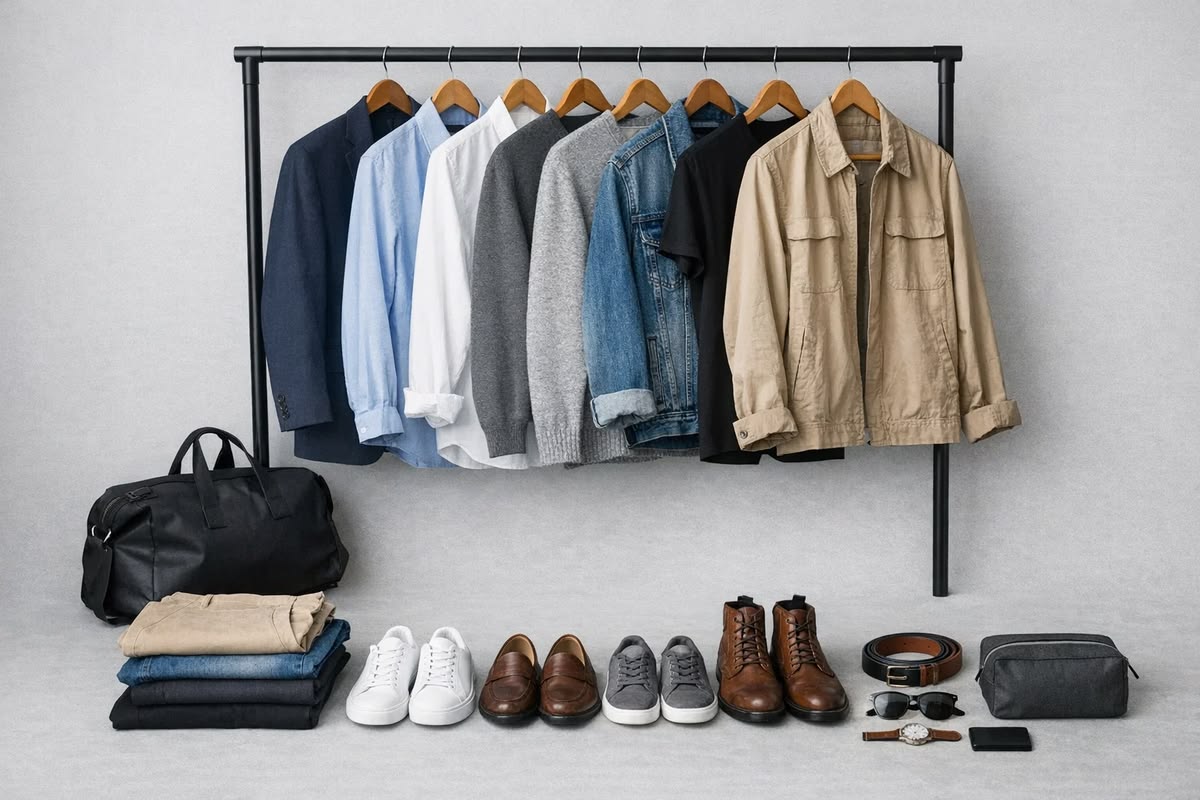
Begin by reviewing your existing wardrobe. Identify garments that fit well and can be combined with other pieces.
Then make a list of missing essentials rather than purchasing clothing without a plan.
Useful starting items may include:
- Two or three plain T-shirts.
- One or two pairs of versatile jeans.
- A pair of chinos.
- A polo shirt or casual button-up shirt.
- A lightweight jacket.
- Comfortable everyday sneakers.
- A suitable belt and watch.
Adjust this list according to your needs. If you live in a warm climate, you may need more lightweight clothing and fewer heavy layers.
Set a realistic shopping budget and compare quality, fit, and durability rather than focusing only on discounts.
Sales and secondhand stores can provide useful options, but inspect garments carefully before buying.
Avoid purchasing several items that perform the same role if your wardrobe lacks other essentials.
A coordinated collection of versatile clothing can provide more outfit combinations than a much larger wardrobe filled with unrelated pieces.
14. Maintain Your Clothes for a Polished Appearance
Clothing care is an important part of everyday style.
Even well-chosen outfits may look less polished if garments are stained, stretched, or badly wrinkled.
Follow the care labels when washing and drying clothes. Use appropriate cleaning methods for different fabrics and avoid excessive heat when it may cause damage.
Wash clothing when necessary, treat stains promptly, and repair small problems such as loose buttons.
Store shirts and jackets on suitable hangers, and fold knitwear when appropriate to help maintain its shape.
Clean your sneakers and other footwear regularly. Proper care can help keep them looking presentable for longer.
Before leaving home, take a moment to check your outfit. Make sure your clothing is comfortable, your shoes are suitable for the occasion, and your garments are in good condition.
These small habits can improve your appearance without requiring additional spending.
Common Casual Style Mistakes to Avoid
Several mistakes can make casual outfits less effective.
Wearing the wrong fit: Clothing that is too tight or excessively loose may feel uncomfortable or look unbalanced.
Ignoring footwear: Dirty or unsuitable shoes can detract from an otherwise coordinated outfit.
Combining too many colors and patterns: Too many competing details can make an outfit feel cluttered.
Buying clothing without a plan: Uncoordinated purchases can make it difficult to create complete outfits.
Following every trend: Not every popular item suits your lifestyle or personal preferences.
Neglecting garment care: Stains, wrinkles, and damaged clothing can reduce the overall appearance of an outfit.
Avoiding these mistakes makes it easier to dress well consistently.
Conclusion
Creating a stylish everyday look does not require complicated outfits or expensive clothing. A few versatile essentials, thoughtful color coordination, comfortable fits, and suitable footwear can help you build a wardrobe that works for many situations.
Classic combinations such as T-shirts with jeans, polo shirts with chinos, and casual shirts with neutral trousers are useful starting points. Lightweight jackets, sweaters, and accessories can add variety while helping you adapt to changing weather and different occasions.
The key is to understand your personal preferences, choose garments that work together, and take care of the clothing you already own.
You can also save money by shopping with a plan and focusing on pieces that offer several styling possibilities.
Ultimately, good casual style is about feeling comfortable, looking coordinated, and expressing your personality through practical clothing choices. With a little attention to detail, you can create stylish everyday outfits that remain useful throughout the year.


admin
nice page man