
Introduction
Building a timeless men’s wardrobe is one of the smartest ways to improve your personal style while saving money over time. Instead of constantly buying new clothes to follow changing fashion trends, you can focus on versatile pieces that remain stylish across different seasons and occasions.
A timeless wardrobe is built around classic designs, comfortable fits, coordinating colors, and clothing that suits your lifestyle. It allows you to create multiple outfits from a relatively small collection of garments without sacrificing variety or individuality.
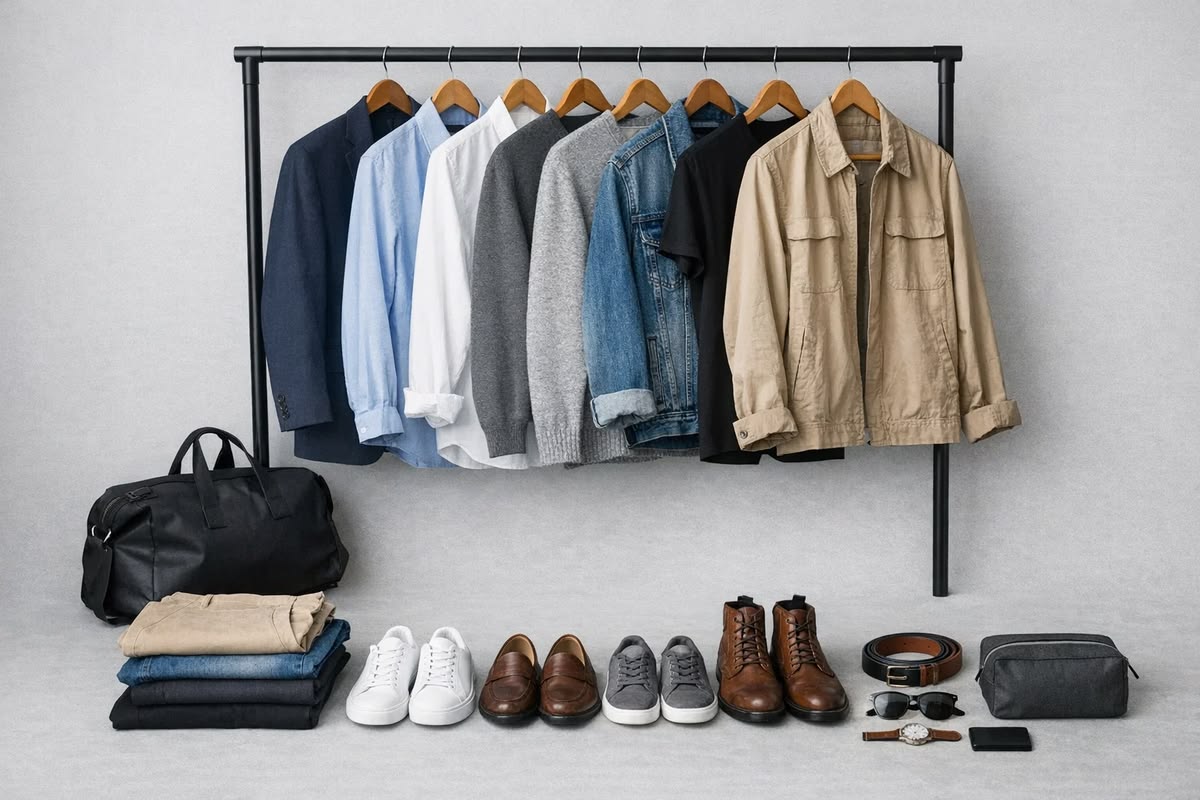
Whether you prefer casual outfits, smart-casual clothing, or formal styles, the right wardrobe essentials can make getting dressed easier. A well-chosen pair of jeans, a classic white shirt, a versatile jacket, and suitable footwear can serve as the foundation for dozens of combinations.
You do not need designer labels or a large budget to achieve this. The key is to understand what you need, choose clothing carefully, and invest in pieces that you will wear regularly.
In this guide, we will explain how to build a timeless men’s wardrobe, which essential items to consider, how to coordinate colors, and how to maintain your clothing for long-term use.
1. Understand What Makes a Wardrobe Timeless
A timeless wardrobe consists of clothing that remains useful and stylish beyond short-lived fashion trends.
These garments usually feature simple designs, practical colors, comfortable fits, and enough versatility to work in different combinations.
For example, a plain white T-shirt can be worn with jeans, chinos, shorts, or layered under a jacket. A classic navy blazer can complement tailored trousers or dark denim, depending on the occasion.
Timeless clothing does not mean wearing the same style every day. You can still experiment with contemporary trends, bold accessories, and seasonal colors. The difference is that your wardrobe has a reliable foundation that does not need to be replaced whenever fashion changes.
When choosing clothing, ask yourself three questions:
- Can I wear this item for more than one occasion?
- Does it work with several garments I already own?
- Will I still feel comfortable wearing it next year?
If the answer to these questions is yes, the item may be a useful addition to your wardrobe.
The goal is not to own the fewest clothes possible. It is to build a collection that reflects your personality and provides practical outfit options.
2. Start With Neutral Colors
Color coordination is one of the easiest ways to create a versatile wardrobe.
Neutral colors such as white, black, navy, gray, beige, and brown are useful because they can be combined in many ways.
For example, navy trousers can work with a white shirt, gray sweater, or light-blue polo shirt. Beige chinos can complement white sneakers, brown loafers, or a navy jacket.
You do not need to limit your entire wardrobe to neutral shades. Colors such as olive green, burgundy, forest green, and muted blue can add variety while remaining relatively easy to coordinate.
A practical approach is to select two or three main colors and introduce a few accent shades.
Consider your existing clothing before choosing a color palette. If you already own several navy and gray garments, adding compatible pieces may provide more outfit combinations than starting a completely different color scheme.
Patterns can also have a place in a timeless wardrobe. Stripes, subtle checks, and understated designs can add interest without making clothing difficult to combine.
The key is balance. When one garment features a bold pattern, simpler pieces can help the overall outfit look coordinated.
3. Invest in Quality Basic T-Shirts
Basic T-shirts are among the most useful items in a men’s wardrobe.
They are comfortable, easy to style, and suitable for many casual situations. They can also serve as a foundation for layered outfits.
Consider starting with a few T-shirts in white, black, gray, or navy. Choose colors that complement the trousers and jackets you already own.
When buying T-shirts, pay attention to fit, fabric, stitching, and neckline construction. The shoulder seams should sit appropriately, and the garment should allow comfortable movement.
Avoid choosing a size solely because it is described as slim, regular, or oversized. Different brands use different measurements, so trying on clothing or checking size charts can help.
Cotton and cotton-blend fabrics are common choices for everyday wear. The best material depends on your climate, preferred texture, and maintenance needs.
You do not need to buy expensive T-shirts. Affordable options can be perfectly suitable if they fit well and hold up to regular use.
Keep basic T-shirts clean and in good condition. Replace them when they become noticeably stretched, faded, or damaged.
4. Choose the Right Pair of Jeans
Jeans are a classic wardrobe essential because they can be worn in numerous casual and smart-casual combinations.
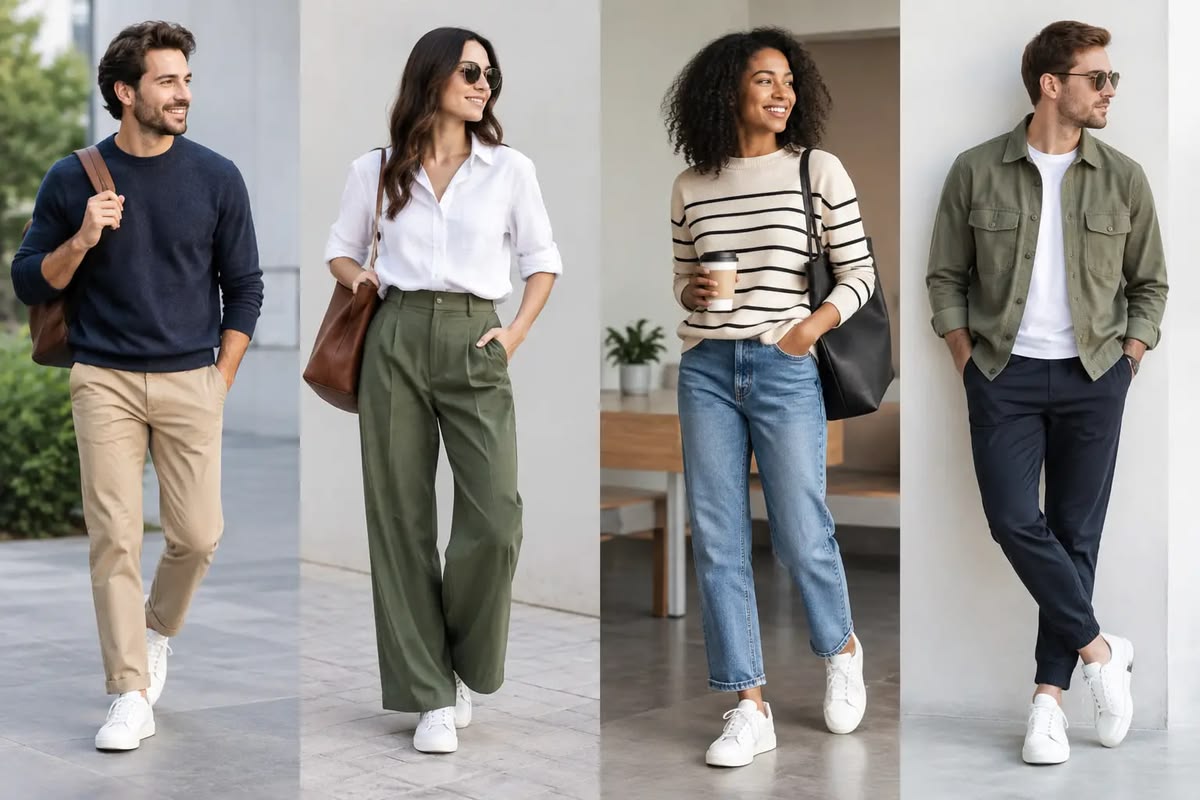
A well-fitting pair of dark blue jeans is a useful starting point. Dark denim can often be styled with a plain T-shirt and sneakers or combined with a button-up shirt and blazer for a more polished appearance.
Medium-wash jeans are another versatile option for relaxed everyday outfits.
When selecting jeans, consider the fit that works best for your body and preferences.
Straight-fit jeans offer a balanced silhouette, while slim-fit designs provide a closer shape. Relaxed-fit jeans can be comfortable for those who prefer more room through the legs.
No single fit is right for everyone. The most important factors are comfort, proportion, and suitability for the occasions in which you plan to wear them.
Pay attention to the waist, seat, leg opening, and length. Jeans should not require constant adjustment or restrict movement.
Avoid purchasing multiple pairs that serve exactly the same purpose before you have covered other wardrobe needs.
One or two versatile pairs may provide enough variety for many everyday situations, especially when combined with different shirts, sweaters, and footwear.
5. Add Classic Shirts to Your Collection
A collection of well-chosen shirts can make a men’s wardrobe more flexible.
A white or light-blue button-up shirt is particularly useful because it can be worn in professional, social, and smart-casual settings.
For casual occasions, you can wear a shirt with rolled sleeves and chinos. For a more formal environment, combine it with suitable trousers, a belt, and dress shoes.
Oxford shirts are popular for their relatively versatile appearance. Depending on their design and the dress code, they can work for casual outings, business-casual settings, and social occasions.
You may also consider subtle stripes or checks if they complement your personal style.
When choosing shirts, check the collar, shoulder seams, sleeve length, and overall fit. The shirt should look neat without pulling across the chest or feeling restrictive around the arms.
Choose fabrics that suit your climate. Lightweight cotton can be useful in warm weather, while thicker fabrics may be more practical during cooler seasons.
If your work requires formal clothing, prioritize shirts that meet your workplace expectations. If you mostly wear casual outfits, you may need fewer dress shirts and more relaxed options.
Purchase according to your actual routine rather than an idealized wardrobe.
6. Own a Versatile Pair of Chinos
Chinos provide an alternative to jeans when you want an outfit that looks slightly more polished without feeling overly formal.
They are useful for casual dinners, social gatherings, travel, and many smart-casual workplaces.
Beige, navy, olive, and gray are common versatile choices. These colors work with many shirts, T-shirts, sweaters, and jackets.
For example, beige chinos can be paired with a white T-shirt and sneakers for a relaxed look. Adding a button-up shirt and loafers creates a more refined outfit.
Navy chinos can work with light-colored shirts, gray knitwear, or a casual jacket.
As with jeans, fit is important. Choose trousers that sit comfortably at the waist and provide enough room for natural movement.
The ideal length depends on the cut and the footwear you intend to wear. Avoid excessive fabric gathering around the ankles if you prefer a cleaner silhouette.
Chinos are especially valuable if your lifestyle includes situations where jeans feel too casual but formal trousers seem unnecessary.
One well-fitting pair can provide a useful bridge between everyday and professional dressing.
7. Invest in a Classic Jacket or Blazer
Outerwear can transform an outfit and make a wardrobe suitable for different temperatures and occasions.
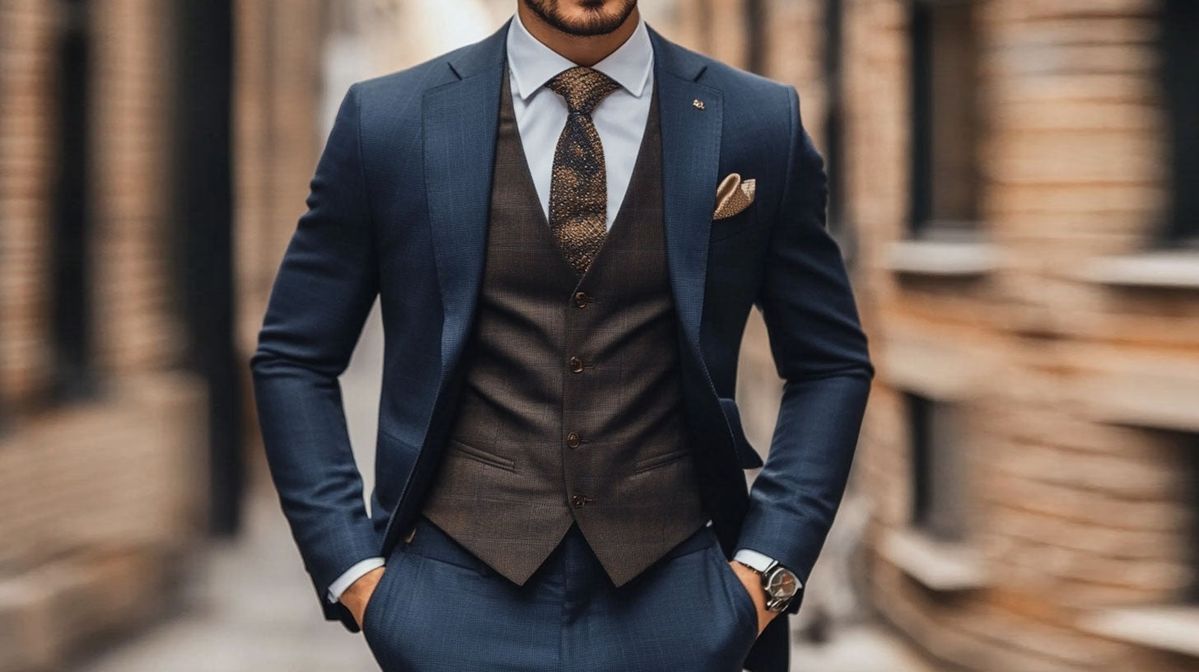
A classic blazer is a useful option for men who attend professional meetings, dinners, or social events that require smart-casual clothing.
A navy or gray blazer can work with chinos, tailored trousers, and some styles of dark denim.
For more relaxed outfits, a denim jacket, simple bomber jacket, or lightweight casual jacket may be more suitable.
The best choice depends on your lifestyle and climate. Someone living in a warm region may benefit more from lightweight layers than from heavy coats.
When choosing a blazer, pay attention to the shoulders, sleeve length, and overall shape. It should allow you to move comfortably and sit naturally.
For casual jackets, consider whether the garment works with the trousers and footwear you already own.
Avoid purchasing outerwear simply because it looks fashionable in a photograph. Choose something practical enough to wear regularly.
A versatile jacket can make existing clothing more useful, allowing you to create different looks without purchasing entirely new outfits.
8. Choose Footwear for Different Occasions
Footwear is an important part of a timeless wardrobe because shoes affect both comfort and the overall appearance of an outfit.
You do not need a large shoe collection. A few carefully selected pairs can cover many everyday and formal situations.
Clean sneakers: Useful for casual outings, everyday errands, and relaxed clothing combinations.
Loafers: A versatile choice for many smart-casual outfits, depending on the design and setting.
Formal dress shoes: Useful for business meetings, ceremonies, and occasions that require more traditional clothing.
Casual boots: Practical for cooler weather and outfits that benefit from additional structure.
The exact selection depends on your lifestyle. If you rarely attend formal events, you may not need several pairs of dress shoes.
Neutral shades can help maximize versatility. White or understated sneakers, for example, can work with jeans, chinos, and many casual outfits.
Brown or black leather footwear may complement different formal and smart-casual combinations.
Prioritize comfort, construction, and suitability for your activities. Maintain your shoes according to their materials and store them appropriately.
A smaller collection of comfortable, well-maintained shoes can be more useful than a large collection that rarely gets worn.
9. Add Sweaters and Knitwear
Sweaters and knitwear help make a wardrobe more adaptable, particularly during cooler weather or in air-conditioned environments.
A simple crew-neck sweater is a useful starting point because it can be worn with jeans, chinos, or tailored trousers.
A cardigan provides another option and can be layered over a T-shirt or shirt.
Neutral shades such as gray, navy, cream, and brown are easy to combine with other wardrobe essentials.
For a casual outfit, a sweater with dark jeans and sneakers can create a comfortable appearance. For a smart-casual combination, wear knitwear with chinos and loafers.
Choose the thickness according to your climate. Lightweight knitwear may be more practical in mild conditions, while thicker sweaters can provide warmth in colder weather.
Check the fabric label and follow care instructions carefully. Some knitwear may stretch or lose its shape if washed or stored incorrectly.
Avoid buying several similar sweaters before considering your actual needs. One lightweight option and one warmer option may be sufficient for some wardrobes.
The aim is to add useful layers without creating unnecessary clutter.
10. Understand the Importance of Fit and Tailoring
Fit is one of the most important elements of a timeless wardrobe.
Classic clothing generally looks best when it complements your proportions and allows comfortable movement.
A shirt should sit properly across the shoulders. Trousers should fit comfortably at the waist, and jackets should not pull when buttoned.
However, timeless style does not require every garment to be slim-fitting. Straight, relaxed, and oversized silhouettes can all work when they are chosen intentionally.
The relationship between garments is also important. Very loose trousers may look balanced with a structured top, while a fitted shirt may pair well with straight-leg jeans.
Small alterations can sometimes improve the usefulness of clothing you already own. Shortening trousers or adjusting sleeves may help a garment fit better.
Before paying for alterations, compare the cost with the price of another suitable item.
Never assume that a garment is unsuitable simply because it does not fit perfectly straight off the rack. Equally, avoid spending more on alterations than the item is reasonably worth.
11. Use Accessories to Complete Your Style
Accessories add personality to a timeless wardrobe without requiring many additional clothing purchases.
Useful accessories include belts, watches, sunglasses, scarves, and practical bags.
A simple watch can complement casual and professional outfits. A belt can help complete an outfit when its color and style suit the trousers and footwear.
Sunglasses may be useful outdoors, while a scarf can provide warmth and visual interest during cooler weather.
Choose accessories according to your needs and preferences. You do not need luxury watches or expensive leather goods to look polished.
A few versatile accessories in suitable colors can be used repeatedly across different outfits.
Avoid wearing too many statement pieces at once if you prefer a classic appearance. One distinctive accessory can often provide enough personality.
Accessories should also be practical. A bag should suit what you need to carry, and a watch should fit comfortably.
When chosen carefully, these small details help make simple outfits feel more complete.
12. Create Outfits That Work Across Seasons
A timeless wardrobe should adapt to changing temperatures and different activities throughout the year.
Layering is one of the most practical ways to achieve this.
In warm weather, you might wear a T-shirt with lightweight trousers and sneakers. During cooler conditions, the same combination can be adapted by adding a shirt, sweater, or jacket.
A button-up shirt can be worn alone in warmer weather and layered under knitwear when temperatures drop.
Choose fabrics according to the climate. Breathable materials may be more comfortable during hot weather, while insulating layers are useful in colder conditions.
Seasonal flexibility can also reduce spending. Rather than purchasing a completely new wardrobe every few months, you can adjust existing outfits with a few practical additions.
Store seasonal clothing carefully when it is not in use. Clean garments before storing them and choose a dry, suitable storage space.
The goal is to make your wardrobe useful throughout the year without unnecessary duplication.
13. Avoid Common Wardrobe-Building Mistakes
Building a timeless wardrobe is easier when you avoid purchases that do not serve a clear purpose.
One common mistake is buying clothing simply because it is fashionable. Trends can be enjoyable, but garments that do not suit your preferences may remain unworn.
Another mistake is purchasing too many similar items. Several nearly identical T-shirts may be less useful than adding a pair of trousers or shoes that fills a genuine gap.
Ignoring fit can also waste money. Clothing that feels uncomfortable or requires constant adjustment is less likely to become a regular part of your wardrobe.
Do not assume that expensive brands guarantee durability. Evaluate construction, material, comfort, and care requirements instead.
Avoid shopping without considering your existing clothes. A new item should ideally work with multiple garments you already own.
Finally, do not feel pressured to follow a rigid list of wardrobe essentials. Your needs may differ depending on your profession, cultural preferences, climate, and lifestyle.
A timeless wardrobe should work for you, not force you into someone else’s style.
14. How to Maintain Your Timeless Wardrobe
Maintaining clothing properly helps preserve its appearance and usefulness.
Read garment care labels and use suitable washing and drying methods. Excessive heat, unsuitable detergents, and rough handling can damage some fabrics.
Hang shirts and jackets appropriately, and fold knitwear when necessary to help prevent stretching.
Repair minor problems such as loose buttons and small stitching issues when practical.
Clean footwear regularly and follow material-specific care instructions.
It is also useful to review your wardrobe periodically. Identify clothing that no longer fits, has become damaged, or does not suit your current lifestyle.
Before discarding an item, consider whether it can be repaired, altered, donated, or reused.
Organizing your clothing makes it easier to see what you own and identify genuine gaps.
A well-maintained wardrobe can help you get more value from every purchase while making everyday dressing simpler.
Conclusion
Building a timeless men’s wardrobe is about making thoughtful choices rather than purchasing large quantities of clothing.
Start with versatile basics such as T-shirts, jeans, button-up shirts, chinos, and suitable footwear. Add layers, knitwear, and a classic jacket according to your lifestyle and climate.
Choose colors that coordinate easily, prioritize comfortable fit, and invest carefully in garments you expect to wear regularly. Accessories can add personality, while proper maintenance helps your clothing remain presentable for longer.
Most importantly, build your wardrobe around your own preferences and daily needs. You can incorporate modern trends whenever they appeal to you, but you do not need to replace your entire style every season.
A timeless wardrobe provides flexibility, reduces unnecessary spending, and makes it easier to create outfits for casual activities, professional settings, and special occasions.
With a practical plan and consistent attention to fit and quality, you can develop a personal style that remains useful and attractive for years to come.


Leave a Reply